

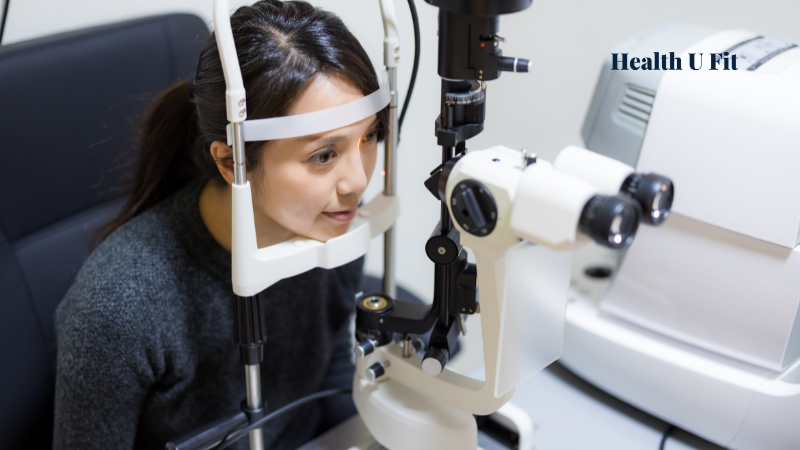
Viridian Therapeutics shares dropped 34% on Monday, hitting an eight-month low after its experimental treatment for thyroid eye disease showed weaker efficacy compared to competing therapies in a late-stage trial, despite successfully achieving its primary goal of reducing eye bulging.
The 36% and 45% improvements in eye bulging versus placebo fell short of the 50%-plus investors expected, and the double-vision data were harder to read, Jefferies analyst Faisal Khurshid said.
There could be “fierce investor debate on commercial feasibility” of the drug, elegrobart, he said, despite the data reducing risk for Viridian since it now has two potential thyroid eye disease drugs.
Read Also – Eli Lilly expands its partnership with Insilico Medicine to advance AI-powered drug discovery
Viridian Therapeutics shares were last down 32% at $18.66 after having risen more than 62% earlier this year through Friday’s close.
The study evaluated its drug elegrobart in 132 patients, who received either a four-week or eight-week dosing regimen, or a placebo.
Thyroid Eye Disease (TED) is an autoimmune disorder that causes inflammation, swelling, and fat buildup behind the eyes, often leading to symptoms such as eye bulging, pain, redness, and double vision.
At 24 weeks, 54% of patients in the four-week dosing group showed improvement in eye bulging, compared to 18% in the placebo group. Double vision improved in 71% of patients receiving the more frequent treatment, versus 32% on placebo.
The eight-week dosing regimen also outperformed placebo, with 63% of patients experiencing reduced eye bulging and 54% reporting improvement in double vision, compared to 18% and 32% in the placebo group, respectively.
Oppenheimer analyst Leland Gershell noted that the less frequent dosing showed a stronger overall profile, although he described the treatment’s overall efficacy as “underwhelming.”
Viridian Therapeutics plans to submit a U.S. marketing application in the first quarter of 2027. CEO Steve Mahoney stated that a home-administered IGF-1R therapy could help expand the thyroid eye disease market and support the company in gaining market share. He also added that the company has “a lot of optionality” when it comes to pricing across both dosing schedules.

