

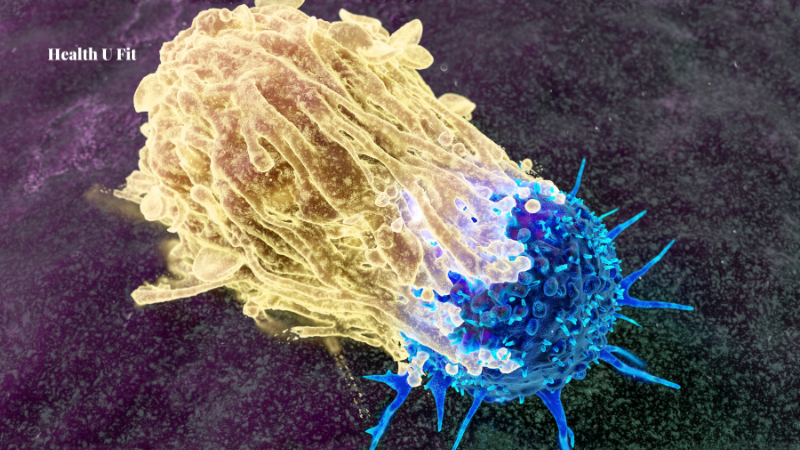
Leukemia is a type of cancer that affects the blood and bone marrow, the soft tissue inside bones where blood cells are produced. It occurs when the body begins producing abnormal white blood cells that do not function properly and interfere with the production of healthy blood cells. These abnormal cells multiply rapidly, crowding out normal red blood cells, platelets, and healthy white blood cells which can lead to serious health complications if left untreated. Leukemia can affect people of all ages, including children and adults and its severity can range from slow-growing forms that develop over time to aggressive types that require immediate medical attention.
As one of the most common blood cancers worldwide, leukemia remains a major focus of medical research and treatment development. Advances in early diagnosis, targeted therapies and personalized medicine have significantly improved survival rates in recent years. Understanding the disease, recognizing its warning signs and seeking timely treatment remain essential for better outcomes.
Table of Contents
Leukemia
Leukemia is a cancer of the blood-forming tissues, primarily affecting the bone marrow and lymphatic system. The disease begins when mutations occur in the DNA of developing blood cells, usually white blood cells, causing them to grow uncontrollably. Unlike healthy blood cells, leukemia cells do not mature properly and fail to perform their normal immune functions.
These abnormal cells accumulate in the bloodstream and bone marrow, reducing the body’s ability to fight infections, transport oxygen and control bleeding. Over time, leukemia can spread to other parts of the body, including the lymph nodes, liver, spleen and central nervous system.
Leukemia is generally classified based on how quickly it progresses and which type of blood cell it affects. Acute leukemia develops rapidly and requires immediate treatment while chronic leukemia tends to progress more slowly and may not cause symptoms in its early stages.
Types of Leukemia
There are several different types of leukemia each with unique characteristics, treatment approaches and prognoses.
Acute Lymphoblastic Leukemia (ALL)
Acute lymphoblastic leukemia is a fast-growing cancer that affects immature lymphocytes, a type of white blood cell. It is the most common type of leukemia in children, although adults can also develop it. Symptoms often appear suddenly and may worsen quickly without treatment.
Acute Myeloid Leukemia (AML)
Acute myeloid leukemia affects myeloid cells which normally develop into red blood cells, platelets and certain white blood cells. AML progresses rapidly and is more common in adults, particularly older individuals.
Chronic Lymphocytic Leukemia (CLL)
Chronic lymphocytic leukemia develops slowly and primarily affects older adults. It targets mature lymphocytes and may not cause noticeable symptoms for many years. Some patients are diagnosed during routine blood tests before symptoms appear.
Chronic Myeloid Leukemia (CML)
Chronic myeloid leukemia is a slower-growing leukemia caused by a genetic mutation known as the Philadelphia chromosome. It affects myeloid cells and often progresses through different phases from chronic to more aggressive stages if left untreated.
Rare Forms of Leukemia
Other uncommon forms include hairy cell leukemia, juvenile myelomonocytic leukemia and T-cell leukemia. Though rare, these types may require specialized treatment approaches depending on the patient’s condition.
Causes and Risk Factors of Leukemia
The exact cause of leukemia is not always clear, but researchers believe it develops through a combination of genetic mutations and environmental factors.
Genetic Mutations
Changes in DNA can disrupt normal blood cell production, leading to uncontrolled growth of abnormal cells. Some inherited genetic conditions may increase leukemia risk.
Exposure to Radiation
High levels of radiation exposure, such as from previous cancer treatments or nuclear accidents, have been linked to an increased risk of developing leukemia.
Chemical Exposure
Long-term exposure to harmful chemicals such as benzene, commonly found in industrial environments, may contribute to leukemia development.
Smoking
Smoking increases the risk of certain types of leukemia, particularly acute myeloid leukemia, due to exposure to cancer-causing chemicals.
Family History
Although most leukemia cases are not inherited, having a close relative with leukemia may slightly increase an individual’s risk.
Weakened Immune System
People with weakened immune systems, including those with autoimmune diseases or organ transplants, may be more vulnerable to certain blood cancers.
Common Symptoms of Leukemia
Leukemia symptoms can vary depending on the type and stage of the disease, but several common warning signs should not be ignored.
Persistent Fatigue and Weakness
A shortage of healthy red blood cells can cause anemia, leading to ongoing tiredness, weakness, and reduced energy levels.
Frequent Infections
Because abnormal white blood cells cannot effectively fight infections, leukemia patients may experience frequent or severe illnesses.
Easy Bruising and Bleeding
Low platelet counts can lead to unusual bruising, nosebleeds, bleeding gums, or prolonged bleeding from minor cuts.
Fever and Night Sweats
Unexplained fevers and excessive night sweats are common symptoms, particularly in acute leukemia.
Bone and Joint Pain
Leukemia cells can build up in the bone marrow, causing pain or tenderness in bones and joints.
Swollen Lymph Nodes and Enlarged Organs
Some patients develop swollen lymph nodes, an enlarged spleen or liver discomfort due to cancer cell accumulation.
Unexplained Weight Loss
Sudden, unintended weight loss may occur as the body uses more energy to fight the disease.
How Leukemia Is Diagnosed
Early diagnosis plays a critical role in successful treatment. Doctors use several tests to confirm leukemia and determine its type.
Blood Tests
A complete blood count (CBC) can reveal abnormal levels of white blood cells, red blood cells and platelets.
Bone Marrow Biopsy
A small sample of bone marrow is removed and examined under a microscope to detect leukemia cells.
Genetic and Molecular Testing
Advanced laboratory tests can identify specific genetic mutations that help guide targeted treatment options.
Imaging Tests
Scans such as CT scans or MRI may be used to determine whether leukemia has spread to other organs.
Treatment Options for Leukemia
Treatment depends on the leukemia type, stage, patient age, and overall health.
Chemotherapy
Chemotherapy uses powerful drugs to destroy cancer cells and remains one of the most common leukemia treatments.
Radiation Therapy
Radiation may be used to target specific areas affected by leukemia or prepare patients for stem cell transplantation.
Targeted Therapy
Targeted drugs attack specific molecules involved in leukemia cell growth, often causing fewer side effects than traditional chemotherapy.
Immunotherapy
Immunotherapy helps the body’s immune system recognize and destroy leukemia cells more effectively.
Stem Cell Transplant
A stem cell transplant replaces damaged bone marrow with healthy blood-forming cells after intensive treatment.
Clinical Trials
Many patients participate in clinical trials testing new therapies and advanced treatment strategies.
Living With Leukemia
A leukemia diagnosis can be physically and emotionally challenging, but many patients live fulfilling lives during and after treatment. Support from healthcare teams, family members, counselors, and support groups can improve quality of life.
Maintaining a healthy diet, staying physically active when possible, managing stress, and attending regular follow-up appointments are important parts of long-term care. Survivorship plans often include monitoring for recurrence and managing treatment-related side effects.
Advances in Leukemia Research
Medical research continues to improve leukemia outcomes. Scientists are developing personalized medicine approaches based on genetic testing, more effective immunotherapies, and advanced stem cell transplantation techniques.
Treatments such as CAR T-cell therapy have shown promising results for certain leukemia patients by engineering immune cells to specifically attack cancer cells. Continued innovation offers hope for better survival rates and fewer complications in the future.
Conclusion
Leukemia is a serious but increasingly treatable form of blood cancer that affects thousands of people around the world each year. Early detection, accurate diagnosis, and access to advanced treatment options have greatly improved patient outcomes. Understanding the symptoms, risk factors, and available therapies can help individuals seek medical attention promptly and make informed healthcare decisions. While a leukemia diagnosis can feel overwhelming, ongoing advancements in medical science continue to provide new hope for patients and families. With proper treatment, support, and continued research, many individuals diagnosed with leukemia can achieve remission and enjoy a better quality of life.

