

Coronavirus became one of the most discussed and life-changing topics in modern history after the outbreak of COVID-19 in late 2019. The virus rapidly spread across the globe, affecting millions of people and transforming healthcare systems, economies, education, travel and daily life. Although coronaviruses have existed for many years, the COVID-19 pandemic introduced the world to a new level of public health emergency that required international cooperation and scientific innovation on an unprecedented scale.
The pandemic not only caused severe illness and death but also changed the way people work, communicate, study and interact socially. Governments imposed lockdowns, hospitals faced overwhelming pressure and scientists worked tirelessly to develop vaccines and treatments. Even years after the peak of the pandemic its impact continues to shape societies worldwide.
Table of Contents
Coronavirus
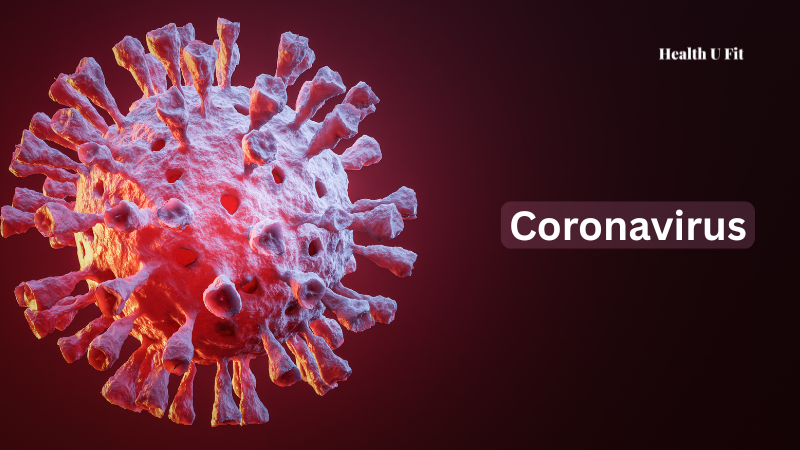
Coronavirus refers to a large family of viruses that can infect both animals and humans. These viruses are named “corona” because of the crown-like spikes visible on their surface under a microscope. While some coronaviruses cause mild illnesses similar to the common cold others can lead to severe respiratory diseases.
Before COVID-19 two major coronavirus outbreaks had already occurred:
- Severe Acute Respiratory Syndrome (SARS) in 2002
- Middle East Respiratory Syndrome (MERS) in 2012
COVID-19 was caused by a new coronavirus known as SARS-CoV-2. The first cases were reported in Wuhan, China, in late 2019. Within months, the virus spread internationally, leading the World Health Organization (WHO) to declare a global pandemic in March 2020.
Coronaviruses mainly affect the respiratory system, but severe cases can damage other organs such as the heart, kidneys and brain. The virus spreads quickly because infected individuals may transmit it even before showing symptoms.
The rapid spread of COVID-19 highlighted how interconnected the modern world has become. International travel, crowded urban populations and global trade contributed to the virus reaching nearly every country within a short period.
Symptoms and Transmission of Coronavirus
COVID-19 symptoms vary from person to person. Some individuals experience only mild symptoms while others develop serious complications requiring hospitalization.
Common Symptoms
The most frequently reported symptoms include:
- Fever
- Dry cough
- Fatigue
- Sore throat
- Headache
- Body aches
- Loss of taste or smell
- Shortness of breath
Some patients also experience digestive issues such as nausea, vomiting, or diarrhea. In severe cases, the infection can lead to pneumonia, breathing difficulties, organ failure, and death.
Older adults and people with underlying medical conditions such as diabetes, heart disease, obesity or weakened immune systems are at higher risk of severe illness.
How Coronavirus Spreads
Coronavirus primarily spreads through respiratory droplets released when an infected person coughs, sneezes, talks or breathes. The virus can also spread through tiny airborne particles in poorly ventilated indoor spaces.
Transmission commonly occurs through:
- Close physical contact
- Crowded environments
- Touching contaminated surfaces
- Sharing enclosed spaces for long periods
Because many infected individuals show mild or no symptoms, controlling the spread became extremely challenging during the pandemic.
Variants of the Virus
As the virus spread, it mutated into several variants. Some variants were more contagious or resistant to immunity than earlier versions. Major variants included Alpha, Delta and Omicron.
The Delta variant caused severe outbreaks in many countries due to its high transmissibility while Omicron spread rapidly but often caused comparatively milder illness in vaccinated individuals.
Scientists continue monitoring new variants to understand how they may affect public health and vaccine effectiveness.
Prevention, Vaccines and Treatment
Preventing coronavirus infection became a major global priority during the pandemic. Public health authorities introduced several safety measures to reduce transmission.
Preventive Measures
Key prevention methods include:
Wearing Masks
Face masks helped reduce the spread of respiratory droplets especially in crowded or indoor settings.
Hand Hygiene
Frequent handwashing with soap and water or using alcohol-based sanitizers helped eliminate germs from hands.
Social Distancing
Maintaining physical distance from others reduced the risk of infection.
Ventilation
Improving airflow in indoor spaces helped lower airborne transmission.
Isolation and Quarantine
People infected with the virus or exposed to infected individuals were advised to isolate themselves to prevent further spread.
Development of Vaccines
One of the greatest scientific achievements during the pandemic was the rapid development of COVID-19 vaccines. Researchers and pharmaceutical companies worked together to create vaccines in record time.
Major vaccines included:
- Pfizer-BioNTech
- Moderna
- AstraZeneca
- Johnson & Johnson
- Covaxin
- Sputnik V
Vaccines significantly reduced severe illness, hospitalization and death rates. Mass vaccination campaigns were launched worldwide, helping countries gradually reopen their economies and public spaces.
Booster doses were later introduced to strengthen immunity and improve protection against new variants.
Treatment Options
Treatment for COVID-19 depended on the severity of the illness.
Mild cases were usually managed with:
- Rest
- Hydration
- Fever-reducing medicines
- Home isolation
Severe cases often required:
- Oxygen therapy
- Antiviral medications
- Steroids
- Intensive care support
- Ventilators
Medical professionals also improved treatment strategies over time as they gained a better understanding of the disease.
Global Impact of the Coronavirus Pandemic
The coronavirus pandemic affected nearly every aspect of human life. Its consequences extended far beyond healthcare.
Impact on Healthcare Systems
Hospitals around the world faced enormous pressure due to the sudden rise in patients. Healthcare workers worked long hours under dangerous conditions often with limited resources during the early stages of the pandemic.
Many countries struggled with shortages of:
- Hospital beds
- Oxygen supplies
- Ventilators
- Protective equipment
- Medical staff
The pandemic highlighted weaknesses in healthcare infrastructure and emphasized the importance of preparedness.
Economic Consequences
The global economy experienced major disruptions due to lockdowns and travel restrictions. Businesses closed temporarily or permanently and millions of people lost their jobs.
Industries heavily affected included:
- Tourism
- Aviation
- Hospitality
- Entertainment
- Retail
At the same time, some sectors such as e-commerce, digital technology, and online services experienced rapid growth.
Governments introduced financial support programs to help businesses and citizens cope with economic challenges.
Education and Remote Learning
Schools and universities closed in many countries to limit the spread of the virus. This forced students and teachers to shift to online learning platforms.
Although remote education allowed learning to continue, it also exposed issues such as:
- Lack of internet access
- Digital inequality
- Reduced social interaction
- Mental stress among students
The education sector continues adapting to new teaching methods influenced by the pandemic experience.
Mental Health Effects
The pandemic had a major impact on mental health worldwide. Fear of infection, isolation, job losses and uncertainty caused increased levels of anxiety, depression, and stress.
Healthcare workers, students, elderly individuals and people living alone were particularly vulnerable to emotional and psychological difficulties during lockdown periods.
Mental health awareness became an important topic as societies recognized the emotional toll of the crisis.
Social and Cultural Changes
Coronavirus changed daily habits and social behavior in many ways. Remote work became common, virtual meetings replaced many in-person interactions and digital communication tools became essential.
People also became more aware of hygiene practices and public health measures. Many workplaces adopted flexible work arrangements that continue even after restrictions were lifted.
Lessons Learned and the Future After COVID-19
The coronavirus pandemic taught the world several important lessons about preparedness, science, cooperation, and resilience.
Importance of Public Health Preparedness
Many countries realized the need for stronger healthcare systems, emergency planning, and pandemic preparedness. Governments are now investing more in medical infrastructure, disease surveillance, and research capabilities.
Preparedness for future outbreaks includes:
- Early detection systems
- Stockpiling medical supplies
- Rapid vaccine development
- Public health education
- Role of Science and Innovation
Scientific research played a crucial role in fighting the pandemic. Researchers developed vaccines, treatments and testing technologies at remarkable speed.
Technology also helped societies function during lockdowns through:
- Remote work platforms
- Online education
- Telemedicine
- Digital payments
- Contact tracing apps
The pandemic accelerated digital transformation across many industries.
Global Cooperation
COVID-19 demonstrated that infectious diseases do not respect borders. International collaboration between governments, scientists, healthcare organizations and pharmaceutical companies became essential in controlling the crisis.
Organizations such as the World Health Organization coordinated efforts to share information, distribute vaccines and provide guidance to countries worldwide.
Addressing Inequality
The pandemic exposed social and economic inequalities in healthcare access, employment, education, and living conditions. Vulnerable populations often suffered the greatest impact.
Future efforts must focus on creating more equitable healthcare systems and improving access to essential services for all communities.
Building Resilience for the Future
Despite the hardships caused by the pandemic, communities around the world showed resilience and adaptability. Families, healthcare workers, educators, and businesses found innovative ways to overcome challenges.
The experience encouraged societies to value health, human connection, and preparedness more deeply than before.
Conclusion
Coronavirus became one of the defining global events of the 21st century. The COVID-19 pandemic affected millions of lives and reshaped societies in ways that will continue for generations. From healthcare and education to business and technology, nearly every sector experienced significant transformation. Although the pandemic caused immense suffering, it also demonstrated the power of science, cooperation and human resilience. Vaccines, medical advancements and public health efforts helped the world gradually recover from one of the most challenging crises in recent history. Understanding coronavirus is important not only for learning about the past but also for preparing for future public health emergencies. The lessons learned from COVID-19 can help societies build stronger healthcare systems, improve global collaboration and create a safer and more resilient future for everyone.

