

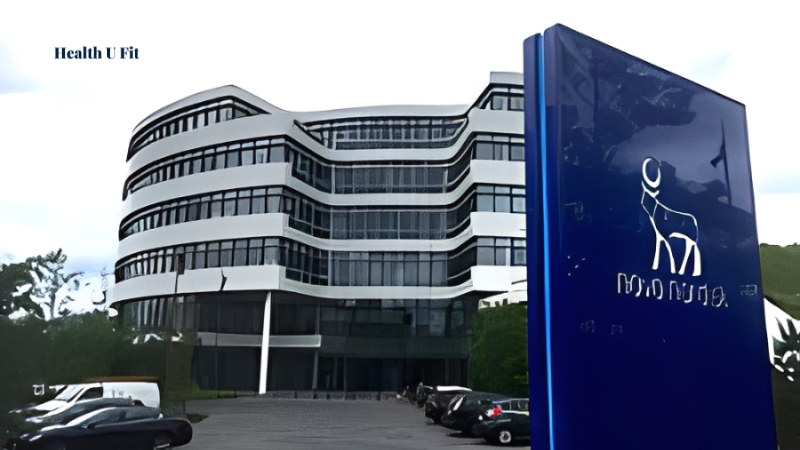
Danish pharmaceutical company Novo Nordisk, which has lost ground to Eli Lilly in the highly profitable weight-loss drug market, announced on Tuesday that it is partnering with OpenAI to integrate artificial intelligence across its operations, including drug discovery, manufacturing, and commercial activities.
The company, known for its blockbuster drugs Wegovy and Ozempic, said the collaboration will use OpenAI’s technology to analyze large and complex datasets, identify potential drug candidates, and enhance efficiency across manufacturing processes, supply chains, distribution networks, and overall business operations.
Read Also – South Korea bans stockpiling of medical needles and syringes to prevent supply shortages
Drugmakers are increasingly turning to artificial intelligence to simplify time-consuming parts of drug development, such as identifying clinical trial participants, selecting trial sites, and preparing regulatory documents. However, industry leaders note that AI has not yet fully achieved the more complex goal of discovering entirely new drug molecules.
Novo Nordisk is looking for new strategies to strengthen its position in the competitive obesity drug market, where it faces strong competition from Indianapolis-based Eli Lilly. Recently, Eli Lilly received U.S. approval for its weight-loss pill Foundayo, shortly after Novo introduced its own oral Wegovy in January. Analysts predict that global revenue from weight-loss treatments could surpass $100 billion annually within the next decade.
Novo did not reveal the financial details of the agreement. The company said that pilot programs will be launched across research and development, manufacturing, and commercial operations, with complete integration expected by the end of 2026.
It also stated that OpenAI will assist in training its global workforce to improve AI skills, enhance digital literacy, and increase productivity across various departments.
TRAINING, NOT REPLACING
“The aim here is not replacing our scientists. It’s about supercharging them,” CEO Mike Doustdar said in an interview.
Doustdar said the partnership was not intended to cut Novo’s current workforce, but to lift productivity and curb the pace of future hiring.
He said AI would help employees work faster and more effectively, reducing the need to grow headcount as much as in the past. Shortly after taking over as CEO last year, Doustdar announced a restructuring that cut 9,000 jobs.
“AI is reshaping industries and in life sciences, it can help people live better, longer lives,” OpenAI CEO Sam Altman said in a statement. “This collaboration with Novo Nordisk will help them accelerate scientific discovery, run smarter global operations, and redefine the future of patient care.”
Novo said the partnership included strict data protection, governance and human oversight, and built on its existing AI initiatives with other technology partners and research organisations.

