

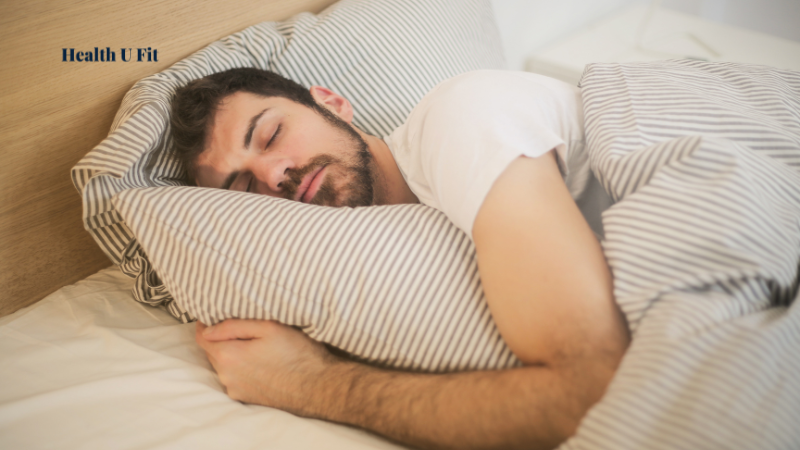
Sleep is one of the most important parts of overall health and well-being. Yet in today’s fast-moving world, many people sacrifice sleep because of work schedules, social media, stress, entertainment or busy lifestyles. While it may seem harmless to lose a few hours of sleep occasionally, poor sleep habits over time can affect physical health, mental performance, mood, productivity and even long-term quality of life.
This growing awareness has led to increasing interest in sleep optimization the process of improving both the quality and quantity of sleep to support better health and daily functioning. Sleep optimization is not simply about spending more hours in bed. It involves creating healthy habits, improving the sleeping environment, understanding the body’s natural sleep cycle, and making lifestyle choices that support deeper and more restorative rest.
Table of Contents
Sleep Optimization
Sleep optimization refers to improving sleep habits and conditions to achieve better rest and recovery. The goal is to help the body and mind function at their best by ensuring consistent, high-quality sleep.
Optimizing sleep includes several factors, such as:
- Maintaining a consistent sleep schedule
- Improving bedroom comfort
- Reducing sleep interruptions
- Managing stress and anxiety
- Limiting screen exposure before bedtime
- Supporting healthy daily routines
Good sleep is not only about how long a person sleeps but also about how restorative the sleep is. Someone who sleeps eight hours but wakes up frequently during the night may still feel tired and unfocused during the day.
Sleep optimization focuses on creating conditions that allow the body to move naturally through healthy sleep cycles including deep sleep and rapid eye movement (REM) sleep which are essential for recovery, memory, and brain function.
Why Sleep Is Important for Overall Health
Sleep plays a major role in almost every function of the body. During sleep, the body repairs tissues, balances hormones, strengthens the immune system, processes memories and restores mental energy.
When sleep is consistently poor, many areas of health can suffer.
Physical Health Benefits
High-quality sleep supports:
- Heart health
- Immune system function
- Muscle recovery
- Hormone regulation
- Healthy metabolism
- Weight management
People who regularly get enough sleep often experience better energy levels, improved physical performance, and stronger resistance to illness.
Mental and Emotional Benefits
Sleep also has a strong impact on mental well-being. Good sleep can improve:
- Focus and concentration
- Memory retention
- Decision-making abilities
- Emotional balance
- Stress management
Lack of sleep may increase irritability, anxiety, mood swings and mental fatigue. Over time, chronic sleep deprivation may also increase the risk of depression and burnout.
Cognitive Performance
Sleep is essential for brain performance. During sleep, the brain processes information, organizes memories, and clears waste products that build up during waking hours.
Students, professionals, athletes, and creative workers all benefit from optimized sleep because it supports learning, reaction time, creativity, and productivity.
Understanding the Sleep Cycle
To understand sleep optimization, it is important to know how the sleep cycle works.
Sleep occurs in several stages that repeat throughout the night. These stages include:
Light Sleep
This is the transition stage between wakefulness and deeper sleep. The body begins to relax, breathing slows, and heart rate decreases.
Deep Sleep
Deep sleep is the most physically restorative stage. During this phase:
- Muscles repair and grow
- Immune function strengthens
- Energy stores recover
- Tissue healing occurs
Deep sleep is especially important for physical recovery and overall health.
REM Sleep
Rapid Eye Movement (REM) sleep is strongly connected to dreaming, memory processing, emotional regulation, and brain development.
The brain becomes highly active during REM sleep, helping improve learning and cognitive performance.
A healthy sleep cycle includes several rounds of these stages each night. Interruptions or poor sleep habits can reduce time spent in deep and REM sleep, limiting the body’s ability to recover properly.
Common Causes of Poor Sleep
Many factors can interfere with healthy sleep patterns. Understanding these causes is an important step in sleep optimization.
Stress and Anxiety
Mental stress is one of the most common causes of sleep problems. Worrying about work, finances, relationships, or personal issues can make it difficult to relax before bedtime.
Stress may lead to:
- Difficulty falling asleep
- Frequent waking during the night
- Racing thoughts
- Poor sleep quality
- Excessive Screen Time
Smartphones, tablets, computers, and televisions emit blue light, which can interfere with melatonin production. Melatonin is the hormone that helps regulate sleep.
Using screens late at night may confuse the body’s natural sleep rhythm and delay sleep onset.
Irregular Sleep Schedules
Sleeping at different times each night can disrupt the body’s internal clock, also known as the circadian rhythm.
Shift work, late-night activities, and inconsistent bedtime routines often contribute to sleep difficulties.
Caffeine and Stimulants
Caffeine found in coffee, tea, energy drinks, and soft drinks can remain in the body for several hours. Consuming caffeine late in the day may reduce sleep quality.
Poor Sleep Environment
An uncomfortable sleeping environment may also affect rest. Common problems include:
- Excessive noise
- Bright lighting
- Uncomfortable mattresses
- High room temperatures
- Poor ventilation
Creating a calm and comfortable environment is essential for optimized sleep.
Practical Strategies for Sleep Optimization
Improving sleep often requires small but consistent lifestyle adjustments. Several proven strategies can help improve sleep quality naturally.
- Maintain a Consistent Sleep Schedule
Going to bed and waking up at the same time every day helps regulate the body’s internal clock.
Consistency improves the natural sleep-wake cycle and makes it easier to fall asleep and wake up feeling refreshed.
Even on weekends, maintaining a regular schedule can support better sleep patterns.
- Create a Relaxing Bedtime Routine
A calming bedtime routine helps signal the body that it is time to rest.
Relaxing activities before bed may include:
Reading a book
Gentle stretching
Meditation
Deep breathing exercises
Listening to calming music
Avoiding stressful conversations or stimulating activities before sleep can also improve relaxation.
- Limit Screen Exposure Before Bed
Reducing screen use at least one hour before bedtime may help improve melatonin production and support natural sleep rhythms.
Some people also use blue-light filters or night mode settings on devices to reduce light exposure in the evening.
- Improve the Sleep Environment
The bedroom should support comfort and relaxation.
Helpful improvements may include:
Keeping the room dark
Reducing noise levels
Using comfortable bedding
Maintaining a cool room temperature
Blocking outside light with curtains
A quiet and comfortable environment can significantly improve sleep quality.
- Watch Food and Drink Intake
Heavy meals, caffeine, alcohol, and sugary foods close to bedtime may interfere with sleep.
Experts often recommend:
- Avoiding caffeine late in the day
- Eating lighter evening meals
- Staying hydrated without excessive fluids before bed
Healthy eating habits can support better rest.
Role of Exercise in Sleep Optimization
Regular physical activity is closely connected to improved sleep quality.
Exercise may help:
- Reduce stress
- Improve mood
- Regulate energy levels
- Promote deeper sleep
People who exercise regularly often fall asleep faster and experience more restorative rest.
However, intense workouts very late at night may temporarily increase alertness for some individuals. Moderate exercise earlier in the day is often most beneficial for sleep.
Technology and Sleep Tracking
Modern technology has introduced new ways to monitor and improve sleep patterns.
Sleep-tracking devices and apps may measure:
- Sleep duration
- Heart rate
- Movement during sleep
- Sleep stages
- Breathing patterns
Smartwatches, fitness bands, and sleep-monitoring apps can help individuals better understand their sleep habits.
Some people use white noise machines, meditation apps, or smart lighting systems to create more relaxing sleep environments.
While sleep technology can be helpful, experts generally recommend avoiding obsessive tracking, as excessive focus on sleep data may sometimes increase anxiety.
Connection Between Sleep and Mental Health
Sleep and mental health are deeply connected. Poor sleep may worsen stress, anxiety, and emotional instability, while mental health challenges can also make sleep more difficult.
Optimized sleep may support:
- Emotional resilience
- Better mood stability
- Improved stress management
- Reduced anxiety symptoms
For many individuals, improving sleep habits can positively affect mental well-being and daily emotional balance.
Sleep Optimization for Different Age Groups
Sleep needs may vary depending on age and lifestyle.
Children and Teenagers
Young people require more sleep because of growth, brain development, and learning demands.
Adults
Most adults need approximately seven to nine hours of quality sleep each night.
Older Adults
Older adults may experience lighter sleep patterns and more nighttime awakenings, making sleep optimization increasingly important.
Regardless of age, healthy sleep habits remain essential for physical and mental health.
Long-Term Benefits of Optimized Sleep
Consistently good sleep may provide long-term benefits in many areas of life.
People who prioritize sleep often experience:
- Better productivity
- Improved concentration
- Stronger immune health
- Better physical recovery
- Improved athletic performance
- Greater emotional stability
- Reduced risk of chronic health conditions
Optimized sleep can improve both quality of life and overall well-being.
Common Myths About Sleep
There are many misconceptions about sleep that may prevent people from developing healthy habits.
“You Can Catch Up on Sleep Later”
While extra sleep may help temporarily, chronic sleep deprivation cannot always be fully reversed with weekend sleep.
“Older Adults Need Less Sleep”
Older adults may sleep differently, but they still require sufficient rest for good health.
“Alcohol Helps You Sleep Better”
Alcohol may make people feel sleepy initially, but it often reduces sleep quality and increases nighttime awakenings.
Understanding these myths can help people make better sleep decisions.
Conclusion
Sleep optimization is an important part of maintaining physical health, mental well-being, and daily performance. In today’s busy world, many people underestimate the importance of quality sleep, often sacrificing rest in favor of work, entertainment, or social activities. However, poor sleep habits can negatively affect nearly every area of life. By improving sleep schedules, creating relaxing bedtime routines, reducing stress, limiting screen exposure, and maintaining healthy lifestyle habits, individuals can significantly improve the quality of their rest. Sleep optimization is not about perfection it is about building consistent habits that support the body’s natural recovery processes. Even small changes can make a meaningful difference in energy levels, focus, mood, and long-term health. As awareness of sleep health continues to grow, more people are recognizing that quality sleep is not a luxury but a necessity. Prioritizing sleep can lead to better productivity, stronger health, improved emotional balance, and a higher overall quality of life.

