

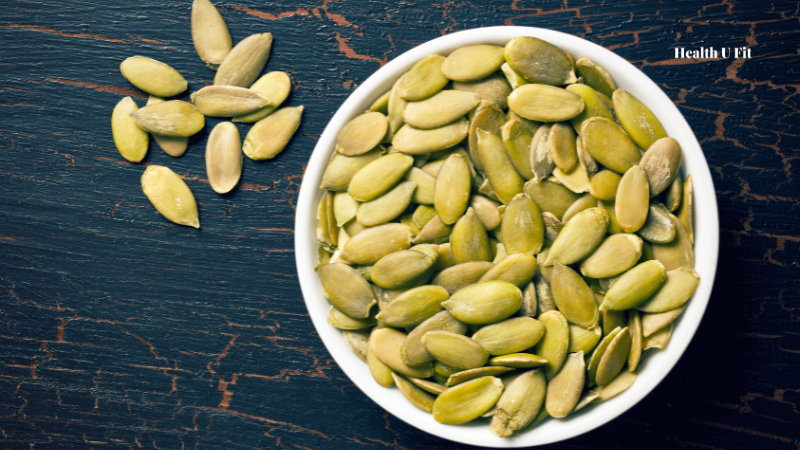
Pumpkin Seeds are small, flat seeds that come from pumpkins and are widely known for their rich nutritional value. They are often eaten roasted as a healthy snack, but they can also be added to salads, smoothies, soups, cereals, and baked foods. Even though pumpkin seeds are small in size, they contain many important nutrients such as protein, fiber, healthy fats, vitamins, antioxidants, magnesium, zinc and iron. Because of these nutrients, pumpkin seeds are considered one of the healthiest natural foods that people can include in their daily diet.
Pumpkin seeds have become popular among health-conscious people because they provide several health benefits while being easy to eat and affordable. Many nutrition experts recommend pumpkin seeds as part of a balanced diet because they support overall health in many ways. From improving heart health to helping with sleep and immunity, pumpkin seeds offer a wide range of advantages for the body.
Table of Contents
Rich Source of Important Nutrients
One of the biggest benefits of pumpkin seeds is their high nutritional content. They are packed with protein, healthy fats, fiber and essential minerals that the body needs to function properly. Pumpkin seeds are especially rich in magnesium, which helps support muscle function, nerve health, and energy production. They also contain zinc, iron, potassium and phosphorus, all of which play important roles in maintaining good health.
Pumpkin seeds are also a good source of antioxidants that help protect the body from damage caused by harmful free radicals. These antioxidants may help reduce inflammation and support overall wellness. Because they are nutrient-dense, pumpkin seeds can help people feel full for longer periods making them a healthy option for snacks between meals.
Supports Heart Health
Pumpkin seeds may help improve heart health because they contain healthy fats, magnesium and antioxidants. Healthy fats, especially unsaturated fats are important for maintaining balanced cholesterol levels in the body. Magnesium helps support normal blood pressure and proper heart function, while antioxidants help reduce inflammation that may affect the cardiovascular system.
Eating pumpkin seeds regularly as part of a healthy diet may help lower the risk of heart-related problems. The fiber content in pumpkin seeds may also support heart health by helping reduce bad cholesterol levels. Since heart disease is a major health concern worldwide including healthy foods like pumpkin seeds in the diet can be beneficial for long-term wellness.
Helps Improve Sleep Quality
Pumpkin seeds are often linked to better sleep because they naturally contain magnesium and tryptophan. Magnesium helps relax the muscles and nervous system, while tryptophan is an amino acid that the body uses to produce serotonin and melatonin which are connected to sleep and mood regulation.
Many people eat a small amount of pumpkin seeds in the evening as a healthy bedtime snack. Although pumpkin seeds alone may not cure sleep problems they can support relaxation and contribute to better sleep quality when combined with a healthy lifestyle and proper sleep habits.
Boosts Immune System
The zinc found in pumpkin seeds plays an important role in supporting the immune system. Zinc helps the body fight infections, heal wounds and maintain healthy immune function. A lack of zinc can weaken the immune system and make people more likely to get sick.
Pumpkin seeds also contain antioxidants and vitamins that help protect the body from illness and support overall health. During seasonal weather changes or times when immunity is important adding pumpkin seeds to the diet may help the body stay stronger and healthier.
Good for Bone Health
Pumpkin seeds are rich in minerals such as magnesium, phosphorus, and zinc, which are important for maintaining strong bones. Magnesium, in particular, helps the body absorb calcium properly and supports bone strength. People who do not get enough magnesium may have a higher risk of weak bones over time.
As people age, bone health becomes more important especially for older adults. Eating foods rich in bone-supporting nutrients like pumpkin seeds can help maintain healthy bones and support long-term mobility and strength.
Supports Healthy Digestion
The fiber content in pumpkin seeds may help improve digestion and support gut health. Fiber helps food move properly through the digestive system and may reduce problems like constipation. A healthy digestive system is important for nutrient absorption and overall body function.
Eating pumpkin seeds in moderation as part of a balanced diet can help support regular digestion. Drinking enough water along with fiber-rich foods is also important for maintaining digestive health.
May Help Manage Blood Sugar Levels
Some studies suggest that pumpkin seeds may help support healthy blood sugar levels because of their magnesium and fiber content. Magnesium plays a role in insulin function and glucose control while fiber helps slow down digestion and may prevent sudden spikes in blood sugar.
Although pumpkin seeds should not replace medical treatment, they may be a healthy snack option for people trying to maintain balanced blood sugar levels as part of a healthy diet and lifestyle.
Supports Weight Management
Pumpkin seeds can also support weight management because they are rich in protein and fiber both of which help people feel full for longer periods. Feeling satisfied after eating may reduce unnecessary snacking and overeating throughout the day.
Even though pumpkin seeds are nutritious they should still be eaten in moderation because they contain calories. A small serving can provide energy and important nutrients without adding excessive unhealthy ingredients often found in processed snacks.
Easy to Add to Daily Meals
Another benefit of pumpkin seeds is their versatility. They are easy to include in many meals and snacks. People can eat them roasted, salted, or raw depending on their preference. Pumpkin seeds can be sprinkled on salads, yogurt, oatmeal, soups, smoothies, or baked foods for extra nutrition and crunch. Because they are convenient and easy to store, pumpkin seeds are a simple way to improve the nutritional value of everyday meals without requiring major dietary changes.
Conclusion
Pumpkin seeds are a highly nutritious food that offers many health benefits. They are rich in protein, healthy fats, fiber, antioxidants, and important minerals such as magnesium and zinc. Regularly eating pumpkin seeds may help support heart health, improve sleep, strengthen immunity, support digestion, and promote healthy bones. Their convenience, affordability and versatility make them an excellent addition to a balanced diet. Whether eaten as a snack or added to meals, pumpkin seeds provide a simple and natural way to support overall health and wellness.

