

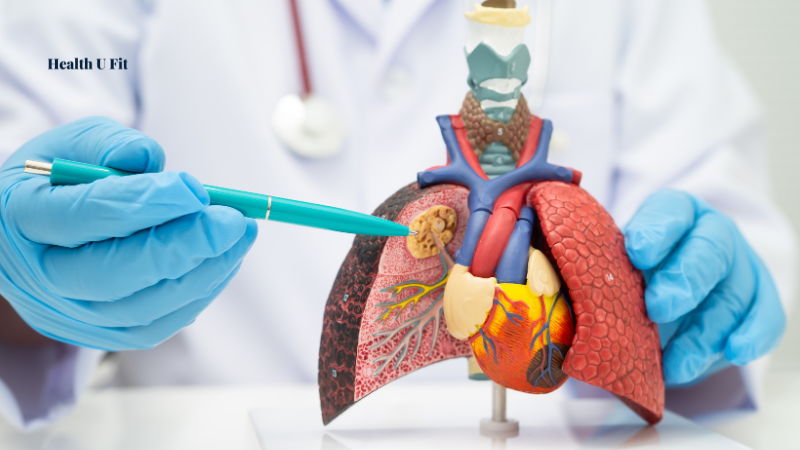
Pneumonia is a serious respiratory infection that affects the lungs, causing inflammation in the air sacs (alveoli) which may fill with fluid or pus, leading to symptoms such as coughing, fever, chills, chest pain and difficulty breathing. It can be caused by bacteria, viruses or fungi with bacterial pneumonia being one of the most common and potentially severe forms. The condition can range from mild to life-threatening, depending on the type of infection, the age of the patient and their overall health. Infants, older adults and individuals with weakened immune systems or chronic illnesses are particularly vulnerable to complications.
Pneumonia can develop on its own or as a complication of other illnesses like influenza or COVID-19. It spreads through airborne droplets or close contact with infected individuals making good hygiene and vaccination important preventive measures. Early diagnosis through physical examination, chest X-rays, and laboratory tests is crucial for effective treatment which may include antibiotics, antiviral medications or supportive care such as oxygen therapy.
Table of Contents
What is Pneumonia
Pneumonia is an infection that inflames the lung tissue. It can be caused by bacteria, viruses, fungi, or, less commonly, parasites. When the lungs are infected, the alveoli fill with fluid or pus instead of air, leading to coughing, fever, chills, and breathing difficulties.
The severity of pneumonia varies widely. Some people recover in a few weeks with treatment, while others especially infants, older adults, and people with weakened immune systems may develop severe complications requiring hospitalization.
Types of Pneumonia
Pneumonia is classified based on the cause of infection and where it is acquired.
1. Bacterial Pneumonia
This is the most common and often the most serious form. It is frequently caused by Streptococcus pneumoniae. It can occur on its own or after a cold or flu.
2. Viral Pneumonia
Caused by viruses such as influenza, respiratory syncytial virus (RSV), or coronaviruses. Viral pneumonia is usually milder but can become severe in vulnerable individuals.
3. Fungal Pneumonia
This type is less common and usually affects people with weakened immune systems. It is caused by fungi found in soil or bird droppings.
4. Aspiration Pneumonia
Occurs when food, drink, vomit, or saliva is inhaled into the lungs instead of being swallowed properly.
5. Hospital-Acquired Pneumonia
Develops during a hospital stay for another illness. It can be more serious because it may involve antibiotic-resistant bacteria.
6. Community-Acquired Pneumonia
This occurs outside healthcare settings and is the most common type in general populations.
Causes and Risk Factors
Pneumonia is caused by infection, but certain factors increase the risk of developing it:
- Age (infants and older adults are more vulnerable)
- Weakened immune system (HIV/AIDS, cancer treatment, organ transplant)
- Chronic illnesses (asthma, COPD, diabetes, heart disease)
- Smoking or alcohol abuse
- Recent cold, flu, or respiratory infection
- Hospitalization or use of breathing machines
Symptoms of Pneumonia
Symptoms can range from mild to severe and may develop suddenly or gradually.
Common symptoms include:
- Cough, which may produce mucus or phlegm
- Fever, sweating, and chills
- Shortness of breath
- Chest pain, especially when breathing or coughing
- Fatigue and weakness
- Loss of appetite
- Nausea or vomiting (in some cases)
In older adults, symptoms may be less obvious and can include confusion or a sudden change in mental state.
How Pneumonia Spreads
Pneumonia itself is not always contagious, but the germs that cause it can spread from person to person. This usually happens through:
- Airborne droplets from coughing or sneezing
- Close contact with infected individuals
- Touching contaminated surfaces and then touching the mouth or nose
Good hygiene practices can significantly reduce the risk of infection.
Diagnosis of Pneumonia
Doctors diagnose pneumonia using a combination of physical examination and tests:
- Chest X-ray: Confirms infection in the lungs
- Blood tests: Detect infection and inflammation
- Sputum test: Identifies the organism causing infection
- Pulse oximetry: Measures oxygen levels in the blood
- CT scan: Used in complex or severe cases
Early diagnosis is important to prevent complications.
Treatment of Pneumonia
Treatment depends on the type and severity of pneumonia.
1. Antibiotics
Used for bacterial pneumonia. It is important to complete the full course even if symptoms improve.
2. Antiviral Medications
Used in some cases of viral pneumonia, especially influenza-related infections.
3. Antifungal Medications
Used for fungal pneumonia.
4. Supportive Care
Includes:
- Rest and hydration
- Fever reducers and pain relievers
- Oxygen therapy in severe cases
- Hospitalization if necessary
Recovery time varies. Mild cases may improve in 1–3 weeks, while severe cases may take longer.
Complications of Pneumonia
If left untreated or in severe cases, pneumonia can lead to:
- Respiratory failure
- Blood infections (sepsis)
- Lung abscess
- Pleural effusion (fluid around lungs)
- Long-term breathing problems
Prompt treatment greatly reduces the risk of complications.
Prevention of Pneumonia
Pneumonia can often be prevented with simple measures:
Vaccination
- Pneumococcal vaccines
- Influenza (flu) vaccine
- COVID-19 vaccines (where applicable)
Hygiene Practices
- Regular handwashing
- Covering mouth and nose when coughing or sneezing
- Avoiding close contact with sick individuals
Healthy Lifestyle
- Quit smoking
- Maintain a balanced diet
- Exercise regularly
- Manage chronic conditions properly
Pneumonia in Children and Elderly
Children and older adults are at higher risk of severe pneumonia.
In Children:
- Symptoms may include rapid breathing, fever, and difficulty feeding
- Early medical attention is essential
In Elderly:
- Symptoms may be subtle (confusion, weakness, low appetite)
- Higher risk of hospitalization and complications
Conclusion
Pneumonia is a serious but treatable lung infection that affects millions of people worldwide each year. While it can range from mild to life-threatening, early diagnosis and proper treatment significantly improve outcomes. Understanding its causes, symptoms, and prevention methods is key to reducing risk. Vaccination, good hygiene, and a healthy lifestyle remain the most effective ways to protect against pneumonia. With timely medical care and awareness, most people recover fully and return to normal life.

