

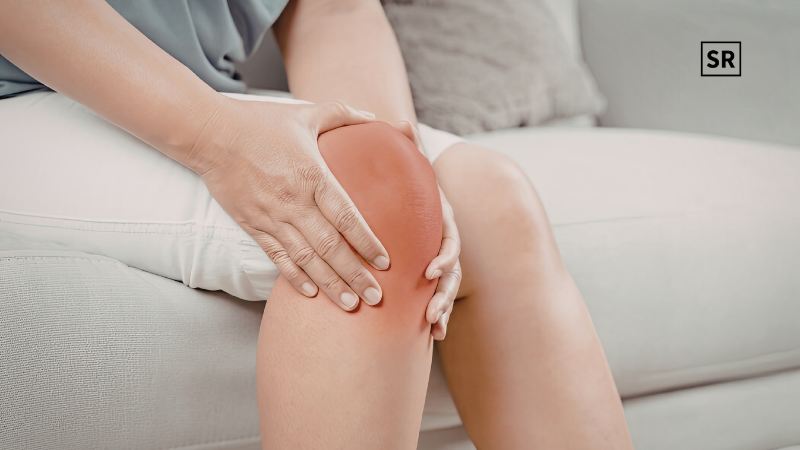
Osteoarthritis is one of the most common joint disorders affecting people worldwide. It is often described as a “wear-and-tear” condition because it develops when the protective cartilage at the ends of bones gradually breaks down over time. This cartilage normally allows joints to move smoothly and absorb shock during daily activities. When it deteriorates, bones begin to rub against each other, leading to pain, stiffness, and reduced mobility. Osteoarthritis most frequently affects joints such as the knees, hips, hands, and spine, but it can occur in any joint. Although it is more common in older adults, it can also affect younger individuals due to injuries or lifestyle factors.
Table of Contents
Understanding Joint Structure and Function
To understand osteoarthritis, it is important to know how a healthy joint works. Joints are formed where two bones meet, and they are surrounded by a capsule filled with synovial fluid, which lubricates movement. The ends of bones are covered with cartilage, a smooth and flexible tissue that reduces friction. Ligaments and muscles provide stability and support. In osteoarthritis, this delicate balance is disrupted. The cartilage becomes thin and rough, the joint space narrows, and the underlying bone may become thicker or form small bony growths called osteophytes. These changes lead to pain and restricted movement.
Causes and Risk Factors
Osteoarthritis does not have a single cause but develops due to a combination of factors. Age is the most significant risk factor, as cartilage naturally weakens over time. Obesity also plays a major role because excess body weight puts additional stress on weight-bearing joints like the knees and hips. Previous joint injuries, such as fractures or ligament tears, can increase the risk of developing osteoarthritis later in life. Genetics may also influence susceptibility, meaning the condition can run in families. Repetitive movements or physically demanding occupations can contribute to joint wear, while poor posture and lack of physical activity may further increase the risk.
Common Symptoms of Osteoarthritis
The symptoms of osteoarthritis usually develop slowly and worsen over time. One of the most common symptoms is joint pain, especially during or after movement. Stiffness is another key symptom, often noticeable after waking up or after sitting for a long time. People may also experience reduced flexibility, making it difficult to move the joint through its full range of motion. Some individuals notice a grating sensation or hear clicking sounds when using the joint. Swelling and tenderness may occur, and in advanced cases, joints may appear enlarged or deformed. These symptoms can significantly affect daily activities such as walking, climbing stairs, or holding objects.
Diagnosis of Osteoarthritis
Diagnosing osteoarthritis typically involves a detailed medical history and physical examination. A doctor will assess joint pain, stiffness, and range of motion. Imaging tests such as X-rays are commonly used to confirm the diagnosis, as they can show cartilage loss, bone changes, and narrowing of joint space. In some cases, magnetic resonance imaging (MRI) may be recommended for a more detailed view of soft tissues. Blood tests are not usually required for osteoarthritis but may be done to rule out other types of arthritis or conditions with similar symptoms.
Treatment Options
Although osteoarthritis cannot be cured, many treatments can help manage symptoms and improve quality of life. Treatment usually begins with lifestyle changes. Maintaining a healthy weight is essential, as it reduces stress on joints and slows disease progression. Regular exercise helps strengthen muscles, improve flexibility, and reduce pain. Low-impact activities such as walking, swimming, and cycling are particularly beneficial.
Medications are often used to control pain and inflammation. Over-the-counter pain relievers like Paracetamol are commonly recommended, while nonsteroidal anti-inflammatory drugs (NSAIDs) such as Ibuprofen can help reduce inflammation. Topical creams and gels applied directly to the affected joint may also provide relief. In more severe cases, doctors may recommend corticosteroid injections or other prescription medications.
Role of Physical Therapy
Physical therapy plays an important role in managing osteoarthritis. A trained therapist can design a personalized exercise program to strengthen the muscles around the joint, improve flexibility, and enhance balance. These exercises help reduce strain on the joints and improve overall function. Assistive devices such as braces, orthotic shoe inserts, or walking aids can also support joints and make daily activities easier.
Surgical Options
When conservative treatments do not provide adequate relief, surgery may be considered. Common surgical procedures include joint repair, joint fusion, or joint replacement. Joint replacement surgery, especially for the knee or hip, is one of the most effective treatments for advanced osteoarthritis. During this procedure, the damaged joint is replaced with an artificial one, which can significantly reduce pain and restore mobility. Recovery from surgery requires rehabilitation and physical therapy to regain strength and function.
Lifestyle Changes and Self-Care
Living with osteoarthritis requires adopting healthy lifestyle habits. Regular physical activity, maintaining a balanced diet, and avoiding joint strain are essential. Applying heat or cold packs can help reduce pain and stiffness. Using proper posture and ergonomic tools can prevent unnecessary stress on joints. Taking breaks during repetitive tasks and practicing relaxation techniques can also improve overall well-being.
Prevention Strategies
While osteoarthritis cannot always be prevented, certain steps can reduce the risk. Maintaining a healthy weight is one of the most effective ways to protect joints. Engaging in regular exercise helps keep joints flexible and muscles strong. Avoiding injuries by using proper techniques during physical activities is also important. Early treatment of joint problems can prevent further damage and slow disease progression.
Emotional and Social Impact
Osteoarthritis can affect not only physical health but also emotional well-being. Chronic pain and limited mobility may lead to frustration, anxiety, or depression. Staying socially active, seeking support from family and friends, and participating in support groups can help individuals cope with these challenges. Mental health care, including stress management and relaxation techniques, is equally important in managing the condition.
Advances in Research
Recent research on osteoarthritis is focused on finding better treatments and understanding the disease process. Scientists are exploring new therapies, including regenerative medicine techniques aimed at repairing damaged cartilage. Advances in medical technology and drug development may lead to more effective treatments in the future. Early detection and personalized treatment approaches are also areas of ongoing study.
Conclusion
Osteoarthritis is a common and often challenging condition, but it can be managed effectively with the right approach. Understanding its causes, recognizing symptoms early, and following a comprehensive treatment plan can significantly improve quality of life. Although there is no cure, lifestyle changes, medications, and medical care can help individuals remain active and independent. With ongoing research and increased awareness, there is hope for better treatments and improved outcomes for people living with osteoarthritis.

