

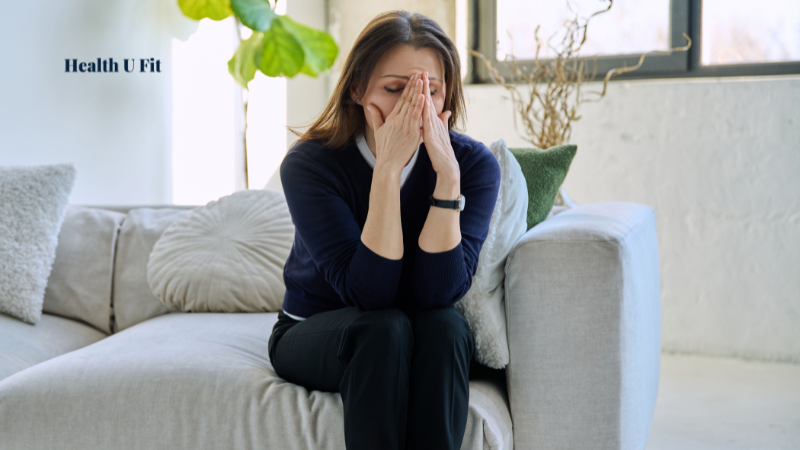
Menopause is a natural stage in a woman’s life that marks the end of her menstrual cycles and reproductive ability. It usually occurs between the ages of 45 and 55 and is confirmed when a woman has not had a period for 12 consecutive months. This transition happens because the ovaries gradually reduce the production of important hormones like estrogen and progesterone which regulate menstruation and fertility. As these hormone levels decline, women may experience a range of physical and emotional changes such as hot flashes, night sweats, mood swings, sleep disturbances and changes in energy levels. While menopause is a normal part of aging and not a medical illness, its symptoms can vary from mild to severe depending on the individual. With proper awareness, healthy lifestyle habits and medical support when needed, women can manage menopause effectively and continue to lead a healthy and active life.
Table of Contents
Menopause
Menopause is a natural biological process that marks the end of a woman’s menstrual cycles and reproductive years. It is officially diagnosed when a woman has gone 12 consecutive months without having a menstrual period, usually occurring between the ages of 45 and 55. This phase happens because the ovaries gradually produce lower levels of hormones such as estrogen and progesterone which are responsible for regulating the menstrual cycle and fertility. As these hormone levels decline, the body undergoes various physical and emotional changes including irregular periods, hot flashes, mood swings, sleep disturbances and reduced energy levels. Menopause is not a disease but a normal stage of aging, although its symptoms can vary widely from one woman to another. Some may experience mild changes, while others may face more noticeable discomfort. Understanding menopause is important because it helps women prepare for this transition and manage its effects through healthy lifestyle choices, medical support if needed and emotional well-being.
What Causes Menopause?
Menopause happens due to a natural decline in reproductive hormones, mainly estrogen and progesterone, produced by the ovaries. As women age, the ovaries gradually produce fewer hormones, leading to irregular menstrual cycles and eventually stopping completely. This hormonal shift affects various systems in the body which is why women may experience multiple symptoms during this time.
In some cases, menopause can occur earlier due to medical reasons such as surgery (removal of ovaries), chemotherapy or certain health conditions. This is known as premature or induced menopause and may require special medical attention.
Stages of Menopause
Menopause does not happen suddenly; it is a gradual process that occurs in three main stages:
- Perimenopause
Perimenopause is the transition period leading up to menopause. It can begin several years before menopause and is characterized by irregular periods, hormonal fluctuations and early symptoms such as hot flashes and mood swings. During this stage, fertility decreases but pregnancy is still possible.
- Menopause
Menopause is confirmed when a woman has not had a menstrual period for 12 consecutive months. At this stage, the ovaries have significantly reduced hormone production and symptoms may become more noticeable.
- Postmenopause
Postmenopause refers to the years after menopause. While some symptoms may ease over time, others may continue. Women in this stage may face increased risks of certain health conditions such as osteoporosis and heart disease due to lower estrogen levels.
Common Symptoms of Menopause
Menopause affects women differently but some common symptoms include:
- Hot Flashes: Sudden feelings of heat, often accompanied by sweating and redness.
- Night Sweats: Excessive sweating during sleep that can disrupt rest.
- Irregular Periods: Changes in the frequency and flow of menstrual cycles.
- Mood Changes: Anxiety, irritability or depression due to hormonal shifts.
- Sleep Problems: Difficulty falling or staying asleep.
- Vaginal Dryness: Reduced lubrication causing discomfort.
- Reduced Libido: Decrease in sexual desire.
- Weight Gain: Slower metabolism leading to weight changes.
These symptoms can vary in intensity and duration with some women experiencing mild discomfort and others facing more significant challenges.
Emotional and Psychological Impact
Menopause is not only a physical transition but also an emotional one. Hormonal changes can affect mood and mental health, leading to feelings of stress, anxiety or sadness. Some women may also struggle with the idea of aging or changes in their identity.
It is important to recognize these emotional changes and seek support when needed. Talking to friends, family or healthcare professionals can help women cope better during this phase.
Health Risks Associated with Menopause
After menopause, the body undergoes changes that may increase the risk of certain health conditions:
- Osteoporosis – Lower estrogen levels can lead to decreased bone density, making bones more fragile and increasing the risk of fractures.
- Heart Disease – Estrogen helps protect the heart, so its decline can increase the risk of cardiovascular issues.
- Urinary Problems – Changes in the urinary system may lead to increased frequency or risk of infections.
- Weight and Metabolic Changes – Slower metabolism can contribute to weight gain and related health issues such as diabetes.
Regular health check-ups and a healthy lifestyle can help manage these risks effectively.
Managing Menopause Symptoms
While menopause is a natural process, there are several ways to manage its symptoms and maintain a good quality of life:
Lifestyle Changes
- Eat a balanced diet rich in calcium and vitamin D
- Exercise regularly to maintain fitness and bone health
- Get enough sleep and practice relaxation techniques
- Avoid triggers like spicy food, caffeine and alcohol
Medical Treatments
- Hormone Replacement Therapy (HRT): Helps balance hormone levels and
reduce symptoms - Medications: For managing specific symptoms like mood swings or sleep problems
- Topical Treatments: For vaginal dryness and discomfort
It is important to consult a healthcare provider before starting any treatment.
Importance of Diet and Nutrition
A healthy diet plays a crucial role during menopause. Foods rich in nutrients can help manage symptoms and support overall health. Key dietary tips include:
- Increase calcium intake to support bone health
- Include protein-rich foods to maintain muscle strength
- Eat fruits and vegetables for essential vitamins and antioxidants
- Stay hydrated to reduce fatigue and dryness
Avoiding processed foods and excessive sugar can also help maintain energy levels and prevent weight gain.
Exercise and Physical Activity
Regular physical activity is essential during menopause. Exercise helps in managing weight, improving mood and strengthening bones. Some recommended activities include:
- Walking or jogging for cardiovascular health
- Strength training for muscle and bone strength
- Yoga or meditation for stress relief
- Stretching exercises for flexibility
Even moderate activity can have a positive impact on overall well-being.
Coping with Menopause
Coping with menopause requires a combination of physical care and emotional support. Staying informed about the changes happening in the body can reduce fear and confusion. Building a support system, whether through family, friends or support groups, can also make a significant difference.
Maintaining a positive outlook and focusing on self-care can help women navigate this phase with confidence and strength.
Conclusion
Menopause is an important life transition that brings both challenges and opportunities for growth. While it involves physical and emotional changes, understanding the process can help women manage it effectively. With the right combination of lifestyle changes, medical support and emotional care, women can maintain their health and well-being during this stage. Rather than viewing menopause as an end, it can be seen as a new beginning a time to focus on self-care, personal growth, and overall wellness.

