

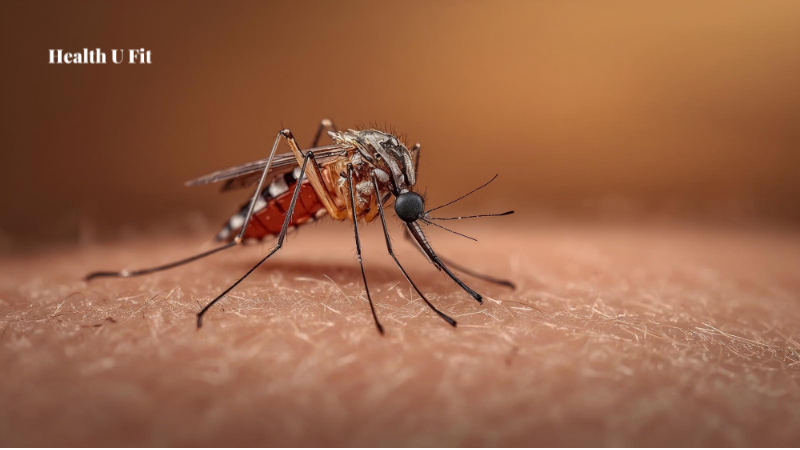
Leishmaniasis is a vector-borne infectious disease caused by Leishmania parasites and transmitted to humans through the bite of infected female sandflies. It is most commonly found in tropical and subtropical regions, affecting millions of people especially in areas with poor sanitation and limited healthcare access. The disease appears in different forms including cutaneous leishmaniasis which causes skin sores; mucocutaneous leishmaniasis which affects the nose, mouth, and throat; and visceral leishmaniasis (also known as kala-azar), the most severe type that targets internal organs such as the liver, spleen and bone marrow.
Symptoms vary depending on the form but may include ulcers on the skin, prolonged fever, weight loss, anemia and enlargement of organs. If left untreated, especially in the visceral form, it can be life-threatening. The spread of leishmaniasis is influenced by environmental factors like climate change, urbanization and deforestation, which create favorable conditions for sandflies. Although treatments are available, early diagnosis is crucial for effective recovery. Preventive measures such as using insect repellents, bed nets and improving living conditions play a vital role in reducing transmission making awareness and public health efforts essential in controlling the disease.
Table of Contents
Leishmaniasis
Leishmaniasis is a vector-borne disease, meaning it spreads through an insect in this case, the sandfly. When an infected sandfly bites a human it injects the parasite into the bloodstream. Once inside the body, the parasite infects immune cells and multiplies leading to various forms of the disease. The severity of the infection depends on the type of parasite and the individual’s immune response.
There are three main types of leishmaniasis:
- Cutaneous leishmaniasis – the most common form, causing skin sores
- Mucocutaneous leishmaniasis – affecting the nose, mouth and throat
- Visceral leishmaniasis – the most severe form, affecting internal organs like the liver and spleen
Causes and Transmission
The primary cause of leishmaniasis is infection by Leishmania parasites which are transmitted by the bite of infected female sandflies. These sandflies are tiny insects that thrive in warm climates and are most active from dusk to dawn. The transmission cycle typically involves animals such as dogs, rodents or other mammals that act as reservoirs of the parasite.
When a sandfly bites an infected animal it becomes a carrier and can then transmit the parasite to humans. In some regions, human-to-human transmission can occur through blood transfusions or shared needles, though this is less common. Environmental factors such as poor sanitation, deforestation, urbanization and climate change can increase the risk of transmission by creating favorable breeding conditions for sandflies.
Symptoms of Leishmaniasis
The symptoms of leishmaniasis vary depending on the type of infection:
1. Cutaneous Leishmaniasis
This form usually begins with a small bump at the site of the sandfly bite. The bump develops into an open sore or ulcer. These sores are typically painless but can become infected and leave permanent scars. Some individuals may develop multiple lesions on different parts of the body.
2. Mucocutaneous Leishmaniasis
This form may start as cutaneous leishmaniasis but later spreads to mucous membranes. It can cause severe damage to the nose, mouth, and throat, leading to disfigurement if not treated promptly.
3. Visceral Leishmaniasis (Kala-azar)
This is the most dangerous form of the disease. It affects internal organs such as the liver, spleen and bone marrow. Symptoms include:
- Prolonged fever
- Weight loss
- Enlargement of the spleen and liver
- Anemia
- Weakness and fatigue
If left untreated, visceral leishmaniasis can be fatal.
Diagnosis
Diagnosing leishmaniasis can be challenging because its symptoms often resemble those of other diseases. Doctors usually rely on a combination of clinical evaluation and laboratory tests. For cutaneous leishmaniasis, a sample from the skin lesion may be examined under a microscope to detect the parasite. In cases of visceral leishmaniasis, blood tests, bone marrow samples or spleen aspirates may be used to confirm the diagnosis. Rapid diagnostic tests are also available in some regions making it easier to detect the disease early.
Treatment Options
Leishmaniasis is treatable, especially when diagnosed early. The choice of treatment depends on the type and severity of the disease as well as the patient’s overall health.
Common treatments include:
- Antimonial drugs (such as sodium stibogluconate)
- Amphotericin B
- Miltefosine (an oral medication)
- Paromomycin
Treatment duration can vary from a few weeks to several months. In severe cases, hospitalization may be required. It is important to complete the full course of treatment to prevent relapse or drug resistance.
Prevention and Control
Preventing leishmaniasis primarily involves reducing exposure to sandflies and controlling their population. Some effective prevention strategies include:
- Using insect repellents on exposed skin
- Sleeping under insecticide-treated bed nets
- Wearing long-sleeved clothing especially at night
- Installing screens on windows and doors
- Improving sanitation and waste management
In areas where the disease is common, controlling animal reservoirs (such as infected dogs) can also help reduce transmission.
There is no widely available vaccine for leishmaniasis making prevention efforts even more important.
Global Impact
Leishmaniasis affects millions of people across more than 90 countries. It is classified as a neglected tropical disease, meaning it receives less attention and funding compared to other major illnesses. According to global health estimates, hundreds of thousands of new cases occur each year.
Visceral leishmaniasis alone causes thousands of deaths annually, particularly in countries like India, Bangladesh, Sudan and Brazil.
The disease disproportionately affects poor and vulnerable populations, highlighting the need for better healthcare access, education and disease control programs.
Challenges and Future Outlook
Despite progress in treatment and prevention, several challenges continue to hinder the control of leishmaniasis:
- Limited awareness among affected populations
- Lack of access to healthcare in remote areas
- Drug resistance in some regions
- Absence of an effective vaccine
- Environmental changes that increase sandfly populations
Research is ongoing to develop better diagnostic tools, safer medications and potential vaccines. Advances in technology and global collaboration offer hope for improved control and eventual elimination of the disease.
Conclusion
Leishmaniasis is a complex and potentially life-threatening disease that continues to impact millions of people worldwide. Caused by parasites and transmitted by sandflies, it presents in different forms ranging from skin ulcers to severe organ damage. While effective treatments are available, early diagnosis and prevention remain key to reducing its burden. Efforts to control leishmaniasis must focus on improving living conditions, increasing awareness, strengthening healthcare systems and investing in research. With continued global attention and coordinated action, it is possible to significantly reduce the impact of this neglected disease and move closer to its elimination.

