

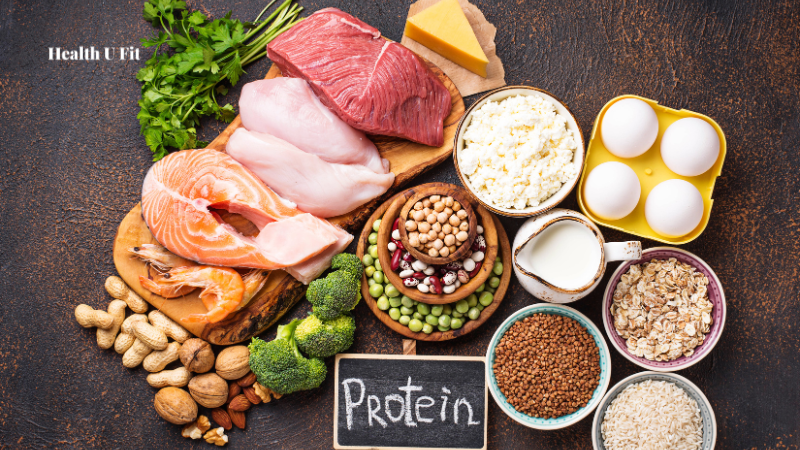
Protein has become one of the most talked-about nutrients in modern health and fitness conversations. From athletes and bodybuilders to busy professionals and older adults, more people are paying attention to how much protein they consume each day. However, an important question often gets overlooked: is your body actually absorbing and using protein properly?
Many people assume that simply eating high-protein foods automatically guarantees muscle growth, better recovery, increased strength, or improved health. In reality, protein absorption and utilization depend on several biological factors, and your body only begins to optimize protein synthesis once it reaches a specific threshold. Understanding this “key threshold” can help explain why some people see major benefits from their diet while others struggle despite consuming large amounts of protein.
Table of Contents
How Protein Works in the Body
Protein is one of the essential macronutrients required for survival. It is made up of amino acids, which are often called the building blocks of the body. These amino acids are used for repairing tissues, building muscles, producing enzymes and hormones, supporting the immune system, and maintaining healthy skin, hair, and organs. When you eat protein-rich foods such as eggs, fish, chicken, beans, dairy, or nuts, your digestive system breaks the protein down into amino acids.
These amino acids are then absorbed into the bloodstream through the small intestine and transported throughout the body wherever they are needed. Eating protein is only the first step. Your body must also digest, absorb, and properly utilize those amino acids to support muscle repair and other biological functions.
Key Threshold: Leucine and Muscle Protein Synthesis
One of the most important discoveries in nutrition science involves the concept of the “leucine threshold.” Leucine is an essential amino acid that plays a major role in triggering muscle protein synthesis the process by which the body repairs and builds muscle tissue.
Research suggests that your body requires a certain amount of leucine in a meal before muscle protein synthesis is fully activated. This is what many experts refer to as the “protein threshold.”
For many adults, this threshold is typically reached when consuming approximately 20–30 grams of high-quality protein per meal, though exact needs vary depending on age, body size, activity level, and overall health.
Once this threshold is reached, the body becomes significantly more effective at using amino acids for muscle repair and growth. Without enough leucine or total protein, the body may not fully activate this process.
Why Eating More Protein Isn’t Always Better
Many people believe that consuming extremely large amounts of protein automatically leads to greater muscle growth or faster recovery. In reality, the body has limits on how efficiently it can use protein at one time.
After the muscle protein synthesis threshold is reached, consuming additional protein in the same meal may provide diminishing returns. Excess amino acids can be used for energy or converted into other compounds rather than directly contributing to muscle building.
This is why protein distribution throughout the day matters. Eating moderate amounts of protein consistently across meals is often more effective than consuming one extremely high-protein meal.
For example:
- Breakfast: 25 grams of protein
- Lunch: 30 grams of protein
- Dinner: 30 grams of protein
This balanced approach may support better protein utilization compared to eating most daily protein intake in a single meal.
Signs Your Body May Not Be Using Protein Efficiently
Even if you consume enough protein, certain signs may indicate that your body is not absorbing or utilizing it properly.
1. Slow Muscle Recovery
If your muscles remain sore for unusually long periods after exercise, your body may not be efficiently repairing muscle tissue.
2. Constant Fatigue
Protein plays a role in maintaining energy balance and supporting metabolism. Poor protein utilization may contribute to low energy levels.
3. Hair Thinning or Weak Nails
Hair and nails rely heavily on protein. Brittle nails or increased hair shedding can sometimes indicate poor nutrient absorption.
4. Frequent Hunger
Protein helps regulate appetite and satiety. If you feel constantly hungry despite eating enough, protein balance may be a factor.
5. Difficulty Building Muscle
People who exercise regularly but struggle to gain strength or muscle mass may not be reaching the protein synthesis threshold consistently.
Factors That Affect Protein Absorption
Protein absorption is influenced by far more than just how much protein you eat. Several biological and lifestyle factors affect how efficiently the body processes amino acids.
Digestive Health
Healthy digestion is essential for protein breakdown and absorption. Conditions affecting the stomach, pancreas, or intestines can interfere with this process.
Low stomach acid, enzyme deficiencies, or gastrointestinal disorders may reduce the body’s ability to digest protein efficiently.
Age
As people age, the body becomes less sensitive to amino acids, particularly leucine. Older adults often require slightly higher protein intake to trigger muscle protein synthesis effectively.
This phenomenon is known as “anabolic resistance.”
Protein Quality
Not all protein sources contain the same amino acid profile. Animal proteins such as eggs, dairy, fish, and lean meat generally provide all essential amino acids in optimal amounts.
Some plant proteins may contain lower levels of certain amino acids unless combined carefully.
Physical Activity
Exercise, especially resistance training, significantly improves the body’s ability to use protein for muscle repair and growth.
Strength training essentially “primes” the muscles to absorb amino acids more efficiently.
Overall Calorie Intake
If overall calorie intake is too low, the body may use protein as an energy source instead of using it for muscle building and repair.
Importance of Leucine-Rich Foods
Because leucine plays such a major role in activating muscle protein synthesis, many experts recommend including leucine-rich foods in meals.
Common leucine-rich protein sources include:
- Eggs
- Whey protein
- Chicken breast
- Greek yogurt
- Fish
- Beef
- Soy products
- Cottage cheese
These foods help the body reach the leucine threshold more effectively.
For individuals who follow plant-based diets, combining different plant proteins can help improve amino acid balance and protein quality.
Protein Timing Matters More Than You Think
The timing of protein intake can also influence how efficiently the body uses it.
Post-Workout Protein
After exercise, muscles become more sensitive to amino acids. Consuming protein within a few hours after training may help improve recovery and muscle repair.
Breakfast Protein
Many people eat very little protein in the morning and most of it at dinner. However, starting the day with adequate protein may support energy, muscle maintenance, and appetite control.
Bedtime Protein
Some research suggests that consuming slow-digesting protein such as casein before sleep may support overnight muscle recovery.
Common Myths About Protein Absorption
Myth 1: The Body Can Only Absorb 30 Grams of Protein
This is one of the most misunderstood claims in nutrition. The body can absorb far more than 30 grams of protein. However, muscle protein synthesis may plateau after a certain amount.
The extra protein is not necessarily “wasted,” but it may serve different functions.
Myth 2: High Protein Diets Damage Healthy Kidneys
For most healthy individuals, moderate-to-high protein diets are generally considered safe. However, people with existing kidney disease should follow medical advice regarding protein intake.
Myth 3: Plant Protein Is Useless
Plant proteins can absolutely support health and muscle growth when consumed in sufficient amounts and balanced properly.
How to Improve Protein Utilization Naturally
If you want your body to absorb and use protein more effectively, several strategies can help.
Eat Balanced Protein Portions
Aim to include quality protein at every meal instead of concentrating intake in one sitting.
Support Digestive Health
Maintaining good gut health may improve nutrient absorption. Staying hydrated, eating fiber, and addressing digestive issues can help.
Exercise Regularly
Resistance training improves muscle sensitivity to amino acids and supports better protein utilization.
Prioritize Sleep
Muscle recovery and tissue repair occur heavily during sleep. Poor sleep may reduce recovery efficiency.
Choose High-Quality Protein Sources
Focus on nutrient-dense proteins that provide complete amino acid profiles.
Who May Need More Protein?
Certain groups may benefit from higher protein intake to reach the necessary threshold for muscle protein synthesis.
These groups include:
- Athletes
- Older adults
- People recovering from illness or injury
- Individuals trying to build muscle
- People in calorie deficits or weight-loss programs
Protein needs vary greatly from person to person, which is why personalized nutrition matters.
Bigger Picture: Protein Is About More Than Muscles
Although muscle growth receives most of the attention, protein is involved in nearly every system in the body. Proper protein utilization supports:
- Immune function
- Hormone production
- Tissue repair
- Bone health
- Enzyme activity
- Healthy aging
This means that optimizing protein absorption is important not only for athletes but for overall long-term health and wellbeing.
Conclusion
Protein is far more complex than simply counting grams on a nutrition label. Your body must properly digest, absorb, and utilize amino acids before you experience the benefits associated with protein intake. One of the most important concepts in modern nutrition science is the idea of the “protein threshold,” particularly the leucine threshold that activates muscle protein synthesis. Reaching this key threshold helps the body efficiently repair tissues, build muscle, and support recovery. However, factors such as age, digestive health, exercise habits, protein quality, and meal timing all influence how effectively this process works. Rather than focusing only on eating more protein, a smarter approach involves consuming balanced amounts of high-quality protein throughout the day, supporting digestive health, staying physically active, and understanding your body’s unique nutritional needs.

