

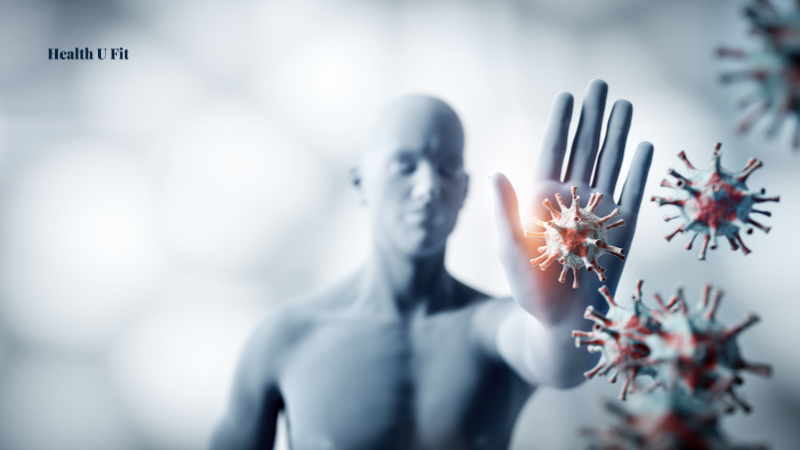
The human body is constantly exposed to viruses, bacteria, fungi, toxins, and other harmful microorganisms. Despite these daily threats, the body has an advanced protection network that works continuously to keep us healthy. This protective network is known as the immune system. It acts as the body’s natural defense mechanism, identifying harmful invaders, fighting infections and helping the body recover from illness and injury.
The immune system is made up of different organs, cells, tissues and proteins that work together in a highly organized way. Without it, even a minor infection could become dangerous. From protecting against common colds to defending the body from serious diseases, the immune system plays a critical role in human survival and overall health.
A strong immune system helps the body function efficiently, while a weak or overactive immune system can lead to infections, allergies, autoimmune diseases and other health complications. Understanding how the immune system works and how to support it through healthy habits is essential for maintaining long-term wellness.
Table of Contents
What Is the Immune System and How Does It Work?
The immune system is the body’s defense system designed to protect against harmful substances and disease-causing organisms. It identifies threats such as viruses, bacteria, parasites and toxins and works to destroy them before they can cause serious harm.
The immune system operates through a complex network of cells and organs that communicate with each other. When harmful microorganisms enter the body, the immune system immediately recognizes them as foreign invaders. It then launches an immune response to eliminate the threat.
One of the most remarkable features of the immune system is its ability to remember previous infections. After fighting certain diseases, the immune system stores information about the invading pathogen. If the same pathogen enters the body again, the immune system can respond faster and more effectively. This immune memory is also the reason vaccines work successfully.
The immune system includes two main types of immunity:
Innate Immunity
Innate immunity is the body’s first line of defense. It includes physical barriers such as the skin, mucus, stomach acid, and immune cells that attack harmful invaders immediately. This type of immunity is fast but non-specific.
Adaptive Immunity
Adaptive immunity develops over time after exposure to infections or vaccines. It is highly specific and involves special immune cells known as B-cells and T-cells. These cells help the body recognize and remember pathogens for future protection.
Together, these immune responses help the body defend itself against countless threats every day.
Major Components of the Immune System
The immune system consists of several important components that work together to protect the body.
White Blood Cells
White blood cells, also called leukocytes, are among the most important immune cells. They travel through the bloodstream and tissues searching for harmful microorganisms.
Different types of white blood cells perform different tasks:
- Neutrophils attack bacteria and fungi.
- Lymphocytes help recognize specific pathogens.
- Monocytes remove dead cells and harmful microbes.
- Eosinophils help fight parasites and allergies.
- Basophils release chemicals that support inflammation and immune responses.
- These cells are constantly working to keep the body protected.
Lymphatic System
The lymphatic system is a network of vessels and tissues that helps transport immune cells throughout the body. It also removes waste and toxins.
Important parts of the lymphatic system include:
- Lymph nodes
- Tonsils
- Spleen
- Thymus
- Bone marrow
Lymph nodes act like filters where immune cells gather to identify and destroy harmful pathogens.
Bone Marrow
Bone marrow is the soft tissue found inside bones. It produces blood cells including white blood cells that are essential for immunity.
Without healthy bone marrow, the body cannot produce enough immune cells to fight infections effectively.
Thymus
The thymus is a small gland located behind the breastbone. It helps develop T-cells, which are responsible for attacking infected or abnormal cells.
The thymus is especially active during childhood and becomes smaller with age.
Spleen
The spleen filters blood, removes damaged cells, and stores immune cells. It also helps the body fight infections and maintain healthy blood circulation.
Each component of the immune system plays a unique and important role in maintaining health and protecting the body from disease.
Common Immune System Disorders and Health Problems
Although the immune system is highly effective, it does not always function perfectly. Sometimes it becomes weak, overactive or confused leading to various health conditions.
Autoimmune Diseases
Autoimmune diseases occur when the immune system mistakenly attacks healthy cells and tissues.
Examples include:
- Rheumatoid arthritis
- Lupus
- Multiple sclerosis
- Type 1 diabetes
In these conditions, the immune system fails to distinguish between harmful invaders and the body’s own cells. This can cause chronic inflammation, pain and tissue damage.
Allergies
Allergies happen when the immune system overreacts to harmless substances such as pollen, dust, pet hair or certain foods.
Common allergy symptoms include:
- Sneezing
- Itchy eyes
- Skin rashes
- Swelling
- Breathing difficulties
Severe allergic reactions, known as anaphylaxis, can become life-threatening if not treated immediately.
Immunodeficiency Disorders
- Immunodeficiency disorders weaken the immune system and reduce the body’s ability to fight infections.
- Some immunodeficiency conditions are inherited, while others develop because of diseases such as HIV/AIDS or certain medical treatments.
- People with weakened immune systems are more vulnerable to infections and illnesses.
Chronic Inflammation
Inflammation is normally part of the immune response, but long-term inflammation can become harmful.
Chronic inflammation has been linked to diseases such as:
- Heart disease
- Diabetes
- Obesity
- Cancer
- Alzheimer’s disease
Managing inflammation through healthy lifestyle habits is important for overall health.
How to Strengthen and Support the Immune System
A healthy lifestyle plays a major role in maintaining a strong immune system. Although no single food or supplement can guarantee perfect immunity, several habits can help support immune function naturally.
Eat a Balanced Diet
Proper nutrition provides the body with vitamins, minerals and antioxidants needed for immune health.
Important nutrients include:
- Vitamin C
- Vitamin D
- Zinc
- Iron
- Protein
Fruits, vegetables, whole grains, nuts, seeds, and lean proteins help support immune function.
Foods rich in antioxidants can also help reduce inflammation and protect cells from damage.
Get Enough Sleep
Sleep is essential for immune system recovery and regulation. During sleep, the body repairs tissues and produces important immune proteins.
- Lack of sleep can weaken immunity and increase the risk of illness.
- Adults generally need between 7 and 9 hours of quality sleep each night.
Exercise Regularly
Regular physical activity improves blood circulation and supports immune cell movement throughout the body.
Moderate exercise helps:
- Reduce inflammation
- Improve cardiovascular health
- Lower stress
- Strengthen immunity
However, excessive physical stress without proper recovery may temporarily weaken immune function.
Manage Stress
Chronic stress can negatively affect the immune system by increasing stress hormones such as cortisol.
Long-term stress may reduce the body’s ability to fight infections and recover efficiently.
Stress management techniques include:
- Meditation
- Deep breathing exercises
- Yoga
- Spending time outdoors
- Social connection
Mental well-being is closely connected to physical health and immune performance.
Stay Hydrated
Water supports many important body functions, including circulation, digestion, and toxin removal.
Proper hydration helps immune cells move efficiently throughout the body.
Avoid Harmful Habits
Smoking, excessive alcohol consumption, poor diet, and lack of physical activity can weaken immune function over time.
Healthy habits support long-term immunity and overall wellness.
Future of Immune System Research and Medical Advances
Scientific understanding of the immune system continues to grow rapidly. Researchers are discovering new ways to use the immune system to treat diseases and improve human health.
One of the most exciting areas of research is immunotherapy, which uses the body’s own immune system to fight diseases such as cancer. Immunotherapy treatments help immune cells recognize and destroy cancer cells more effectively.
Vaccines are another major advancement in immune science. Modern vaccines help train the immune system to recognize dangerous pathogens before infection occurs. Vaccination programs have helped control or eliminate diseases such as polio, measles, and smallpox.
Researchers are also studying:
- Personalized medicine
- Gene-based therapies
- Advanced antibody treatments
- Gut microbiome health
- Autoimmune disease management
The connection between gut bacteria and immune health has become a major area of scientific interest. Healthy gut bacteria appear to influence inflammation, digestion, and immune responses.
As medical science advances, future treatments may become more targeted, effective, and personalized based on individual immune system profiles.
The growing understanding of immunity may lead to breakthroughs in preventing and treating many chronic diseases.
Conclusion
The immune system is one of the most important and complex systems in the human body. It protects against harmful microorganisms, helps the body heal, and plays a central role in maintaining overall health. Through a network of specialized cells, tissues, and organs, the immune system constantly works to defend the body from infections and diseases. A healthy immune system depends on several factors, including proper nutrition, regular exercise, quality sleep, stress management, hydration, and healthy lifestyle choices. Understanding how the immune system works also highlights the importance of vaccines, preventive healthcare, and scientific research. Although immune-related disorders can create serious health challenges, ongoing medical advancements continue to improve our ability to prevent, manage, and treat these conditions. From vaccines to immunotherapy, modern medicine increasingly relies on understanding the immune system to improve human health. By caring for the immune system and making healthy daily choices, people can strengthen their body’s natural defenses, improve resilience against illness, and support long-term well-being.

