

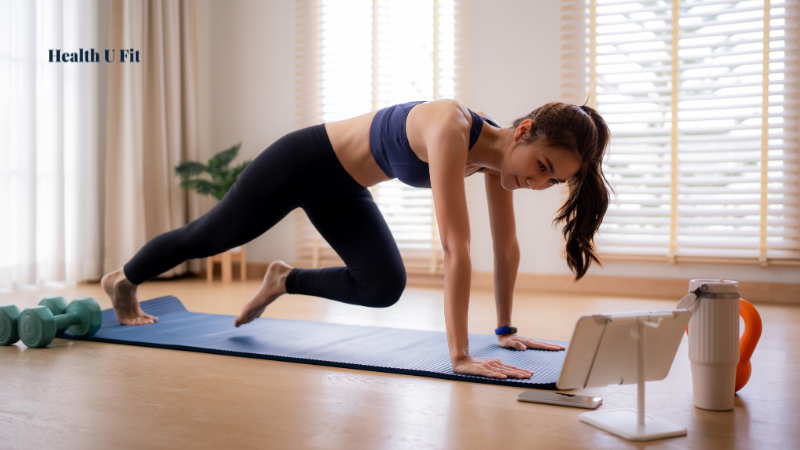
Starting a fitness journey can feel overwhelming at first, especially if you are completely new to exercise or do not have access to a gym or fitness center. Many beginners often think that getting fit requires expensive equipment, professional trainers, or a gym membership which can make the process seem even more difficult. The truth is that you can start building a healthier and stronger body right from the comfort of your own home.
The good news is that fitness does not depend on fancy machines or costly tools. With a simple and well-structured home workout plan, anyone can begin improving their health step by step. Home workouts can help you develop strength, increase stamina, improve flexibility, and support overall physical and mental well-being without stepping outside your house.
Even small efforts done consistently can lead to noticeable changes over time. By following a clear routine and staying committed, beginners can easily build a strong fitness foundation. This article will serve as a simple and practical guide to help you get fit at home using easy exercises and beginner-friendly workout routines that you can follow at your own pace.
Table of Contents
Why Home Workouts Are Perfect for Beginners
Home workouts are one of the best ways for beginners to start their fitness journey. They are convenient, cost-effective and flexible. You can exercise anytime without worrying about gym timings or travel. Another major benefit is comfort. Many beginners feel shy or intimidated in gyms but working out at home allows you to learn at your own pace without pressure. You can focus on proper form and gradually build confidence.
Home workouts also help in developing consistency. Since there are fewer barriers, it becomes easier to stick to a routine. Even 20–30 minutes a day can lead to noticeable improvements in energy levels, mood, and fitness over time. Home workouts can be customized. Whether your goal is weight loss, strength building or general fitness, you can design a routine that suits your needs.
Warm-Up: Preparing Your Body for Exercise
Before starting any workout, warming up is essential. A warm-up prepares your muscles, increases blood flow and reduces the risk of injury.
A simple beginner warm-up routine can include:
- Marching in place for 2–3 minutes
- Arm circles (forward and backward)
- Light jogging or jumping jacks
- Neck and shoulder rotations
- Gentle stretching of legs and arms
Spend at least 5–10 minutes warming up. This helps your body transition from rest to activity smoothly and improves performance during exercise.
Skipping warm-ups can lead to stiffness or injury, so make it a non-negotiable part of your workout routine.
Beginner-Friendly Full Body Workout Plan
A full-body workout is ideal for beginners because it targets multiple muscle groups in one session. You don’t need equipment just your body weight.
Here is a simple routine you can follow:
- Squats (10–15 reps): Strengthens legs and glutes
- Push-ups (5–10 reps): Builds upper body strength
- Lunges (10 reps each leg): Improves balance and leg strength
- Plank (20–30 seconds): Strengthens core muscles
- Glute bridges (10–15 reps): Targets lower back and hips
- Jumping jacks (30 seconds): Improves heart health and endurance
Start with 2 rounds of this circuit. Rest for 30–60 seconds between exercises. As your stamina improves, increase the number of rounds or repetitions.
The goal is not speed but proper form. Doing exercises correctly ensures better results and prevents injuries.
Weekly Workout Schedule for Beginners
Consistency is the key to fitness. A structured weekly plan helps you stay on track without feeling overwhelmed.
Here is a simple beginner schedule:
- Day 1: Full-body workout
- Day 2: Light cardio (walking, jogging, or cycling)
- Day 3: Full-body workout
- Day 4: Rest or stretching/yoga
- Day 5: Full-body workout
- Day 6: Light cardio or fun physical activity
- Day 7: Rest
This plan balances exercise and recovery. Rest days are important because they allow your muscles to recover and grow stronger.
If you are short on time, even 20–30 minutes per day is enough. The key is staying consistent rather than overtraining.
Tips to Stay Motivated and Consistent
Staying motivated is often the hardest part of fitness especially for beginners. Here are some simple tips to help you stay on track:
- Set realistic goals: Start with small targets like exercising 3–4 times a week instead of pushing too hard.
- Track your progress: Keep a simple journal or use a fitness app to record your workouts. Seeing improvement keeps you motivated.
- Create a routine: Try to exercise at the same time every day. This builds a habit.
- Stay hydrated and eat well: Good nutrition supports your workout results and keeps your energy levels high.
- Listen to your body: Don’t ignore pain or exhaustion. Rest when needed to avoid burnout or injury.
- Make it enjoyable: Play music, try different exercises or work out with a friend or family member to make fitness fun.
Conclusion
Getting fit at home is completely achievable, even for beginners. With simple exercises, a structured plan and consistency, you can improve your health and fitness without needing a gym. Start slow, focus on proper form, and gradually increase intensity as your body adapts. The most important step is to begin. Once you make exercise a habit, you will notice improvements not just in your body, but also in your energy, confidence, and overall well-being.

