

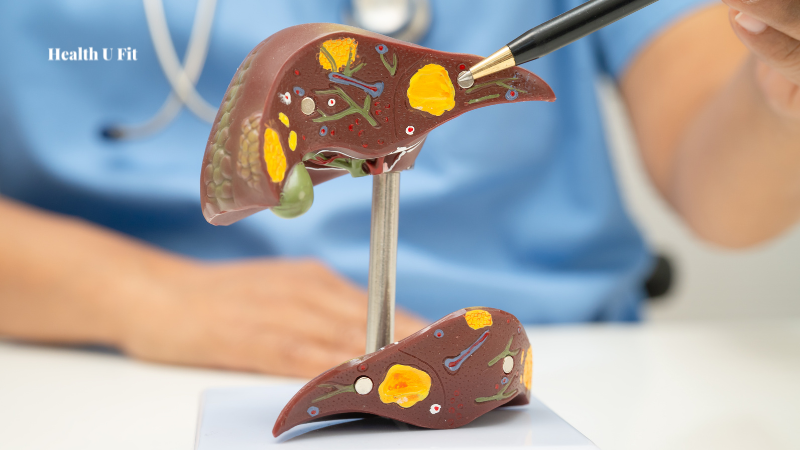
Hemochromatosis is a medical condition in which the body absorbs and stores too much iron. Iron is an essential mineral that helps produce hemoglobin, the protein in red blood cells responsible for carrying oxygen throughout the body. While the body needs iron to function properly, excessive iron accumulation can become harmful over time. In people with hemochromatosis, the body lacks the proper mechanism to remove excess iron efficiently, causing iron deposits to build up in important organs such as the liver, heart, pancreas, joints and skin.
If left untreated, hemochromatosis can lead to serious complications including liver disease, diabetes, heart problems, arthritis and hormonal imbalances. When diagnosed early, the condition can often be managed successfully with proper treatment and lifestyle adjustments. Although hemochromatosis may sound rare or complicated, it is actually one of the most common inherited metabolic disorders in many populations.
Understanding the causes, symptoms, diagnosis, and treatment of hemochromatosis is essential because early detection can prevent long-term damage and significantly improve quality of life.
Table of Contents
Hemochromatosis
Hemochromatosis is often referred to as “iron overload disorder.” In this condition, the body absorbs more iron from food than it actually needs. Unlike some nutrients that can be easily eliminated, excess iron remains stored in body tissues and organs. This accumulation becomes toxic and damages cells and organ function.
Normally, the body carefully regulates iron absorption through the intestines. In people with hemochromatosis, this regulation system does not work correctly. As a result, iron levels continue increasing year after year.
There are several forms of hemochromatosis, but hereditary hemochromatosis is the most common type. This inherited disorder is caused by genetic mutations that affect iron metabolism. Secondary hemochromatosis can also occur due to other medical conditions, repeated blood transfusions, excessive iron supplementation, or chronic liver disease.
Types of Hemochromatosis
- Hereditary Hemochromatosis
Hereditary hemochromatosis is caused by inherited genetic mutations, most commonly involving the HFE gene. This type is passed down through families and usually develops gradually over many years.
The most common genetic mutations linked to hereditary hemochromatosis are:
- C282Y mutation
- H63D mutation
A person who inherits abnormal genes from both parents has a higher risk of developing iron overload.
- Secondary Hemochromatosis
Secondary hemochromatosis develops due to external or underlying medical causes rather than inherited genes. Common causes include:
- Frequent blood transfusions
- Chronic anemia
- Liver diseases
- Excessive iron supplements
- Kidney dialysis
- Certain blood disorders
- Juvenile Hemochromatosis
This rare form appears earlier in life often during adolescence or young adulthood. It causes severe iron accumulation at a much faster rate than hereditary hemochromatosis.
- Neonatal Hemochromatosis
This extremely rare condition affects newborn babies and can cause severe liver damage shortly after birth.
Causes of Hemochromatosis
The primary cause of hereditary hemochromatosis is a genetic mutation affecting the body’s regulation of iron absorption. In healthy individuals, the intestines absorb only the amount of iron needed for bodily functions. In people with hemochromatosis, the body absorbs excessive iron even when iron stores are already full.
Secondary hemochromatosis may result from:
- Chronic blood transfusions
- Excessive dietary iron intake
- Long-term iron supplementation
- Chronic liver diseases like hepatitis
- Alcohol-related liver damage
- Certain metabolic disorders
Because iron cannot be naturally excreted in large amounts, the excess gradually accumulates inside organs and tissues.
Symptoms of Hemochromatosis
One of the challenges of diagnosing hemochromatosis is that symptoms often appear slowly and may resemble other conditions. Some individuals may not experience noticeable symptoms for years.
Common Symptoms
Early symptoms often include:
- Fatigue
- Weakness
- Joint pain
- Abdominal pain
- Weight loss
- Loss of energy
As iron buildup worsens, more serious symptoms may develop:
- Skin darkening or bronze discoloration
- Diabetes
- Liver enlargement
- Heart rhythm abnormalities
- Erectile dysfunction
- Menstrual irregularities
- Memory problems
- Depression
Organ-Specific Symptoms
Liver
Iron buildup in the liver may cause:
- Liver inflammation
- Cirrhosis
- Liver failure
- Increased risk of liver cancer
- Heart
Excess iron can damage the heart and lead to:
- Heart failure
- Irregular heartbeat
- Cardiomyopathy
Pancreas
Damage to the pancreas may interfere with insulin production and result in diabetes.
Joints
Many patients experience arthritis-like symptoms, especially in the hands, knees, and hips.
Risk Factors
Several factors can increase the likelihood of developing hemochromatosis.
Family History
People with close relatives who have hereditary hemochromatosis are at higher risk.
Genetics
Inherited mutations in iron-regulating genes significantly increase susceptibility.
Gender
Men are more likely to develop symptoms earlier because women naturally lose iron during menstruation and pregnancy.
Age
Symptoms usually appear between ages 30 and 60.
Alcohol Consumption
Excessive alcohol intake can worsen liver damage associated with iron overload.
How Hemochromatosis is Diagnosed
Early diagnosis is important to prevent permanent organ damage. Doctors use several tests to diagnose the condition.
- Blood Tests
- Serum Ferritin Test
This measures the amount of stored iron in the body.
Transferrin Saturation Test
- This measures how much iron is attached to proteins in the blood.
- High levels of both tests may indicate iron overload.
Genetic Testing
Genetic testing helps identify mutations associated with hereditary hemochromatosis.
Liver Function Tests
These tests assess whether excess iron has affected liver health.
MRI Scans
MRI imaging can help measure iron accumulation in organs such as the liver and heart.
Liver Biopsy
In severe cases, a liver biopsy may be performed to evaluate iron damage and scarring.
Complications of Hemochromatosis
If untreated, hemochromatosis can lead to serious health complications.
Liver Disease
Iron overload can cause cirrhosis, liver failure and liver cancer.
Diabetes
Damage to the pancreas can interfere with insulin production.
Heart Problems
Excess iron can weaken heart muscles and disrupt normal heart rhythms.
Hormonal Disorders
Iron accumulation may affect hormone-producing glands causing infertility or sexual dysfunction.
Arthritis
Joint pain and stiffness are common long-term complications.
Increased Infection Risk
Certain bacteria thrive in iron-rich environments, increasing infection risk.
Treatment for Hemochromatosis
The primary goal of treatment is reducing excess iron levels before organ damage becomes severe.
Therapeutic Phlebotomy
The most common treatment is therapeutic phlebotomy, which involves regularly removing blood from the body.
This process works similarly to donating blood. Removing blood lowers iron levels because iron is stored in red blood cells.
Initial Phase
Patients may need weekly blood removal sessions until iron levels normalize.
Maintenance Phase
After stabilization, treatment may continue every few months to maintain healthy iron levels.
Chelation Therapy
For patients unable to undergo phlebotomy, medications called iron chelators may help remove excess iron through urine or stool.
Treating Complications
Additional treatments may be needed for complications such as:
- Diabetes management
- Heart medications
- Liver disease treatment
- Hormone therapy
- Diet and Lifestyle Changes
Lifestyle modifications play an important role in managing hemochromatosis.
Avoid Iron Supplements
Patients should avoid unnecessary iron-containing vitamins and supplements.
Limit Vitamin C Supplements
Vitamin C increases iron absorption and may worsen iron overload.
Reduce Alcohol Intake
Alcohol can increase liver damage, especially in people with liver involvement.
Avoid Raw Seafood
People with hemochromatosis have a higher risk of infections from bacteria found in raw shellfish.
Maintain a Balanced Diet
Completely avoiding iron-rich foods is usually unnecessary, but moderation is important.
Living With Hemochromatosis
Many people with hemochromatosis live healthy lives when the condition is diagnosed early and managed properly. Regular monitoring, routine blood tests and ongoing treatment help prevent complications and improve long-term outcomes.
Patients are encouraged to:
- Attend regular medical checkups
- Follow treatment schedules
- Monitor iron levels
- Maintain healthy lifestyle habits
- Inform family members about possible genetic risk
Support from healthcare providers and family can help individuals manage both the physical and emotional aspects of the condition.
Prevention and Screening
Because hereditary hemochromatosis is genetic, prevention may not always be possible. However, early screening can reduce the risk of severe complications.
People who should consider screening include:
- Individuals with family history
- Relatives of diagnosed patients
- People with unexplained liver disease
- Individuals with abnormal iron test results
Genetic counseling may also help families understand inheritance patterns and risks.
Importance of Early Detection
One of the most important aspects of managing hemochromatosis is early detection. Since symptoms develop slowly and may appear vague, many people remain undiagnosed for years. Unfortunately, organ damage may already be advanced by the time serious symptoms appear.
Routine blood tests and awareness of family history can help doctors identify the condition before complications occur. Early treatment can often prevent permanent organ damage entirely.
Future Research and Advances
Medical research continues improving the understanding of iron metabolism and genetic disorders. Scientists are exploring new approaches for earlier diagnosis, targeted therapies and improved management strategies.
Advances in genetic testing have already made hereditary hemochromatosis easier to identify. Future treatments may become even more personalized as researchers learn more about how genes influence iron regulation.
Conclusion
Hemochromatosis is a serious but manageable condition caused by excessive iron accumulation in the body. While iron is essential for good health, too much iron can damage major organs and lead to life-threatening complications if left untreated. Hereditary hemochromatosis is the most common form and is often linked to inherited genetic mutations that affect iron absorption. Symptoms may develop gradually and include fatigue, joint pain, liver problems, diabetes and heart complications. Fortunately, early diagnosis through blood tests and genetic screening allows for effective treatment before severe damage occurs. Therapeutic phlebotomy, lifestyle adjustments and ongoing monitoring remain the cornerstone of management. With proper medical care and awareness, individuals with hemochromatosis can lead long, healthy and active lives. Increasing public understanding of this iron overload disorder is essential for promoting early detection, reducing complications and improving overall patient outcomes.

