

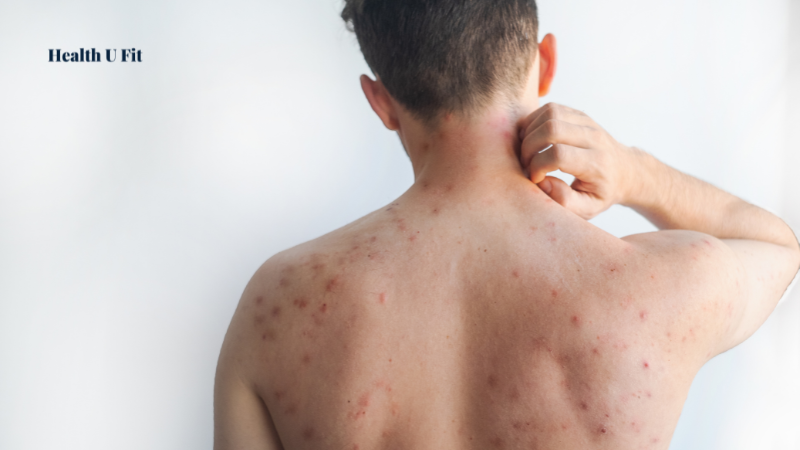
Eczema is a chronic skin condition that causes inflammation, dryness, itching, and irritation of the skin. It commonly appears in cycles, where symptoms flare up for a period of time and then improve or go into remission. The condition is believed to result from a combination of genetic factors, an overactive immune response, and a weakened skin barrier that allows irritants and allergens to penetrate more easily. Eczema can affect people of all ages, though it is especially common in children, and it may appear on different parts of the body such as the hands, face, arms, and behind the knees.
Common symptoms include red or inflamed patches, persistent itching, rough or scaly skin and sometimes small fluid-filled bumps. Although eczema is not contagious it can significantly impact daily life by causing discomfort and sleep disturbances. While there is no permanent cure it can be effectively managed through proper skincare routines, moisturizers, avoiding triggers and medical treatments such as topical creams or antihistamines.
Table of Contents
Eczema
Eczema is also known as atopic dermatitis is a chronic inflammatory skin disorder. It occurs when the skin’s protective barrier becomes weakened, making it more sensitive to irritants, allergens and environmental triggers. This leads to dryness, itching, redness and sometimes cracking or oozing of the skin.
Eczema is considered a complex condition influenced by genetic, immune system and environmental factors. People with eczema often have an overactive immune response that triggers inflammation when exposed to certain substances.
Causes of Eczema
The exact cause of eczema is not fully understood but several factors contribute to its development:
1. Genetic Factors
Eczema often runs in families. If parents have eczema, asthma or hay fever, children are more likely to develop it. Certain genes affect the skin’s ability to protect itself properly.
2. Immune System Dysfunction
In people with eczema, the immune system reacts strongly to harmless substances, leading to inflammation and skin irritation.
3. Skin Barrier Problems
Healthy skin acts as a protective barrier. In eczema, this barrier is weakened allowing moisture to escape and irritants to enter easily.
4. Environmental Triggers
Common triggers include:
- Dust and pollution
- Soaps and detergents
- Perfumes and cosmetics
- Weather changes (especially cold or dry air)
- Pet dander and pollen
5. Stress and Emotional Factors
Stress does not cause eczema directly but can worsen flare-ups by affecting the immune system.
Symptoms of Eczema
Eczema symptoms vary from person to person and may change over time. Common symptoms include:
- Dry, sensitive skin
- Intense itching (often worse at night)
- Red or brownish patches on the skin
- Thickened or scaly skin
- Small raised bumps that may leak fluid
- Cracked or rough skin
In severe cases, constant scratching can lead to skin infections.
Types of Eczema
Eczema is not a single condition but a group of related skin disorders. The main types include:
1. Atopic Dermatitis
The most common form often starting in childhood. It is linked to allergies and asthma.
2. Contact Dermatitis
Occurs when the skin reacts to direct contact with irritants or allergens such as chemicals, soaps or metals.
3. Dyshidrotic Eczema
Causes small, itchy blisters on the hands and feet often triggered by stress or moisture.
4. Nummular Eczema
Appears as round, coin-shaped patches on the skin that can be very itchy.
5. Seborrheic Dermatitis
Affects oily areas like the scalp, face and chest, leading to flaky, dandruff-like skin.
6. Stasis Dermatitis
Occurs in the lower legs due to poor blood circulation often in older adults.
Triggers That Worsen Eczema
Eczema flare-ups are often triggered by specific factors. Identifying these triggers is important for management:
- Harsh soaps and skincare products
- Wool or synthetic fabrics
- Hot showers or excessive sweating
- Allergens like pollen or dust mites
- Emotional stress
- Cold or dry weather
- Certain foods (in some individuals)
Diagnosis of Eczema
There is no single test for eczema. Doctors diagnose it based on:
- Medical history
- Skin examination
- Family history of allergies or asthma
- Patch testing (to identify allergies, if needed)
A dermatologist may also rule out other skin conditions like psoriasis or fungal infections.
Treatment Options for Eczema
Although eczema cannot be permanently cured, it can be effectively controlled with treatment.
1. Moisturizers (Emollients)
Regular use of moisturizers is the most important step. They help restore the skin barrier and reduce dryness and itching.
2. Topical Corticosteroids
These anti-inflammatory creams reduce redness and swelling during flare-ups.
3. Calcineurin Inhibitors
Non-steroid creams that help control inflammation especially for sensitive areas like the face.
4. Antihistamines
These help reduce itching, especially at night.
5. Antibiotics
Used if the skin becomes infected due to scratching.
6. Phototherapy
Controlled exposure to ultraviolet (UV) light can help reduce severe symptoms.
7. Biologic Medications
In severe cases, injectable medications target immune system pathways to control inflammation.
Home Remedies and Natural Care
Many people find relief through simple lifestyle adjustments and home care methods:
- Applying coconut oil or aloe vera
- Taking lukewarm baths instead of hot water
- Using mild, fragrance-free soaps
- Wearing soft cotton clothing
- Keeping nails short to prevent skin damage from scratching
- Using a humidifier in dry environments
Lifestyle Management for Eczema
Managing eczema requires long-term care and consistency. Helpful habits include:
1. Skincare Routine
- Moisturize at least twice daily
- Apply creams immediately after bathing
- Avoid harsh scrubbing
2. Diet and Nutrition
While not universal, some people benefit from avoiding:
- Dairy products
- Eggs
- Processed foods
A balanced diet rich in fruits, vegetables and omega-3 fatty acids supports skin health.
3. Stress Management
Since stress can trigger flare-ups, techniques like yoga, meditation and deep breathing can help.
4. Sleep Care
Itching often worsens at night so maintaining a cool sleeping environment can improve rest.
Complications of Eczema
If not managed properly, eczema can lead to:
- Skin infections (bacterial, viral, or fungal)
- Thickened skin due to constant scratching
- Sleep disturbances
- Emotional stress, anxiety, or low self-esteem
Early treatment helps prevent these complications.
Eczema in Children
Eczema in children is a common long-term skin condition that causes dryness, redness, itching, and inflammation of the skin. It often appears in early childhood, sometimes even in infancy, and can affect different parts of the body such as the cheeks, arms, legs, and behind the knees or elbows. In children, eczema is usually linked to a combination of genetic factors, a sensitive immune system, and a weakened skin barrier that allows irritants and allergens to easily affect the skin. This leads to recurring flare-ups where symptoms become worse for a period of time and then improve. The constant itching can be especially uncomfortable for children and may disturb their sleep, mood and daily activities. Common triggers include harsh soaps, dust, pollen, certain foods and changes in weather. Although eczema in children is not contagious, it requires regular care and management through gentle skincare, frequent use of moisturizers, avoiding known triggers and sometimes medicated creams prescribed by a doctor. With proper attention and treatment, many children experience significant improvement as they grow older and in some cases, the condition may become less severe or disappear over time.
Living with Eczema
Living with eczema can be challenging as it is a long-term skin condition that often comes with cycles of flare-ups and periods of improvement. People with eczema frequently deal with symptoms such as persistent itching, dryness, redness, and skin sensitivity which can affect daily comfort and confidence. Managing the condition requires consistent skincare routines, including regular moisturizing to strengthen the skin barrier and reduce dryness. Identifying and avoiding personal triggers such as certain soaps, allergens, stress or weather changes is also an important part of controlling flare-ups. In some cases, medical treatments like topical creams or antihistamines may be needed to manage inflammation and itching. Beyond physical symptoms, eczema can also impact emotional well-being as constant discomfort or visible skin changes may lead to stress or self-consciousness. However, with proper care, lifestyle adjustments, and medical guidance most people with eczema are able to keep their symptoms under control and maintain a good quality of life.
Conclusion
Eczema is a long-term but manageable skin condition influenced by genetics, immune response, and environmental factors. While it cannot be completely cured, symptoms can be controlled through proper skincare, medical treatment and lifestyle adjustments. Understanding triggers and maintaining a regular care routine are essential steps in reducing flare-ups and improving skin health. With the right approach, individuals with eczema can lead comfortable, active and healthy lives.

