

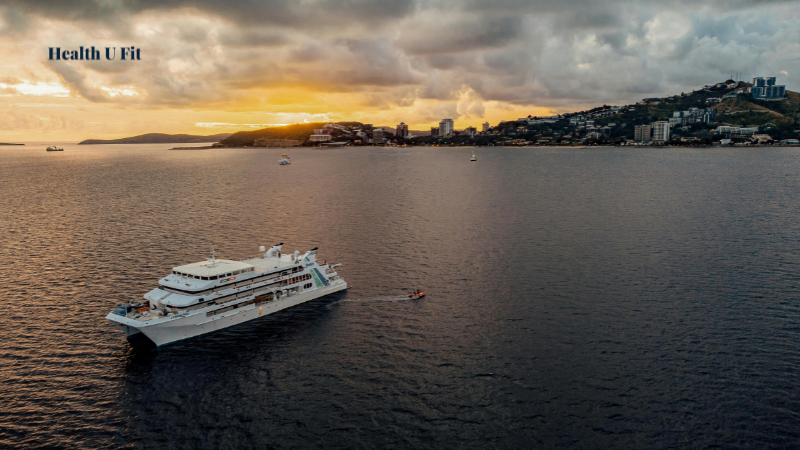
Australia announced on Monday that it will arrange a charter flight to evacuate its citizens from the Dutch-flagged luxury cruise ship MV Hondius, which has been linked to a deadly Hantavirus outbreak. Australian passengers returning from the ship will be placed in quarantine upon arrival as a precautionary measure.
According to a tally released by the World Health Organization on Friday, eight people who had previously been on board the MV Hondius have fallen ill, with six confirmed cases of hantavirus infection. Three people have died, including a Dutch couple and a German citizen.
Read Also – GSK partners with Sino Biopharmaceutical to commercialize chronic hepatitis B treatment in China
Murray Watt said that four Australians, one resident of Tenerife, and one resident of New Zealand will be repatriated.
“This is being done via an Australian government-supported flight, and we expect those people to return to Australia soon,” Watt told reporters in Canberra.
Mark Butler told reporters during a news conference that the returning passengers will be quarantined at a facility in Western Australia for at least three weeks.
“I want to stress that our primary responsibility as a government, obviously, is to keep our community safe and healthy,” he said.
“We also have a responsibility to those passengers, to bring them home and to protect them from any risk, no matter how small, of potentially transmitting the virus without knowing it.”
Corina Grey said in a statement on Monday that New Zealand’s health system has the capacity to manage any quarantine measures if they become necessary.
Officials also confirmed that Spain, France, and the United States have evacuated their citizens from the MV Hondius, which is anchored near Tenerife, the largest of the Canary Islands. One U.S. citizen has tested positive for Hantavirus, while another passenger has reported mild symptoms.
The World Health Organization has recommended a 42-day quarantine period for all passengers. Health experts have also urged the public to remain calm, emphasizing that hantavirus is far less contagious than COVID-19 and currently poses a much lower public health risk.

