

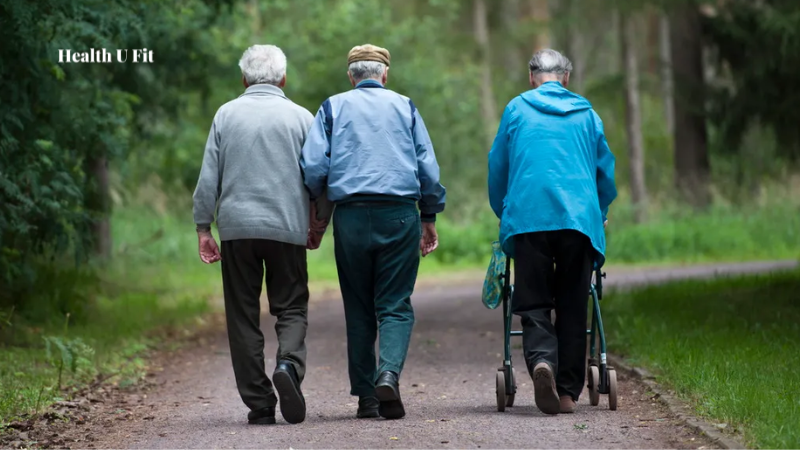
In today’s fast-changing world where innovation and progress are often associated with youth, ageism remains a significant yet frequently overlooked social issue. Ageism refers to discrimination, stereotypes and prejudice against individuals based on their age. While it is commonly linked to older adults, ageism can affect people at all stages of life including younger individuals who may be perceived as inexperienced or incapable. As societies continue to evolve, addressing age-based bias becomes essential for creating a fair and inclusive environment where everyone is valued for their abilities rather than their age.
Table of Contents
Ageism
Ageism is a form of discrimination that occurs when individuals are treated unfairly because of their age. It can appear in various forms, including negative attitudes, exclusion or unequal opportunities. Unlike other forms of discrimination, ageism is often normalized and goes unnoticed making it more difficult to challenge. It exists in everyday interactions, institutional policies, and cultural beliefs, influencing how people perceive themselves and others.
Causes of Ageism
The roots of ageism lie in long-standing cultural and social beliefs. Many societies glorify youth, associating it with energy, innovation and adaptability, while portraying older age as a period of decline or dependency. Fear of aging and mortality also contributes to negative perceptions, leading individuals to distance themselves from older age groups. Additionally, limited interaction between generations can reinforce misunderstandings and stereotypes as people may rely on assumptions rather than real experiences.
Ageism in the Workplace
The workplace is one of the most common settings where ageism occurs. Older employees may face challenges such as being overlooked for promotions, excluded from training opportunities or encouraged to retire early. Employers may assume that older workers are less adaptable or unable to learn new technologies. On the other hand, younger employees may struggle to be taken seriously with their ideas dismissed due to a perceived lack of experience. These biases not only limit individual growth but also prevent organizations from benefiting from diverse perspectives.
Social and Psychological Impact
Ageism has a profound effect on individuals mental and emotional well-being. Older adults who face constant negative stereotypes may experience reduced self-esteem, social isolation and increased stress. Similarly, younger individuals may feel undervalued and discouraged when their abilities are questioned. Over time, internalizing these beliefs can affect confidence, motivation and overall quality of life. The psychological impact of ageism highlights the need for greater awareness and support systems.
Role of Media and Culture
Media and popular culture play a significant role in shaping perceptions of age. Older individuals are often portrayed as weak, forgetful or out of touch, while younger people may be depicted as careless or immature. These representations reinforce stereotypes and influence how society views different age groups. A lack of diverse and realistic portrayals further strengthens these biases, making it essential for media to adopt a more balanced and inclusive approach.
Ageism in Healthcare
Age-based discrimination in healthcare can have serious consequences. Older patients may receive inadequate treatment due to assumptions about their quality of life or ability to recover. In some cases, symptoms may be dismissed as a natural part of aging rather than properly addressed. This can lead to delayed diagnoses and poorer health outcomes. Ensuring fair and individualized care for all patients, regardless of age is crucial for improving healthcare systems.
Technology and Ageism
The rapid advancement of technology has introduced new challenges related to ageism. Older adults are often labeled as “not tech-savvy,” which can limit their access to digital tools and services. However, this stereotype ignores the fact that many older individuals are capable of learning and adapting when given proper support. At the same time, younger generations face pressure to constantly keep up with technological changes, reinforcing unrealistic expectations. Bridging the digital divide requires inclusive design and accessible education.
Intersection with Other Forms of Discrimination
Ageism does not exist in isolation; it often overlaps with other forms of discrimination such as gender, race, and socioeconomic status. For example, older women may face harsher judgment due to societal expectations around aging and appearance. Similarly, individuals from marginalized communities may experience compounded bias that intensifies their challenges. Understanding these intersections is essential for addressing inequality in a comprehensive way.
Combating Ageism Through Education
Education is one of the most effective tools for reducing ageism. By promoting awareness and encouraging open discussions about age-related stereotypes, societies can challenge harmful beliefs. Intergenerational learning programs can help bridge the gap between different age groups, fostering mutual understanding and respect. Schools, workplaces, and communities all play a role in shaping attitudes and promoting inclusivity.
Role of Workplaces in Promoting Inclusion
Organizations have a responsibility to create age-inclusive environments. This includes implementing fair hiring practices, offering equal opportunities for training and development, and valuing the contributions of employees across all age groups. Mentorship programs that connect younger and older workers can encourage knowledge sharing and collaboration. By embracing diversity, companies can enhance innovation and productivity.
Media Responsibility in Changing Perceptions
Media platforms have the power to influence public attitudes and should take an active role in combating ageism. By portraying individuals of all ages in diverse and positive roles, media can challenge stereotypes and promote a more balanced view of aging. Highlighting stories of achievement and resilience across different age groups can inspire change and reshape societal norms.
Policy and Legal Measures
Governments and institutions must implement policies that protect individuals from age-based discrimination. Laws that promote equal opportunities in employment, healthcare, and access to services are essential for creating a fair society. Effective enforcement of these policies ensures that individuals are treated with dignity and respect, regardless of their age.
Importance of Intergenerational Collaboration
Collaboration between different age groups is key to building stronger communities. Younger individuals bring fresh ideas and innovation, while older individuals contribute experience and wisdom. By working together, generations can learn from each other and create solutions that benefit society as a whole. Encouraging such collaboration helps break down stereotypes and fosters mutual respect.
Future of Age-Inclusive Societies
As global populations continue to age, the importance of addressing ageism becomes even more critical. Societies must adapt to ensure that individuals of all ages can participate fully in economic, social, and cultural life. Embracing age diversity not only promotes fairness but also enhances resilience and innovation. Redefining aging as a positive and valuable stage of life is essential for long-term progress.
Conclusion
Ageism is a deeply rooted issue that affects individuals across all age groups, influencing opportunities, relationships, and overall well-being. Despite its widespread presence, it often goes unnoticed due to its normalization in society. Addressing ageism requires a collective effort that includes education, policy changes, inclusive practices, and a shift in cultural attitudes. By recognizing and valuing the unique contributions of people at every stage of life, societies can move toward a more inclusive and equitable future. Ultimately, overcoming ageism is not just about fairness it is about creating a world where everyone has the opportunity to thrive, regardless of their age.

