

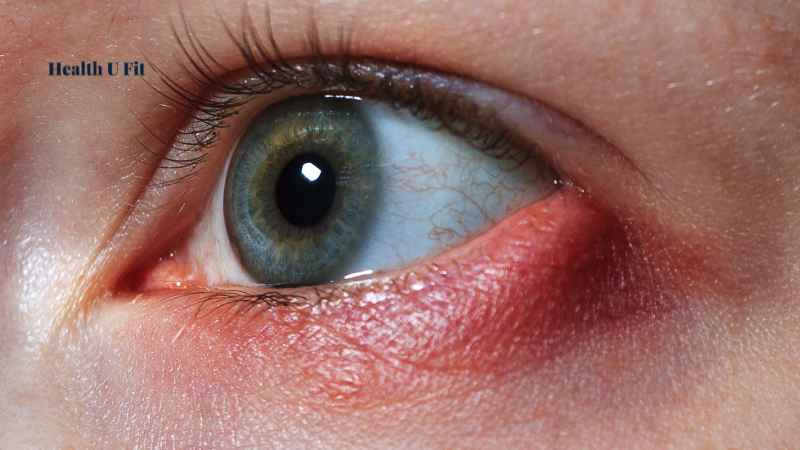
Acanthamoeba infection is a rare but serious condition caused by a group of microscopic, free-living amoebae commonly found in the environment. These organisms exist in soil, dust, air, and various water sources such as lakes, rivers, tap water, and even swimming pools. Most people come into contact with Acanthamoeba at some point in their lives without experiencing any health issues. However, under certain conditions particularly when the immune system is weakened or when proper hygiene is not maintained these organisms can enter the body and cause infection. The two most significant forms of illness associated with Acanthamoeba are Acanthamoeba keratitis, which affects the eyes, and Granulomatous amoebic encephalitis, a rare but often fatal infection of the central nervous system.
Table of Contents
What is Acanthamoeba?
Acanthamoeba is a genus of amoebae that can live independently in the environment without needing a host. It has a simple life cycle consisting of two stages: an active trophozoite stage where the organism feeds and multiplies, and a dormant cyst stage which is highly resistant to harsh environmental conditions. The cyst form allows Acanthamoeba to survive extreme temperatures, chemical exposure, and even disinfectants, making it particularly difficult to eliminate from contaminated environments. This resilience also contributes to the persistence and severity of infections once they occur in humans.
Types of Acanthamoeba Infections
Acanthamoeba can cause different types of infections depending on how it enters the body and the individual’s overall health condition.
Acanthamoeba Keratitis
Acanthamoeba keratitis is an infection of the cornea, the clear outer layer of the eye. It is most commonly seen in contact lens users especially those who do not follow proper hygiene practices. The infection can occur when contaminated water or objects come into contact with the eye, allowing the amoeba to invade the corneal tissue.
Granulomatous Amoebic Encephalitis (GAE)
Granulomatous amoebic encephalitis is a rare but severe infection that affects the brain and central nervous system. It usually occurs in individuals with weakened immune systems such as those with chronic illnesses or undergoing immunosuppressive treatments. The infection spreads through the bloodstream after entering the body via the respiratory tract or broken skin.
Cutaneous Acanthamoeba Infection
In some cases, Acanthamoeba can infect the skin, leading to ulcers or lesions. This form is also more common in immunocompromised individuals and may occur alongside systemic infection.
Causes and Risk Factors
Acanthamoeba infections occur when the organism enters the body through the eyes, skin or respiratory system. Several factors can increase the risk of infection:
- Poor contact lens hygiene, including using tap water to clean lenses
- Swimming or bathing while wearing contact lenses
- Exposure to contaminated water sources
- Weakened immune system due to illness or medication
- Skin injuries that allow entry of the organism
Understanding these risk factors is crucial for prevention and early detection.
Symptoms of Acanthamoeba Infection
The symptoms of Acanthamoeba infection vary depending on the type and severity of the condition.
Eye Infection Symptoms
- Severe eye pain
- Redness and irritation
- Blurred or reduced vision
- Sensitivity to light
- Excessive tearing
- Feeling of a foreign object in the eye
Brain Infection Symptoms
- Persistent headaches
- Fever and nausea
- Confusion or altered mental state
- Seizures
- Difficulty with coordination and movement
Skin Infection Symptoms
- Open sores or ulcers
- Nodules or lesions on the skin
- Slow-healing wounds
Early recognition of these symptoms is essential for prompt medical treatment.
Diagnosis
Diagnosing Acanthamoeba infection can be challenging due to its rarity and similarity to other conditions. In cases of eye infection, doctors may perform corneal scrapings and examine them under a microscope or use imaging techniques to identify the organism. Laboratory tests such as cultures and polymerase chain reaction (PCR) can confirm the presence of Acanthamoeba. For brain infections, imaging methods like MRI or CT scans, along with cerebrospinal fluid analysis are used to detect abnormalities and identify the cause.
Treatment Options
Treatment depends on the type and severity of the infection.
Treatment for Acanthamoeba Keratitis
This condition is usually treated with a combination of antimicrobial eye drops, including antiseptic and antibiotic agents. Treatment can be prolonged, often lasting several weeks or months. In severe cases, surgical intervention such as corneal transplantation may be required.
Treatment for GAE
Granulomatous amoebic encephalitis is treated with a combination of drugs, including antifungal, antibacterial, and antiparasitic medications. Despite aggressive treatment, the condition has a high mortality rate, making early diagnosis critical.
Supportive Care
Pain management, hydration, and monitoring of symptoms are important aspects of treatment for all forms of Acanthamoeba infection.
Prevention Strategies
Preventing Acanthamoeba infection is especially important for individuals at higher risk, such as contact lens users. Key preventive measures include:
- Washing hands thoroughly before handling contact lenses
- Using only sterile lens cleaning solutions
- Avoiding tap water or homemade solutions for lens care
- Not wearing lenses while swimming or showering
- Replacing lens cases regularly
- Maintaining proper hygiene and avoiding contaminated water sources
These simple steps can significantly reduce the risk of infection.
Challenges and Complications
Acanthamoeba infections present several challenges, including delayed diagnosis, resistance to treatment, and potential for severe complications. In eye infections, delayed treatment can lead to permanent vision loss. In brain infections, the disease can progress rapidly and become life-threatening. The organism’s ability to form cysts makes it resistant to many standard disinfectants, complicating both prevention and treatment efforts.
Recent Research and Developments
Ongoing research is focused on better understanding the biology of Acanthamoeba and developing more effective treatments. Scientists are exploring new drug combinations, improved diagnostic tools, and advanced imaging techniques to detect infections earlier. There is also increasing interest in studying how the organism interacts with the human immune system, which could lead to breakthroughs in prevention and therapy.
Conclusion
Acanthamoeba infection is a rare but potentially dangerous condition that requires awareness, early detection, and proper treatment. While most people are exposed to the organism without harm, certain risk factors can lead to serious health issues affecting the eyes, skin, or brain. By understanding the causes, symptoms, and preventive measures, individuals can reduce their risk and protect their health. Increased awareness among healthcare providers and the public, along with continued research, will play a vital role in improving outcomes and managing this challenging infection effectively.

