

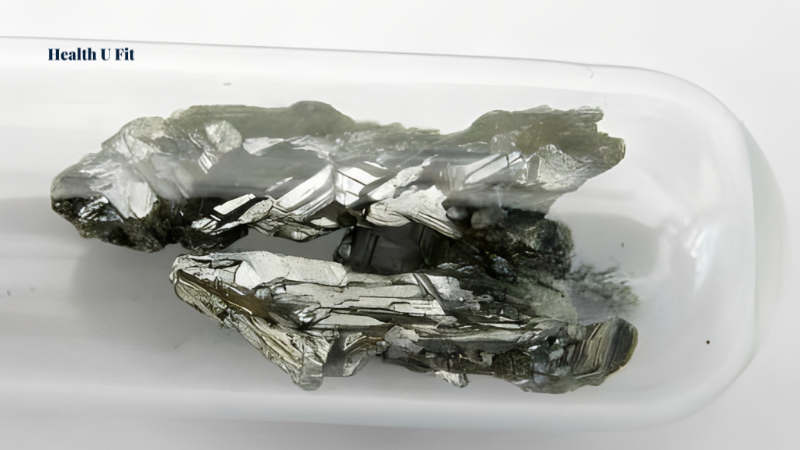
Arsenic is a naturally occurring chemical element found in the Earth’s crust. Although it exists naturally in soil, water, rocks and air arsenic is widely known because of its toxic effects on humans and the environment. For centuries, arsenic has been both useful and dangerous. It has been used in industries, agriculture, medicine, and manufacturing, but it has also become associated with poisoning, contaminated water supplies, and serious health problems. Today, arsenic remains an important topic in environmental science and public health because millions of people worldwide are exposed to unsafe levels of this toxic substance, especially through drinking water.
Understanding arsenic is important because exposure can happen in everyday life without people realizing it. In many regions around the world, groundwater naturally contains arsenic, and long-term exposure may lead to severe health conditions. At the same time, arsenic also has some industrial and medical applications making it a complex element with both beneficial and harmful characteristics.
Table of Contents
Arsenic
Arsenic is a chemical element with the symbol “As” and atomic number 33 on the periodic table. It is classified as a metalloid, meaning it has properties of both metals and nonmetals. Arsenic is usually found combined with other elements in minerals and ores rather than in its pure form.
There are two main forms of arsenic:
Organic arsenic: Usually found in seafood and considered less harmful to humans.
Inorganic arsenic: Commonly found in contaminated water, soil, and industrial materials. This form is far more toxic and is linked to major health concerns.
Arsenic enters the environment through both natural processes and human activities. Natural events such as volcanic eruptions, weathering of rocks, and erosion can release arsenic into groundwater and soil. Human activities such as mining, industrial waste disposal, pesticide use, and fossil fuel burning can also increase arsenic contamination.
Historical Uses of Arsenic
Arsenic has a long and fascinating history. In ancient times, it was used in medicines, cosmetics, pigments, and even poisons. During the Middle Ages, arsenic became infamous as a poisoning agent because it was difficult to detect in food or drinks.
In the 19th and early 20th centuries, arsenic compounds were commonly used in:
- Pesticides and insecticides
- Wood preservatives
- Paint pigments
- Glass manufacturing
- Metal processing
Although many of these uses have been restricted due to safety concerns, arsenic still plays a role in certain industrial applications today.
Sources of Arsenic Exposure
People can be exposed to arsenic in several ways. The most common source worldwide is contaminated drinking water.
Contaminated Groundwater
In some regions, underground water naturally contains high levels of arsenic. When this water is used for drinking or cooking over long periods, it can become dangerous. Countries such as Bangladesh, India, China, and parts of South America have faced major arsenic contamination problems.
Food Sources
Arsenic can also enter the food chain through contaminated soil and irrigation water. Rice, seafood, cereals, and vegetables may contain small amounts of arsenic. Rice tends to absorb more arsenic than many other crops because it is grown in flooded conditions.
Industrial Exposure
Workers in industries such as mining, smelting, construction, and chemical manufacturing may come into contact with arsenic-containing materials.
Tobacco Smoke
Tobacco plants can absorb arsenic from soil and pesticides, which means smoking may increase arsenic exposure.
Health Effects of Arsenic
Arsenic exposure can cause both short-term and long-term health problems depending on the amount and duration of exposure.
Acute Arsenic Poisoning
Short-term exposure to very high levels of arsenic can result in acute poisoning. Symptoms may include:
- Nausea and vomiting
- Abdominal pain
- Diarrhea
- Muscle cramps
- Confusion
- Difficulty breathing
- Shock
In severe cases, arsenic poisoning can be fatal.
Long-Term Health Effects
Long-term exposure to lower levels of arsenic is often more common and can lead to chronic health problems.
Skin Problems
One of the earliest signs of chronic arsenic exposure is skin damage. People may develop:
- Dark spots on the skin
- Thickened skin on hands and feet
- Skin lesions
- Cancer Risk
Long-term exposure to inorganic arsenic increases the risk of several cancers, including:
- Skin cancer
- Lung cancer
- Bladder cancer
- Kidney cancer
- Liver cancer
- Cardiovascular Disease
Arsenic exposure has been linked to high blood pressure, heart disease, and poor circulation.
Nervous System Damage
Exposure may affect the nervous system and cause numbness, tingling, memory problems, and difficulty concentrating.
Diabetes and Other Conditions
Research suggests arsenic exposure may contribute to diabetes, respiratory disease, and weakened immune function.
Arsenic and Water Contamination
One of the biggest public health concerns related to arsenic is drinking water contamination. In many regions, millions of people rely on groundwater from wells for daily use. Unfortunately, some underground water sources naturally contain dangerous arsenic levels.
The problem became especially serious in parts of South Asia, where tube wells were introduced to provide cleaner water than polluted surface sources. While the wells reduced bacterial diseases, many were later discovered to contain arsenic.
According to health experts, long-term consumption of arsenic-contaminated water can silently damage health over many years before symptoms appear.
Safe Limits for Arsenic
Organizations such as the World Health Organization recommend that arsenic levels in drinking water should not exceed 10 micrograms per liter. However, maintaining safe limits remains challenging in many low-resource areas.
Environmental Impact of Arsenic
Arsenic contamination affects more than just human health. It also harms ecosystems, plants, animals, and soil quality.
Soil Contamination
Industrial waste and pesticide use can leave arsenic in agricultural soil for years. Contaminated soil may reduce crop quality and affect food safety.
Water Pollution
Mining and industrial runoff may release arsenic into rivers, lakes, and groundwater systems.
Wildlife Impact
Animals exposed to arsenic-contaminated environments may suffer health problems similar to humans, including reduced reproduction and growth issues.
How Arsenic is Detected
Modern laboratories use specialized testing methods to measure arsenic levels in water, food, soil, and biological samples.
Common testing methods include:
- Water testing kits
- Laboratory chemical analysis
- Hair and nail analysis
- Blood and urine tests
Regular testing is important in areas known for groundwater contamination.
Preventing Arsenic Exposure
Reducing arsenic exposure requires a combination of public awareness, water management, and environmental protection.
Use Safe Drinking Water
People living in high-risk areas should use tested water sources or filtration systems designed to remove arsenic.
Install Water Filters
Certain filtration technologies can effectively reduce arsenic levels, including:
- Reverse osmosis systems
- Activated alumina filters
- Ion exchange systems
- Avoid Contaminated Sources
Testing wells and avoiding unsafe water sources is essential.
Maintain a Balanced Diet
A healthy diet rich in vitamins and minerals may help reduce some toxic effects of arsenic exposure.
Strengthen Environmental Regulations
Governments play a major role in controlling industrial pollution and ensuring safe water standards.
Medical Treatment for Arsenic Poisoning
Treatment depends on the level and type of exposure.
Acute Poisoning Treatment
Emergency medical care may include:
- Removing the source of exposure
- Intravenous fluids
- Supportive care
- Chelation therapy, which helps remove arsenic from the body
- Long-Term Exposure Management
For chronic exposure, treatment focuses on stopping exposure and managing health complications.
Arsenic in Modern Industry
Despite its dangers, arsenic still has several industrial uses today.
Electronics
Arsenic compounds are used in semiconductors and electronic components.
Wood Preservation
Some arsenic-based compounds have historically been used to protect wood from insects and decay.
Glass Manufacturing
Arsenic can help improve glass clarity during production.
Medicine
In controlled amounts, arsenic compounds are sometimes used in cancer treatment, particularly for certain forms of leukemia.
Public Awareness and Global Challenges
Many people are unaware of arsenic contamination because it cannot usually be seen, tasted, or smelled in water. This makes public education extremely important.
Governments, scientists, and international organizations continue working to:
- Improve water testing
- Develop affordable filtration systems
- Raise public awareness
- Reduce industrial pollution
- Support affected communities
However, arsenic contamination remains a major global challenge, especially in developing regions where access to clean water is limited.
Conclusion
Arsenic is a naturally occurring element that has both useful applications and serious health risks. While it has played important roles in industry, agriculture, and medicine, its toxic effects make it a major concern for public health and environmental safety. Long-term exposure to arsenic, especially through contaminated drinking water, can lead to severe illnesses including cancer, skin disease, and heart problems. Because arsenic contamination often goes unnoticed, regular testing, safe water practices, and public awareness are essential for reducing risks. As technology and environmental protections continue to improve, global efforts to control arsenic exposure remain critical for protecting human health and ensuring safer living conditions for future generations.

