

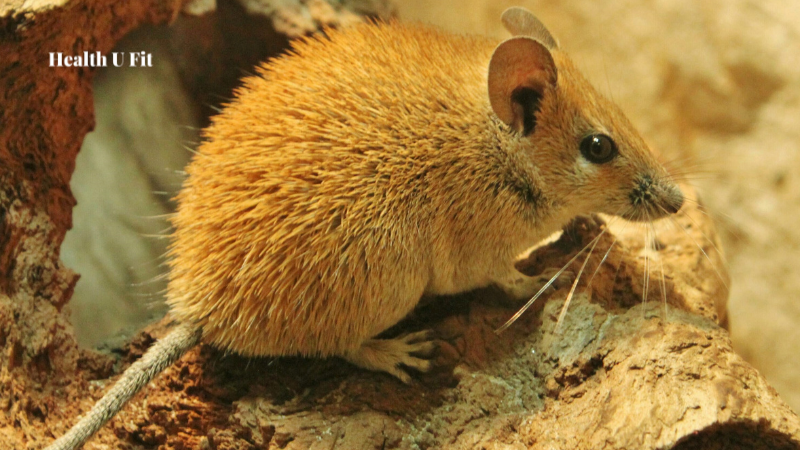
Hantavirus is a group of viruses that can cause severe respiratory and kidney-related illnesses in humans. It is a relatively rare but potentially life-threatening infection that is primarily transmitted from animals to humans. Hantavirus has gained attention due to outbreaks in different parts of the world particularly in rural and semi-rural regions where humans are more likely to come into contact with infected rodents. Understanding hantavirus is important for public health awareness because early detection and prevention can significantly reduce the risk of severe disease.
Table of Contents
Hantavirus
Hantavirus belongs to the family Hantaviridae and is primarily carried by rodents such as mice and rats. Humans usually become infected when they inhale particles contaminated with rodent urine, droppings or saliva. In some cases, bites from infected rodents can also transmit the virus.
There are different types of hantaviruses found across the world. In the Americas, hantaviruses are known to cause Hantavirus Pulmonary Syndrome (HPS), while in Europe and Asia, they are more commonly associated with Hemorrhagic Fever with Renal Syndrome (HFRS).
Each type of hantavirus can affect different organs, but they all share one key characteristic: they originate from rodents and can be transmitted to humans under certain environmental conditions.
How Hantavirus Spreads
Hantavirus does not spread from person to person in most cases. It is a zoonotic disease, meaning it spreads from animals to humans. Rodents such as deer mice, cotton rats and field mice are the main carriers.
Humans can become infected in several ways:
- Inhaling airborne particles contaminated with rodent urine or feces
- Touching contaminated surfaces and then touching the mouth, nose, or eyes
- Being bitten by an infected rodent (rare but possible)
- Cleaning enclosed spaces like barns, sheds, or basements where rodents have been present
Activities such as sweeping or vacuuming contaminated areas can increase the risk because they can release virus particles into the air.
Symptoms of Hantavirus Infection
Symptoms of hantavirus vary depending on the type of virus and the stage of infection. They usually appear 1 to 8 weeks after exposure.
Early Symptoms:
- Fever and chills
- Muscle aches, especially in the thighs, hips, and back
- Fatigue
- Headache
- Nausea and vomiting
- Abdominal pain
Later Symptoms (Severe Cases):
For Hantavirus Pulmonary Syndrome (HPS):
- Severe coughing
- Shortness of breath
- Fluid buildup in the lungs
- Low blood pressure
- Heart and lung failure in severe cases
For Hemorrhagic Fever with Renal Syndrome (HFRS):
- Kidney dysfunction
- Internal bleeding
- Low blood pressure
- Shock in severe cases
Hantavirus infections can worsen rapidly, making early medical attention extremely important.
Types of Hantavirus Diseases
1. Hantavirus Pulmonary Syndrome (HPS)
HPS is mainly found in the Americas, especially in North and South America. It affects the lungs and can lead to severe respiratory failure. The mortality rate can be high if not treated early.
2. Hemorrhagic Fever with Renal Syndrome (HFRS)
HFRS is more common in Europe and Asia. It affects the kidneys and blood vessels, leading to bleeding, kidney failure and shock in severe cases.
Both forms of hantavirus infection require immediate hospitalization and supportive care.
Diagnosis of Hantavirus
Diagnosing hantavirus can be challenging because early symptoms resemble flu or other viral infections. Doctors typically use:
- Blood tests to detect antibodies
- PCR tests to identify viral genetic material
- Medical history, including possible rodent exposure
- Imaging tests in severe respiratory cases
Early diagnosis is critical because the disease can progress quickly.
Treatment Options
There is currently no specific antiviral treatment or vaccine widely available for hantavirus infection. Treatment focuses on supportive care to manage symptoms and prevent complications.
Common treatment methods include:
- Oxygen therapy for breathing difficulties
- Mechanical ventilation in severe respiratory cases
- Dialysis for kidney failure (in HFRS cases)
- Intravenous fluids to maintain blood pressure
- Intensive care monitoring
Early hospitalization significantly improves survival chances.
Prevention of Hantavirus
Prevention is the most effective way to avoid hantavirus infection. Since rodents are the main source of transmission, controlling their presence is essential.
Key prevention measures include:
- Avoiding contact with rodents and their droppings
- Sealing homes to prevent rodent entry
- Properly storing food in rodent-proof containers
- Cleaning contaminated areas with disinfectants instead of sweeping
- Wearing gloves and masks when cleaning rodent-infested spaces
- Maintaining proper hygiene in rural and storage areas
- Reducing clutter where rodents can hide
Public awareness and sanitation play a major role in preventing outbreaks.
Global Impact of Hantavirus
Hantavirus infections are relatively rare but have been reported in various regions, including the United States, Europe, Asia and South America. Outbreaks often occur in rural areas or places with increased rodent populations.
In the United States, cases of Hantavirus Pulmonary Syndrome are rare but often severe. In countries like China and Russia, HFRS has historically been more common due to environmental and ecological conditions.
Climate change, urban expansion, and human encroachment into natural habitats may increase the risk of rodent-human contact in the future, potentially influencing the spread of hantavirus.
Risk Factors
Certain conditions increase the risk of hantavirus infection:
- Living or working in rural or wooded areas
- Exposure to rodent-infested environments
- Poor sanitation and waste management
- Storage of food in open or unprotected areas
- Cleaning old buildings, barns or sheds without protection
Occupations such as farming, forestry and construction may have higher exposure risks.
Public Health Awareness
Raising awareness about hantavirus is crucial for prevention. Education campaigns help people understand how to avoid exposure and recognize early symptoms. Health authorities often emphasize rodent control, safe cleaning practices and early medical consultation in suspected cases. Because hantavirus can progress quickly, awareness and prevention are often more effective than treatment after infection.
Conclusion
Hantavirus is a serious but preventable viral infection that primarily spreads through contact with infected rodents. While cases are relatively rare, the disease can become life-threatening if not treated early. Understanding how it spreads, recognizing symptoms and taking preventive measures are key to reducing risk. With proper sanitation, rodent control and public awareness, the chances of infection can be significantly minimized. Although there is no specific cure yet, supportive medical care can save lives when provided promptly. As human interaction with natural environments increases, continued education and vigilance remain essential in controlling hantavirus and protecting public health.

