

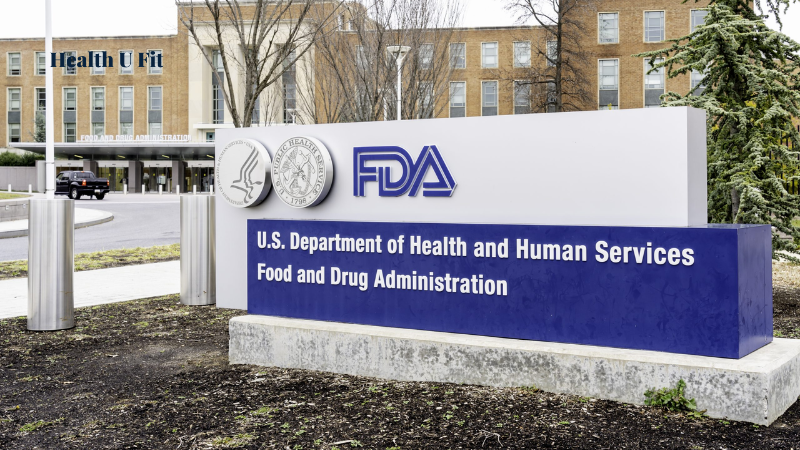
The U.S. Food and Drug Administration will hold a meeting in July with a panel of external advisers to evaluate whether licensed compounding pharmacies should be permitted to produce more than half a dozen widely used peptides.
Peptides are short chains of amino acids that serve as the building blocks of proteins and play essential roles in a wide range of biological functions in the human body.
Read Also – Kimberly-Clark keeps Nelson Urdaneta as CFO of the combined company following its $40 billion acquisition of Kenvue
The peptides being reviewed were part of 14 products that the U.S. Food and Drug Administration, under the Biden administration, prohibited compounding pharmacies from producing in 2023. The decision was based on concerns about potential risks, including immunogenicity, toxicity, and impurities associated with these peptides.
Federal regulators have stated that most of these peptides have not been sufficiently tested in humans and may therefore present potential safety risks.
“If the agency intends to move forward, it needs to manage the transition deliberately. This is, at its core, a supply chain issue,” said Scott Brunner, CEO of Alliance for Pharmacy Compounding in a LinkedIn post.
Brunner said that changing regulations without first confirming the availability of pharmaceutical-grade active ingredients produced under U.S. Food and Drug Administration manufacturing standards would lead to confusion rather than clarity.
Despite limited scientific data on their safety and effectiveness, peptides have become highly popular among online wellness influencers, who frequently promote them for uses such as injury recovery, reducing inflammation, and supporting weight loss.
More recently, peptides have gained popularity within the fitness community, partly fueled by the success of GLP-1–based weight-loss drugs such as semaglutide and tirzepatide.
The FDA’s move also follows public support from Health Secretary Robert F. Kennedy Jr., who recently told the Joe Rogan podcast that he is a “big fan of peptides” and has used them himself with “really good effect.”
On July 23, the committee is expected to review whether compounding pharmacies should be permitted to produce peptides such as BPC-157 for ulcerative colitis, KPV for wound healing and inflammatory conditions, TB-500 for wound healing, and MOTS-c for obesity and osteoporosis.
The following day, the panel will consider additional peptides including emideltide for opioid withdrawal and chronic insomnia, semax for cerebral ischemia, migraine, and certain chronic pain conditions, as well as epitalon for insomnia.

