

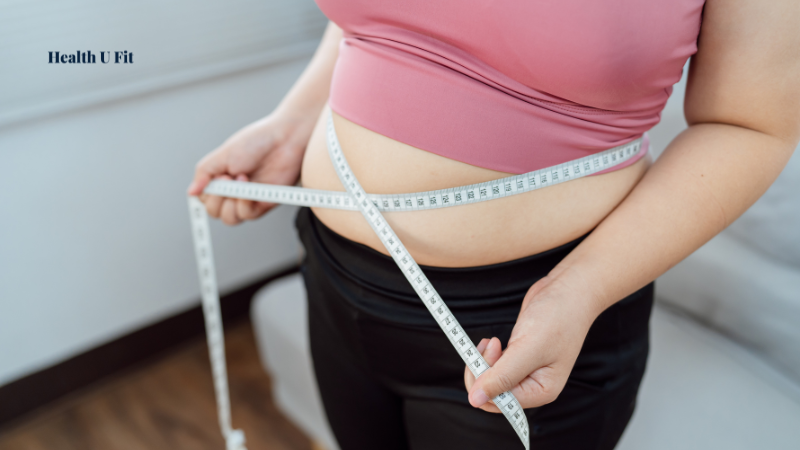
A healthy body fat percentage refers to the proportion of fat in the body that is considered optimal for maintaining proper bodily functions, overall fitness, and long-term health. It includes essential fat, which is necessary for vital processes such as hormone production, organ protection, and temperature regulation as well as stored fat which acts as an energy reserve. The ideal range of body fat varies depending on factors like age, gender and level of physical activity with women typically having higher percentages than men due to biological and reproductive needs.
Maintaining a healthy body fat percentage is important because excessive body fat is linked to various health risks including heart disease, type 2 diabetes, and high blood pressure while too little body fat can lead to hormonal imbalances, fatigue, weakened immunity and other health complications. Unlike body weight or BMI alone, body fat percentage provides a more accurate and detailed understanding of body composition by distinguishing between fat mass and lean mass such as muscles and bones. This makes it a valuable metric for assessing overall health, tracking fitness progress and guiding lifestyle choices related to diet, exercise, and wellness.
Table of Contents
What Is Body Fat Percentage?
Body fat percentage is a measurement that shows how much of your total body weight is made up of fat compared to other components like muscles, bones, organs and water. It includes both essential fat which is necessary for vital body functions such as hormone regulation, protection of organs, and maintaining body temperature, and stored fat, which serves as an energy reserve. Unlike body weight or BMI, body fat percentage provides a more accurate picture of overall health and fitness because it reflects true body composition rather than just total weight. For example, two people may weigh the same but one may have more muscle while the other has more fat, leading to very different health conditions.
- Body fat percentage shows the proportion of fat in your total body weight.
- It includes both essential fat and stored fat.
- It gives a clearer picture of health than weight alone.
- It helps differentiate between fat mass and muscle mass.
- It is useful for tracking fitness and overall body composition.
- Healthy levels vary by age, gender and activity level.
What Is a Healthy Body Fat Percentage?
Healthy body fat levels vary based on gender, age, and activity level. Women naturally have higher body fat percentages than men due to biological and hormonal differences.
For Men:
- Essential fat: 2–5%
- Athletes: 6–13%
- Fitness level: 14–17%
- Average: 18–24%
- Obese: 25% and above
For Women:
- Essential fat: 10–13%
- Athletes: 14–20%
- Fitness level: 21–24%
- Average: 25–31%
- Obese: 32% and above
Staying within a healthy range is important. Too much body fat increases the risk of conditions such as heart disease, type 2 diabetes, and high blood pressure. On the other hand, having too little body fat can lead to hormonal imbalances, weakened immunity, and other health issues.
Why Body Fat Percentage Matters More Than Weight
Many people rely on weight or BMI (Body Mass Index) to judge their health, but these measurements can be misleading. BMI, for example, does not differentiate between muscle and fat. An athlete with high muscle mass might be classified as overweight, even though they are very fit.
Body fat percentage provides a clearer understanding of:
- How much fat your body carries
- Your muscle-to-fat ratio
- Your overall fitness level
- Potential health risks
How Do You Calculate Body Fat Percentage?
There are several ways to measure or estimate body fat percentage. Some methods are simple and affordable while others are more accurate but require specialized equipment.
1. Skinfold Calipers
This method involves pinching the skin at specific points to measure fat thickness. These measurements are then used in formulas to estimate body fat.
- Pros: Affordable and widely available
- Cons: Accuracy depends on the skill of the person taking measurements
2. Bioelectrical Impedance Analysis (BIA)
Commonly found in smart scales and fitness devices, this method sends a small electrical current through the body. Fat resists the current more than muscle allowing the device to estimate body fat.
- Pros: Quick and easy to use at home
- Cons: Results can vary based on hydration and time of day
3. Body Circumference Method
This method uses measurements of the waist, neck, hips (for women) and height to estimate body fat percentage through formulas.
- Pros: Simple and cost-free
- Cons: Less accurate than advanced methods
4. DEXA Scan (Dual-Energy X-ray Absorptiometry)
A highly accurate medical test that measures fat, muscle, and bone density using low-level X-rays.
- Pros: Very precise
- Cons: Expensive and not easily accessible
5. Hydrostatic Weighing
This method involves being submerged in water to measure body density which is then used to calculate body fat.
- Pros: Highly accurate
- Cons: Requires specialized facilities
6. Air Displacement (Bod Pod)
Similar to hydrostatic weighing, this method uses air pressure instead of water to measure body composition.
- Pros: Accurate and comfortable
- Cons: Limited availability
Simple At-Home Estimation Tips
If you don’t have access to advanced tools, you can still track your progress by:
- Measuring waist circumference
- Taking progress photos
- Monitoring how your clothes fit
- Using online body fat calculators
Consistency is more important than perfection. Even if your method is not 100% accurate, using the same method regularly can help you track changes over time.
Tips to Maintain a Healthy Body Fat Percentage
Maintaining a healthy body fat level requires a balanced approach to diet, exercise, and lifestyle.
1. Exercise Regularly
Combine cardio exercises (like running, cycling) with strength training to burn fat and build muscle.
2. Eat a Balanced Diet
Focus on whole foods, including lean proteins, healthy fats, fruits, vegetables, and whole grains.
3. Stay Hydrated
Proper hydration supports metabolism and overall body function.
4. Get Enough Sleep
Poor sleep can affect hormones that regulate hunger and fat storage.
5. Manage Stress
High stress levels can lead to increased fat storage, especially around the abdomen.
Common Mistakes to Avoid
- Relying only on weight instead of body composition
- Expecting instant results
- Using different measurement methods each time
- Ignoring muscle gain while focusing only on fat loss
Conclusion
Body fat percentage is a crucial measure of overall health and fitness, offering a more accurate understanding of body composition than weight alone. It helps distinguish between fat mass and lean mass allowing individuals to better assess their physical condition and potential health risks. Maintaining a healthy body fat percentage is essential, as excessive fat can lead to serious conditions such as heart disease, diabetes and high blood pressure, while too little fat can disrupt hormonal balance, energy levels and immune function. By using various methods ranging from simple at-home measurements to advanced medical techniques individuals can track their body fat levels and make informed decisions about their lifestyle. Ultimately, focusing on a balanced diet, regular exercise, proper rest and consistent monitoring can help achieve and maintain a healthy body fat percentage, supporting long-term well-being and improved quality of life.

