

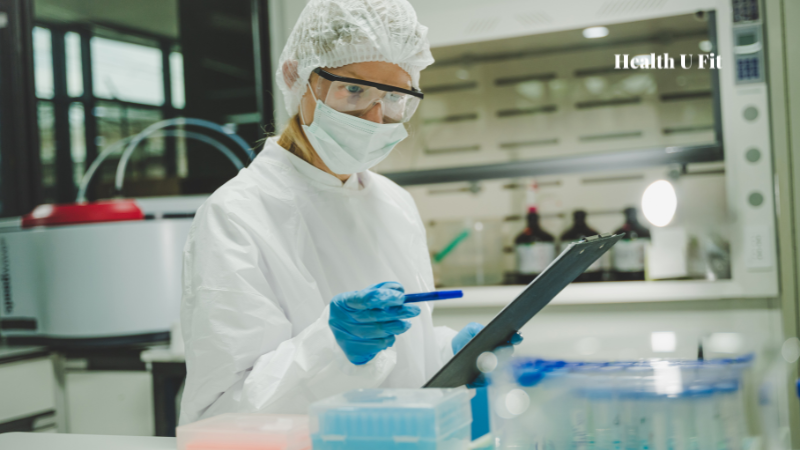
Health divisions within the United Kingdom government and British non-profit organizations have joined forces to support infectious disease trials in Africa, South Asia, and Southeast Asia as the global vaccine landscape continues to evolve.
The National Institute for Health and Care Research (NIHR), the Foreign, Commonwealth & Development Office (FCDO), and the UK-based global health charity Wellcome will jointly lead the initiative to support high-quality clinical trials assessing approved vaccines and treatments for infectious diseases.
The program will focus on high-burden illnesses that pose serious threats to health and life. These include bacterial infections such as Tuberculosis and viral diseases like Dengue, along with invasive fungal infections and lower respiratory and bloodstream infections.
Read Also – Pro-Iran hackers claim responsibility for cyberattack on major U.S. medical device company
According to Lucy Chappell, CEO of the NIHR, investing in quality trials within local communities will allow researchers to “generate the evidence needed to inform policy, improve care and accelerate the uptake of effective vaccines and treatments”.
Florian von Groote, head of clinical research at Wellcome, said the partnership will help demonstrate real-world impact of infectious disease preventatives and treatments.
“Results from controlled trial conditions don’t always translate into real-world impact and evidence is strongest when generated locally. This funding call will support researchers in Africa, South Asia and South‑East Asia to lead clinical trials that generate evidence to inform policy and guideline change – improving outcomes for people most affected by infectious diseases,” he commented.
Alongside the UK’s efforts, the European Union supports a similar initiative through the Global Health EDCTP3 program, which has a budget of €1.84 billion (about $2.13 billion) to fund clinical trials and health research. In December 2025, the EU allocated €147 million to projects focused on developing new or improved treatments for diseases such as Tuberculosis, HIV/AIDS, and lower respiratory tract infections in Sub-Saharan Africa. Later, in February 2026, the bloc pledged an additional €225 million to support the development of next-generation flu vaccines.
However, while some countries are increasing their spending on foreign aid, this trend is not consistent across all high-income nations.
Over the past year, the US has been pulling funding in this area to focus on its domestic health agenda. Under the Trump administration, the US – which was once one of the largest financial contributors to health research worldwide – made significant cuts to its offerings by cancelling 80% of its foreign research and aid projects under the USAID scheme. According to the World Health Organization’s (WHO) director-general, Tedros Adhanom Ghebreyesus, these actions are having a “serious impact on global health”.
The United States officially withdrew from the World Health Organization in January 2026 after its one-year notice period ended. Tedros Adhanom Ghebreyesus said he “deeply regretted” the decision, warning that the impact on public health could extend beyond the U.S. to the rest of the world.

