

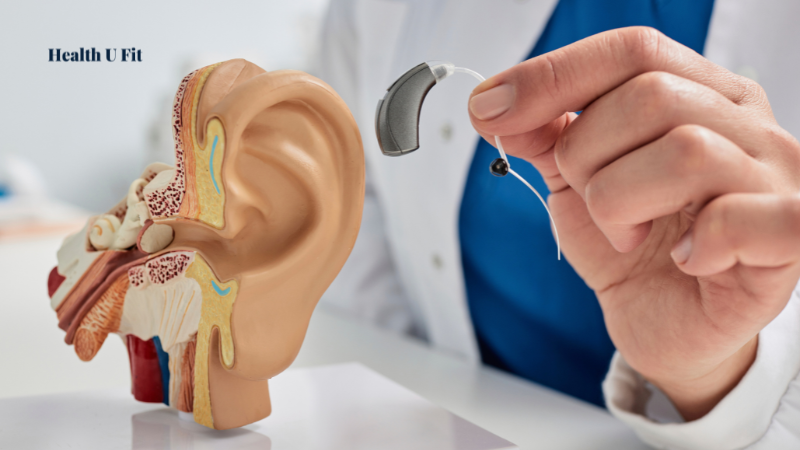
Tinnitus is a common condition in which a person hears sounds such as ringing, buzzing, hissing, or humming without any external source. It is not a disease itself but a symptom of an underlying issue, often related to the ear or hearing system. Tinnitus can be caused by factors such as age-related hearing loss, exposure to loud noises, ear infections, or even stress and certain medical conditions. The sound experienced can vary in intensity and may be constant or come and go, sometimes affecting one ear or both.
While some people experience mild symptoms that do not interfere with daily life, others may find it more disruptive, leading to difficulties with concentration, sleep, and emotional well-being. Although there is no single cure, various treatments and management techniques such as sound therapy, hearing aids, and lifestyle changes can help reduce its impact. With proper care and awareness, many individuals learn to manage tinnitus effectively and maintain a good quality of life.
Table of Contents
Tinnitus
Tinnitus refers to the sensation of hearing sounds that are not caused by an external source. These sounds can vary in pitch and intensity and may be constant or come and go. For some individuals, tinnitus is a mild annoyance, while for others it can significantly interfere with daily life, affecting concentration, sleep and emotional well-being.
Tinnitus is generally classified into two types:
- Subjective tinnitus: The most common form, heard only by the individual.
- Objective tinnitus: A rare form that can sometimes be detected by a doctor during an examination.
Causes of Tinnitus
Tinnitus can result from a wide range of factors, many of which are related to hearing or ear health. Common causes include:
- Hearing Loss – Age-related hearing loss or damage caused by prolonged exposure to loud noise is one of the leading causes. When tiny hair cells in the inner ear are damaged they can send incorrect signals to the brain, leading to tinnitus.
- Exposure to Loud Noise – Regular exposure to loud environments such as concerts, construction sites, or using headphones at high volume, can damage hearing and trigger tinnitus.
- Ear Infections and Blockages – Conditions like earwax buildup, infections or fluid in the ear can change pressure in the ear and lead to tinnitus symptoms.
- Medical Conditions – Certain health issues such as High Blood Pressure, diabetes or circulatory problems can contribute to tinnitus. Disorders affecting the jaw joint, like Temporomandibular Joint Disorder, can also play a role.
- Medications – Some drugs, especially when taken in high doses, may cause or worsen tinnitus. These include certain antibiotics, antidepressants, and anti-inflammatory medications.
Symptoms of Tinnitus
The primary symptom of tinnitus is hearing sound without an external source. However, the experience can differ widely among individuals:
- Ringing in the ears
- Buzzing or humming sounds
- Hissing or whistling noises
- Clicking or pulsing sounds
- Sounds that vary in pitch or loudness
In severe cases, tinnitus may also lead to difficulty sleeping, poor concentration, irritability, anxiety, or depression.
Diagnosis of Tinnitus
Diagnosing tinnitus usually involves a thorough medical and hearing evaluation. Doctors may:
- Review medical history and symptoms
- Conduct hearing tests (audiometry)
- Examine the ears for blockages or infections
- Recommend imaging tests if needed
The goal is to identify any underlying cause that can be treated.
Treatment and Management
There is currently no universal cure for tinnitus, but many treatments can help manage symptoms and improve quality of life.
- Treating Underlying Conditions – If tinnitus is caused by an ear infection, earwax buildup, or another medical issue, treating that condition may reduce or eliminate the symptoms.
- Sound Therapy – Using background noise such as white noise machines, fans or calming music can help mask tinnitus sounds and make them less noticeable.
- Hearing Aids – For people with hearing loss, hearing aids can amplify external sounds, reducing the prominence of tinnitus.
- Cognitive Behavioral Therapy (CBT) – CBT helps individuals change their response to tinnitus, reducing stress and improving coping strategies.
- Lifestyle Changes – Managing stress, reducing caffeine and alcohol intake and maintaining a healthy routine can help control symptoms.
- Medications – While no specific drug cures tinnitus, some medications may help reduce related symptoms like anxiety or sleep problems.
Preventing Tinnitus
While not all cases are preventable, certain steps can reduce the risk:
- Avoid prolonged exposure to loud noise
- Use ear protection in noisy environments
- Keep headphone volume at safe levels
- Maintain overall health and manage chronic conditions
- Get regular hearing check-ups
- Living with Tinnitus
Living with tinnitus can be challenging, especially when symptoms are persistent. However, many people learn to manage the condition effectively over time. Support from healthcare professionals, counseling and lifestyle adjustments can make a significant difference.
Practicing relaxation techniques such as meditation, deep breathing, or yoga can help reduce the emotional impact of tinnitus. Staying engaged in activities and maintaining a positive mindset also play an important role in coping.
Conclusion
Tinnitus is a common condition that can affect people in different ways, ranging from mild inconvenience to serious disruption in daily life. Although it is not a disease itself, it often signals underlying issues such as hearing loss, exposure to loud noise, or other health conditions. Understanding its causes and symptoms is the first step toward managing it effectively. While there is no single cure for tinnitus, many treatments and coping strategies can help reduce its impact. From sound therapy and hearing aids to lifestyle changes and stress management, individuals can find ways to improve their comfort and quality of life. Early attention and proper care play an important role in preventing the condition from worsening.
FAQs
What is Tinnitus?
Tinnitus is the sensation of hearing sounds like ringing, buzzing, or hissing when no external sound is present. It is usually a symptom of an underlying issue rather than a condition on its own.
What causes Tinnitus?
Common causes include hearing loss, exposure to loud noise, ear infections, earwax buildup, and certain health conditions like High Blood Pressure. Stress and some medications can also contribute.
Can stress make tinnitus worse?
Yes, stress can increase the intensity of tinnitus. Managing stress through relaxation techniques can help reduce symptoms.
Does tinnitus affect sleep?
Yes, tinnitus can make it difficult to fall asleep or stay asleep, especially if the sound is constant or loud.

