

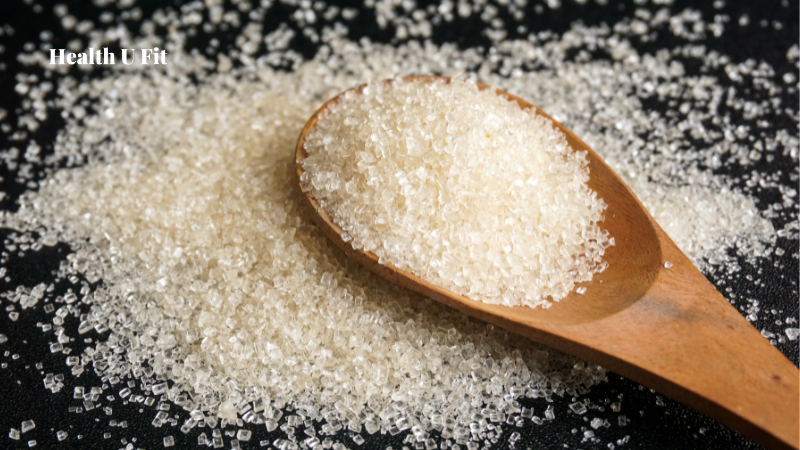
Sucralose is a popular artificial sweetener used as a sugar substitute in many foods and beverages. It is made by modifying regular sugar (sucrose) through a chemical process that replaces some of its components, making it much sweeter about 600 times sweeter than sugar while containing little to no calories. Because the body does not fully absorb sucralose, it passes through without being used for energy, which is why it is commonly found in “sugar-free” or “diet” products such as soft drinks, desserts, chewing gum and baked goods.
One of its key advantages is that it remains stable at high temperatures making it suitable for cooking and baking. Sucralose is approved for use by food safety authorities in many countries and is generally considered safe when consumed in moderate amounts. It is especially popular among people who want to reduce calorie intake, manage weight or control blood sugar levels such as individuals with diabetes. However, like many artificial sweeteners, it is sometimes debated, and some people prefer to limit its use due to concerns about long-term health effects.
Table of Contents
Sucralose
Sucralose is an artificial sweetener that is widely used as a substitute for sugar in many food and beverage products. It is created by chemically modifying regular sugar (sucrose), which makes it extremely sweet about 600 times sweeter than normal sugar while containing little to no calories. Because the body does not fully absorb sucralose, it passes through the digestive system without being used for energy making it a popular choice for people who want to reduce calorie intake or manage blood sugar levels.
Sucralose is commonly found in products such as diet soft drinks, sugar-free desserts, chewing gum and low-calorie snacks. One of its main advantages is that it remains stable even at high temperatures so it can be used in cooking and baking without losing its sweetness. It is approved by food safety authorities in many countries and is generally considered safe when consumed in moderate amounts, although some people prefer to limit its use due to ongoing discussions about its long-term health effects.
Effects on Blood Sugar and Insulin
Sucralose usually has little to no direct impact on blood sugar levels, which is why it is commonly used as a sugar substitute, especially by people with diabetes or those trying to cut calories. Since the body does not fully absorb it and it contains almost no calories, it does not raise blood sugar the way regular sugar does. This makes it a good option for keeping blood sugar levels stable. Sucralose may have a small indirect effect on insulin levels. When consumed regularly or in large amounts it might slightly change how the body responds to glucose or increase insulin levels a little, especially in those who are not used to artificial sweeteners. The overall effect can vary depending on a person’s diet, metabolism and health condition.
- Does not significantly raise blood sugar
- May cause a small insulin response in some people
- Effects can vary from person to person
- Generally safe in moderate amounts
Baking with sucralose can be harmful
Baking with sucralose may not always be completely safe especially when used at very high temperatures. Although sucralose is often called heat-stable and is used in cooking and baking some studies suggest that high heat can break it down and form potentially harmful substances. In certain conditions, heating sucralose may create compounds that could raise health concerns if used often over time.
The level of risk depends on factors like the temperature, cooking method, and how frequently it is used. Using sucralose occasionally in baking is generally considered safe but regular use at very high temperatures may not be the best choice. Because of this, some experts suggest using sucralose mainly in cold foods or drinks or choosing other sweeteners for baking.
Does sucralose affect gut health?
Sucralose may affect gut health, but its exact impact is still not fully understood. The gut contains helpful bacteria that support digestion, immunity and overall health. Some studies suggest that eating sucralose especially in large amounts or over a long time may change the balance of these good bacteria. Sucralose has been linked to a reduction in beneficial bacteria and changes in how the gut works, which could affect digestion or metabolism. However, other studies show little or no major effect, especially when it is consumed in moderate amounts. Sucralose is considered safe for most people when used in moderation, but using too much for a long time may have some impact. It is a good idea to limit intake and follow a balanced diet that supports healthy gut bacteria.
- May affect gut bacteria balance in some cases
- Effects are still being researched and not fully confirmed
- High or long-term use may have more impact
- Moderate consumption is generally considered safe
Does Sucralose Make You Gain or Lose Weight?
Sucralose does not directly cause weight gain or weight loss because it has almost no calories and is not fully absorbed by the body. This means it does not provide energy like regular sugar, which is why it is often used in diet or low-calorie products. Replacing sugar with sucralose can help people reduce calorie intake and support weight control. Its effect on weight can be different for each person. Some studies suggest that artificial sweeteners like sucralose may increase cravings for sweet foods or cause people to eat more later, which could lead to weight gain. On the other hand, some people find it helpful for sticking to a low-calorie diet and losing weight. Sucralose does not automatically make you gain or lose weight it depends on your overall diet, eating habits, and lifestyle.
- Contains almost zero calories
- Does not directly cause weight gain
- Can help with weight loss if it replaces sugar
- May increase sweet cravings in some people
- Effect depends on overall eating habits
Is Sucralose Safe?
Sucralose is generally considered safe for most people when used in moderate amounts. It has been approved by major food safety organizations like the U.S. Food and Drug Administration and the World Health Organization after thorough testing. These organizations have also set a safe daily limit, known as the acceptable daily intake (ADI), which shows how much can be consumed regularly without harmful effects. One reason sucralose is widely used is that it has almost no calories and does not significantly affect blood sugar levels, making it a good option for people with diabetes or those trying to cut down on sugar.
It is also stable under normal cooking conditions and is commonly found in products like diet drinks, baked goods, and sugar-free foods. Some studies have raised concerns about long-term or excessive use. These include possible effects on gut bacteria, slight changes in insulin response in some people, and the formation of certain compounds when heated at very high temperatures. While these effects are not fully proven in humans, they suggest that it is best to use sucralose in moderation.
Conclusion
Sucralose is a widely used artificial sweetener that offers a convenient way to reduce sugar and calorie intake without sacrificing sweetness. Its ability to provide intense sweetness with almost no calories and minimal impact on blood sugar levels makes it especially useful for people managing weight or conditions like diabetes. Backed by approvals from major health authorities, sucralose is generally considered safe when consumed within recommended limits. However, like many food additives, it is not completely free from concerns. Some studies suggest possible effects on gut health, insulin response and changes when exposed to very high heat although these findings are not yet fully confirmed in humans. Sucralose can be a helpful alternative to sugar when used in moderation as part of a balanced diet but relying on it excessively or as a complete replacement for natural foods may not be ideal. A mindful and moderate approach is the best way to include sucralose safely in everyday life.
FAQs
What is sucralose?
Sucralose is an artificial sweetener that is about 600 times sweeter than sugar and contains almost no calories. It is commonly used in diet and sugar-free products.
What are the main benefits of sucralose?
It helps reduce calorie intake, does not significantly raise blood sugar levels, and is suitable for people with diabetes or those trying to manage weight.
Does sucralose have any side effects?
Most people can use it safely, but some may experience mild issues like digestive discomfort. There are also concerns about long-term use, though they are not fully proven.
Does sucralose affect gut health?
Some studies suggest it may alter gut bacteria, but results are mixed and still being researched.

