

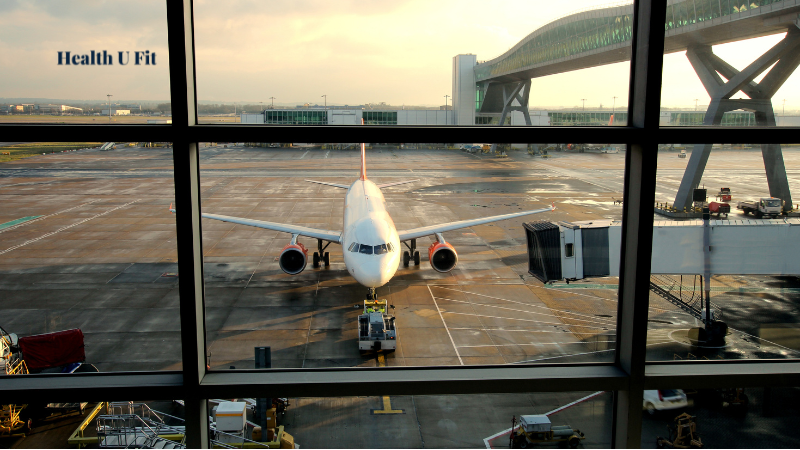
The ongoing conflict in the Middle East is disrupting the supply of important medicines to Gulf countries, putting the delivery of critical treatments such as cancer drugs at risk. Many of these medicines require strict temperature control during transportation, making delays or route changes especially challenging. According to industry executives, pharmaceutical companies are being forced to reroute flights and search for alternative land routes to move medical supplies into the region.
The conflict began after military strikes by the United States and Israel on Iran two weeks ago, followed by Iranian retaliatory strikes across the region. As tensions escalated, several major air transit hubs and shipping routes were disrupted or temporarily closed. This has created serious challenges for transporting goods, affecting not only medicines but also other essential supplies such as food and oil.
Read Also – China Approves World’s First Commercial Brain-Computer Interface Medical Device
Although there are currently few signs of major medicine shortages, industry executives warn that the situation could worsen if the conflict continues for a longer period. Countries in the Gulf region depend heavily on imported medicines, and many of these drugs have a short shelf life and must be stored in strict cold-chain conditions. This means they need to be transported at controlled temperatures, which makes long overland journeys more difficult and less practical.
Executives from Western pharmaceutical companies said they are now searching for alternative routes to deliver medicines into the Gulf. In some cases, companies are flying shipments to airports such as Jeddah and Riyadh, and then transporting the drugs by truck across the region. Other possible entry points being considered include Istanbul and Oman.
At the same time, several major airports in the region such as Dubai, Abu Dhabi, and Doha—have faced disruptions or temporary closures following strikes by Iran in response to attacks by the United States and Israel. These airports normally serve as major global cargo hubs that connect Europe with Asia and Africa. Airlines such as Emirates and Etihad Airways, along with logistics companies like DHL, play a key role in transporting temperature-sensitive medicines that must remain within a narrow temperature range to stay safe and effective.
Wouter Dewulf, a professor at Antwerp Management School, pointed to industry data showing that more than one-fifth of global air cargo is exposed to disruptions in the Middle East. Air transport is the main way to move critical and life-saving medicines, including drugs and vaccines, so any disruption in this region can have a significant impact on global medical supply chains.
One industry executive explained that creating alternative cold-chain corridors—special temperature-controlled routes used to transport sensitive medicines—cannot be done quickly. These routes require proper infrastructure and handling systems, and in many areas they may not be immediately available.
Another pharmaceutical company executive said their organization had formed internal teams to prioritize shipments that are essential for patients, including cancer treatments. The executive also warned that some temperature-controlled deliveries could miss their connecting flights if proper storage facilities and handling arrangements were not secured along the route.
A senior executive from a medical device company added that the first step during such disruptions is to track and review shipments that are already in transit or ready to leave. After mapping these shipments, companies decide which cargo pallets need to be redirected and whether new shipments should be rescheduled or planned using alternative routes.
The executive, who like others spoke on condition of anonymity to discuss internal operations, said some Europe-Asia cargo that typically move through Dubai or Doha airports was being rerouted via China or Singapore. Sea routes were not practical due to longer journey times, as well as closure of the critical Strait of Hormuz by Iran.
“If you have an urgent surgery with a patient waiting for treatment, you have to choose the faster mode of transport,” the executive said.

