

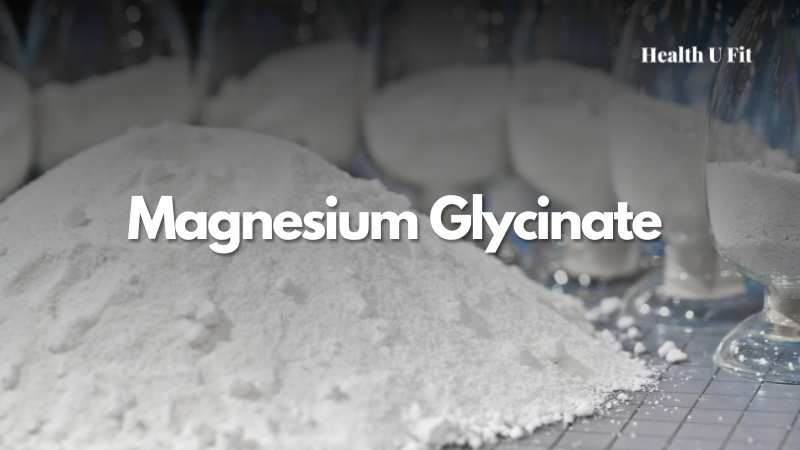
Magnesium glycinate is a form of magnesium that is made by combining magnesium with glycine, an amino acid that has calming effects. It is easy for the body to absorb and is commonly taken as a supplement to support overall health. It helps with muscle function, nerve health, heart rhythm, and strong bones. This form of magnesium is gentle on the stomach and usually does not cause digestive problems, making it a good option for long-term use.
Many people take magnesium glycinate to reduce muscle cramps, sleep better, manage stress and anxiety, and feel more relaxed. It may also help control blood pressure, support healthy blood sugar levels and improve energy by helping the body’s cells work properly. Because it is well absorbed and soothing, magnesium glycinate is a popular choice for people who want to correct magnesium deficiency or improve their overall well-being.
Table of Contents
Magnesium Glycinate
Magnesium glycinate is a well-absorbed and gentle form of magnesium supplement made by binding magnesium to glycine, an amino acid that supports relaxation and nervous system health. This combination allows the mineral to be more easily absorbed by the body while also reducing the risk of digestive discomfort that can occur with other forms of magnesium. It plays an important role in many essential bodily functions, including muscle contraction and relaxation, nerve signaling, heart rhythm regulation, bone development, and energy production.
Magnesium glycinate is commonly used to help relieve muscle cramps, reduce stress, support better sleep quality, and promote a sense of calm due to the soothing properties of glycine. It may also contribute to maintaining healthy blood pressure levels and balanced blood sugar, while supporting overall metabolic and cellular function. Because of its high bioavailability and mild effect on the stomach, magnesium glycinate is often recommended for individuals who need consistent magnesium supplementation to correct deficiency or improve overall health and well-being.
Benefits of Magnesium Glycinate
- Supports Better Sleep – Helps relax the body and mind, making it easier to fall asleep and improve sleep quality.
- Reduces Stress and Anxiety – The combination of magnesium and glycine promotes calmness and supports healthy nervous system function.
- Relieves Muscle Cramps and Tension – Helps relax muscles and may reduce cramps, spasms, and muscle soreness.
- Gentle on the Stomach – Less likely to cause diarrhea or digestive discomfort compared to other forms of magnesium.
- Supports Heart Health – Helps maintain a steady heart rhythm and supports healthy blood pressure levels.
- Promotes Bone Strength – Works with calcium and vitamin D to support strong and healthy bones.
- Improves Energy Production – Plays a key role in converting food into energy and supporting proper cellular function.
- May Help Regulate Blood Sugar – Supports healthy glucose metabolism and insulin function.
- Corrects Magnesium Deficiency – Highly absorbable form that effectively raises magnesium levels in the body.
Uses of Magnesium Glycinate Supplements
- Treating Magnesium Deficiency – Commonly used to restore low magnesium levels in the body.
- Improving Sleep Quality – Taken to promote relaxation and support deeper, more restful sleep.
- Managing Stress and Anxiety – Helps calm the nervous system and reduce feelings of tension.
- Relieving Muscle Cramps and Spasms – Used by people who experience frequent cramps, muscle tightness, or restless legs.
- Supporting Heart Health – Helps maintain a healthy heart rhythm and normal blood pressure levels.
- Promoting Bone Health – Supports bone strength when combined with calcium and vitamin D.
- Helping with PMS Symptoms – May reduce mood swings, cramps, and discomfort related to premenstrual syndrome.
- Supporting Blood Sugar Balance – Sometimes used to help maintain healthy glucose levels.
- Reducing Migraine Frequency – May help lower the frequency or intensity of migraines in some individuals.
Natural Sources of Magnesium
Magnesium is found in many different foods.
The best sources of magnesium are natural, unprocessed foods such as:
- dark green leafy vegetables, such as Swiss chard and spinach
- nuts and seeds, such as pumpkin seeds, chia seeds, and sesame seeds
- seaweed
- beans and lentils
- whole, unrefined grains
- fruits, such as bananas, dried figs, and blackberries
- fish, especially halibut
Whenever possible, choose foods grown in healthy, organic soil. Soil that is rich in nutrients usually produces foods with higher mineral content. In some cases, modern farming practices use soil that lacks important nutrients, which means certain fresh fruits and vegetables may contain lower amounts of minerals, including magnesium.
Risks of Taking Magnesium
Although magnesium supplements are generally safe for healthy adults, it is important to consult a doctor before starting them. A healthcare professional can help determine the right daily dose based on your individual needs.
Here are some precautions to follow when considering magnesium supplements:
- When choosing a supplement, always check the amount of elemental magnesium listed on the label. This tells you how much actual magnesium you are getting.
- Buy supplements from a trusted and reputable source, as supplements are not strictly reviewed for safety or effectiveness.
- Speak with a healthcare professional if you have heart or kidney problems before taking magnesium.
- If you are taking antibiotics or other medications, ask a healthcare professional about possible interactions and whether magnesium could affect how your medications are absorbed.
Conclusion
Magnesium Glycinate is a highly absorbable and gentle form of magnesium that offers a wide range of health benefits. By combining magnesium with the calming amino acid glycine, this supplement not only supports essential bodily functions such as muscle movement, nerve signaling, heart rhythm and bone strength but also promotes relaxation and better sleep. It is especially valued for being easy on the stomach, making it suitable for long-term use compared to some other forms of magnesium that may cause digestive discomfort. Many people use magnesium glycinate to help manage stress, reduce muscle cramps, improve sleep quality, and correct magnesium deficiency. When taken in appropriate amounts and under medical guidance if needed, it can be a safe and effective way to support overall health and well-being as part of a balanced diet and healthy lifestyle.
FAQs
What is magnesium glycinate?
Magnesium glycinate is a form of magnesium supplement made by combining magnesium with glycine, an amino acid that helps promote relaxation and better absorption.
Is magnesium glycinate better than other forms of magnesium?
Magnesium glycinate is considered one of the best forms because it is highly absorbable and gentle on the stomach, causing fewer digestive side effects.
Can I take magnesium glycinate with other medications?
Magnesium can interact with certain medications, including antibiotics and diuretics. Always consult a healthcare professional before combining supplements with medications.
Can magnesium glycinate be taken daily?
Yes, it is commonly taken daily, especially for individuals with magnesium deficiency, but it should be used in appropriate doses.

