

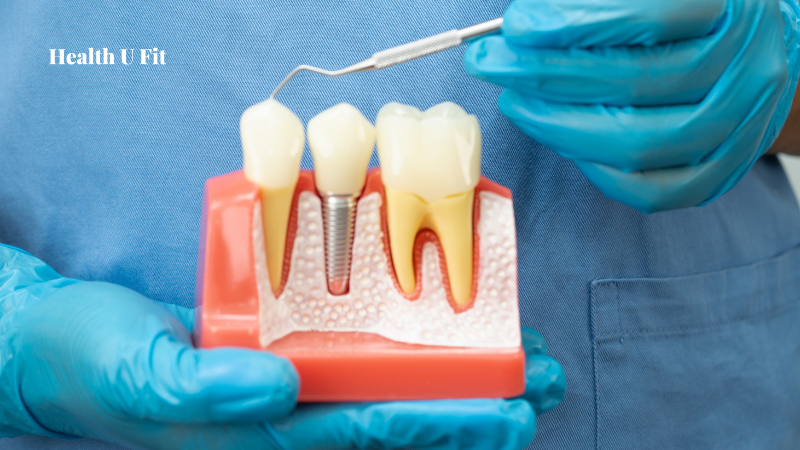
Root canal treatments are among the most common dental procedures performed to save a tooth that is severely decayed or infected. While modern dentistry considers root canals safe and effective, there has been ongoing debate about whether they could contribute to chronic health issues in some individuals. Critics suggest that bacteria remaining in the treated tooth or surrounding tissues might enter the bloodstream, potentially triggering inflammation or affecting other parts of the body.
Some studies have explored possible links between root canals and systemic conditions such as heart disease, autoimmune disorders or chronic fatigue, though the evidence remains inconclusive. On the other hand, dental and medical experts generally maintain that root canal therapy, when performed correctly, does not pose significant long-term health risks and is preferable to tooth extraction which can lead to additional complications. Understanding the potential connection between root canals and chronic health issues requires careful consideration of individual health conditions, oral hygiene practices and the overall immune response.
Table of Contents
What Potential Problems Can a Root Canal Cause?
A root canal could potentially cause trouble due to the complex nature of the procedure and the way bacteria interact with the treated tooth and surrounding tissues. During a root canal, the dentist removes infected or damaged pulp from inside the tooth, cleans the root canals and then seals them to prevent further infection. While this process is designed to eliminate bacteria and save the tooth, it is not always perfect. Some microscopic bacteria or toxins can remain trapped within the intricate network of canals, particularly in teeth with unusual anatomy or hard-to-reach branches.
These residual bacteria may trigger localized inflammation, leading to discomfort, persistent infection, or abscess formation. Some researchers suggest that bacterial remnants in a “dead” tooth could, in rare cases, enter the bloodstream, potentially contributing to systemic immune responses or low-grade inflammation in other parts of the body. Factors such as a patient’s immune system, pre-existing health conditions or oral hygiene can influence the likelihood of complications. While such issues are uncommon, they highlight why careful treatment, follow-up care, and monitoring are essential to minimize any potential risks associated with root canal therapy.
What Issues Could Arise from Your Root Canal?
A root canal leaves a treated tooth, which is essentially a “dead” organ, inside your body, and this can sometimes have serious consequences. Teeth are living structures with a natural blood supply, and although nerve endings are removed during a root canal so pain is not felt infections can still develop beneath the tooth. These infections may spread into the bloodstream, allowing bacteria and toxins to circulate throughout the body. Toxins from the mouth can travel via the lymphatic system, potentially affecting organs such as the throat and heart.
The health issues most commonly associated with root canals include:
- Heart and circulatory diseases.
- Chronic inflammation, including arthritis and rheumatoid arthritis.
- Disorders affecting the brain and nervous system.
Root Canal and Cardiovascular Diseases
Root canals, while designed to save damaged or infected teeth, have occasionally been linked to concerns about cardiovascular health. The procedure removes the tooth’s nerve and pulp effectively leaving a “dead” tooth in the body. Although modern dentistry ensures that the canals are cleaned and sealed, microscopic bacteria can sometimes remain in hard-to-reach areas. These bacteria may produce toxins that enter the bloodstream, creating a potential pathway for inflammation or infection to affect the heart and circulatory system.
Studies have suggested that chronic oral infections including those originating from treated or untreated root canal teeth could contribute to cardiovascular diseases such as atherosclerosis, heart attacks, or strokes, although direct causation remains a subject of ongoing research. The connection highlights the importance of maintaining excellent oral hygiene, monitoring for any signs of persistent infection after a root canal, and consulting healthcare professionals to mitigate potential risks to heart health. While root canals are generally considered safe, individuals with pre-existing heart conditions or compromised immune systems should remain vigilant and discuss any concerns with both their dentist and cardiologist.
Root Canal and type-2 Diabetes
Root canals and type-2 diabetes share an important connection through the role of oral health in systemic conditions. People with type-2 diabetes are more prone to infections due to impaired immune function and slower wound healing. When a root canal is performed, the treated tooth is left as a “dead” organ in the body and while the procedure removes the infected pulp, residual bacteria may remain in microscopic canals. In diabetic patients, these bacteria can more easily trigger localized infections that may spread or cause low-grade inflammation, potentially worsening glycemic control.
Chronic oral infections, including those linked to root canal-treated teeth have been associated with higher blood sugar levels and may increase the risk of complications such as cardiovascular issues and neuropathy in people with diabetes. It is especially important for individuals with type-2 diabetes to maintain strict oral hygiene, attend regular dental checkups and monitor for any signs of infection following a root canal. Collaboration between dental and medical professionals can help minimize risks and ensure that oral treatments do not adversely affect overall health and diabetes management.
Do All Root Canals Carry Health Risks?
Whether a root canal poses a health risk largely depends on the strength and resilience of your immune system. Scientific studies suggest that virtually all root canals carry some level of infection risk but the body’s response to these toxins varies from person to person. Some individuals are naturally more resilient, while others may be more vulnerable, and environmental factors that increase the overall toxic load can also influence outcomes.
Research has repeatedly shown that nearly 100% of root canals have the potential to harbor pathogens internally. Beyond bacterial infection, root canals can affect health due to procedural or material-related issues, including:
- Toxicity of Fillings: If the filling material contains toxic substances, such as amalgam (a metal mixture including mercury), chronic exposure could trigger allergic reactions or other health concerns over time.
- Imperfect Seal: Proper sealing of the root canal is a delicate process. Too little or too much filling material can allow bacteria to penetrate the tooth, potentially causing a new infection.
- Broken Instruments: Though rare, instruments can sometimes break during the procedure. Fragments left inside the tooth or gums may lead to unwanted lesions or complications if not managed carefully.
Undetected Infections: In some cases, an infection at the root canal site may not appear on standard X-rays, allowing it to progress unnoticed. Advanced imaging such as CT scans can detect these hidden issues, though they are more expensive.
While root canals can save teeth, they are not without potential risks, and proper care, monitoring and high-quality dental procedures are essential to minimize complications.
Conclusion
While root canals are widely performed to save damaged teeth and relieve pain, they can carry potential risks that may affect overall health. Because the treated tooth is no longer a living structure, it can harbor bacteria and toxins that, in some cases may enter the bloodstream or lymphatic system, potentially contributing to chronic health issues. The severity of these risks often depends on individual immune system strength, the quality of the root canal procedure and other environmental or health factors. Although not everyone with a root canal will experience complications, it is important to monitor oral health closely, seek high-quality dental care and remain aware of any signs of infection or systemic effects. Ultimately, understanding these risks allows patients to make informed decisions and maintain a balance between preserving their teeth and protecting their long-term health.

