

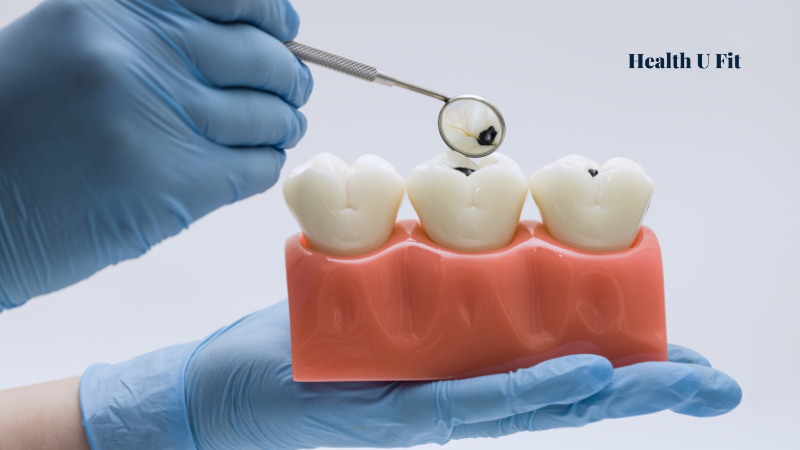
Dental cavities, also known as tooth decay or caries are one of the most common oral health problems worldwide. Many people treat cavities as a minor inconvenience a small hole in a tooth that causes occasional pain or sensitivity. Cavities are more than just a dental nuisance. If left untreated, they can lead to a wide range of health problems affecting not only your teeth and gums but also your overall physical well-being. Understanding how cavities develop and the potential consequences they carry is essential for maintaining both oral and general health.
What Causes Cavities?
Cavities are caused by a combination of bacteria, sugar, and poor oral hygiene. The mouth naturally hosts millions of bacteria, some of which produce acids when they digest sugars from the food and drinks we consume. These acids gradually erode the enamel the hard outer layer of the teeth leading to decay. Factors that increase the risk of cavities include :
- Frequent consumption of sugary or acidic foods and beverages
- Inadequate brushing and flossing
- Dry mouth which reduces saliva’s protective effects
- Certain medical conditions or medications that weaken teeth or alter saliva production
- Genetics which can affect enamel strength and susceptibility to decay
While cavities often begin small, they can progress into deeper layers of the tooth eventually reaching the dentin and pulp where nerves and blood vessels reside. It is at these deeper stages that cavities start to pose serious health risks.
Oral Health Problems Linked to Cavities
The most immediate consequences of untreated cavities are oral health issues, including:
- Toothache and Sensitivity: Cavities can cause sharp pain or discomfort, especially when eating hot, cold, or sweet foods.
- Infection and Abscess Formation: If decay reaches the pulp, bacteria can infect the inner tissues of the tooth, leading to abscesses a painful collection of pus that may spread to surrounding tissues.
- Tooth Loss: Severe decay can compromise the structural integrity of a tooth, making it necessary to extract the tooth to prevent further complications.
- Gum Disease: Cavities can exacerbate or contribute to gingivitis and periodontitis which further harm oral tissues and bone supporting the teeth.
Systemic Health Problems Caused by Cavities
While cavities begin in the mouth, their effects can extend far beyond oral health. Research increasingly shows a strong link between oral infections and systemic conditions. Some health problems associated with untreated cavities include:
- Cardiovascular Disease: Chronic oral infections, including those caused by untreated cavities, can contribute to inflammation in blood vessels increasing the risk of heart disease, heart attack and stroke.
- Diabetes Complications: Poor oral health can make it harder to control blood sugar levels creating a two-way relationship where diabetes worsens oral health and oral infections complicate diabetes management.
- Respiratory Infections: Bacteria from the mouth can be inhaled into the lungs potentially causing infections such as pneumonia particularly in vulnerable populations like the elderly.
- Pregnancy Complications: Severe gum disease and untreated dental infections have been linked to premature birth and low birth weight in infants.
- Sepsis: In rare and extreme cases, a dental abscess caused by a cavity can allow bacteria to enter the bloodstream, leading to a life-threatening systemic infection known as sepsis.
Role of Prevention
The good news is that cavities and their potential health consequences are largely preventable. Effective oral care can minimize the risk of tooth decay and related health problems. Key preventive measures include:
- Brushing teeth twice daily with fluoride toothpaste
- Flossing daily to remove food particles and plaque between teeth
- Reducing the intake of sugary and acidic foods
- Visiting the dentist regularly for check-ups and professional cleanings
- Using dental sealants or fluoride treatments if recommended by a dentist
Treatment Options
If cavities develop despite preventive measures, timely treatment can prevent further complications. Treatment options vary depending on the severity of the decay:
- Fillings: Minor cavities can be treated with dental fillings to restore tooth structure.
- Crowns: Larger cavities may require crowns to cover and protect the remaining tooth.
- Root Canals: If the decay reaches the pulp a root canal can remove infected tissue and save the tooth.
- Extraction: In cases of severe damage or infection removing the tooth may be necessary to prevent the spread of infection.
Conclusion
Cavities are not just a dental issue they can have serious repercussions for your overall health. Left untreated they can lead to infections, tooth loss and even systemic problems affecting the heart, lungs, blood sugar regulation, and more. The connection between oral health and general health is undeniable emphasizing the importance of regular dental care, proper oral hygiene and a balanced diet. By preventing cavities and addressing them promptly when they occur individuals can protect not only their teeth but also their long-term health and well-being. In essence, maintaining good oral health is an investment in your total health.

