

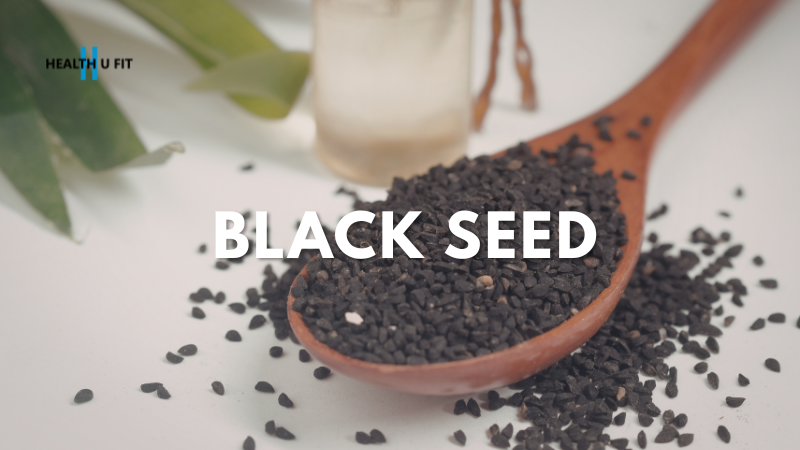
Nigella sativa is also known as black seed is the plant from which black seed oil is made. The oil is taken from its small black seeds and has been used in traditional medicine for many centuries. It is commonly found in South Asia, the Middle East, and parts of Eastern Europe. Black seed oil is popular because it contains a natural compound called thymoquinone, which has antioxidant and anti-inflammatory effects. People traditionally use it to support the immune system, improve digestion, and promote healthy skin and hair.
It is also sometimes used to help with allergies, asthma, and mild joint pain. Some research suggests that black seed oil may help manage blood sugar, cholesterol levels and heart health but more studies are needed to confirm these benefits. It is available in liquid and capsule forms and can be taken by mouth or applied to the skin. Although it is generally safe when used properly, taking too much may cause stomach upset or allergic reactions, so it’s best to speak with a healthcare professional before using it regularly, especially if you have health conditions or take other medicines.
Table of Contents
Black Seed
Black Seed is a small flowering plant whose tiny black seeds have been used for centuries in traditional medicine and cooking. Native to parts of South Asia, the Middle East, and Eastern Europe, black seed has long been valued for its potential health benefits and is sometimes referred to as a “healing seed” in ancient herbal practices. The seeds contain active compounds such as thymoquinone which is known for its antioxidant and anti-inflammatory properties.
Black Seed has been used to support the immune system, improve digestion, promote respiratory health, and enhance skin and hair condition. It is commonly consumed as whole seeds, ground powder, or in the form of black seed oil. While modern research suggests that black seed may help support heart health, blood sugar balance and overall wellness, more scientific studies are needed to fully confirm its effectiveness. Generally considered safe when used in moderate amounts, black seed remains a popular natural remedy around the world.
Black Seed vs. Black Cumin
Although the names are often used interchangeably, black seed and black cumin are not always the same plant. The confusion happens because different regions use similar names for different seeds.
| Feature | Black Seed (Nigella sativa) | Black Cumin (Bunium bulbocastanum) |
| Common Names | Black seed, black cumin, kalonji | Black cumin, kala jeera |
| Plant Family | Ranunculaceae | Apiaceae (same family as cumin & carrot) |
| Seed Shape | Small, triangular, matte black | Thin, elongated, dark brown/black |
| Taste | Slightly bitter, peppery | Earthy, nutty, similar to regular cumin |
| Main Use | Traditional medicine & cooking | Mostly culinary spice |
| Health Benefits | Known for medicinal properties (immune, digestion, anti-inflammatory) | Primarily used for flavor; limited medicinal use |
How to Use Black Seed
Black seed can be used in several simple ways depending on whether you want it for health benefits or cooking.
1. Eating Whole Seeds
- Take ½ to 1 teaspoon daily.
- You can swallow them with water or chew them lightly.
- Often taken in the morning on an empty stomach.
2. Ground Black Seed
- Grind the seeds into powder.
- Mix into warm water, milk, or honey.
- Can also be added to smoothies or yogurt.
3. Black Seed Oil
- Take ½ to 1 teaspoon daily.
- Can be mixed with honey or warm water.
- Capsules are also available for easier use.
4. In Cooking
- Sprinkle seeds on bread, curries, salads or soups.
- Commonly used in Indian and Middle Eastern dishes.
- Lightly roast to enhance flavor.
5. For Skin and Hair
- Mix black seed oil with coconut or olive oil.
- Apply to scalp for hair care.
- Use small amounts on skin for dryness or irritation.
Benefits of Black Seed
Black seed has been used for centuries in traditional medicine and is valued for its natural healing properties. It contains active compounds like thymoquinone, which have antioxidant and anti-inflammatory effects. Here are some of its potential benefits:
- Supports the Immune System – Black seed may help strengthen the immune system and protect the body against infections.
- Reduces Inflammation – Its anti-inflammatory properties may help with joint pain, mild arthritis and other inflammatory conditions.
- Improves Digestion – Traditionally used to relieve bloating, gas, and stomach discomfort while supporting overall gut health.
- Promotes Heart Health – Some studies suggest it may help lower cholesterol levels and support healthy blood pressure.
- Helps Manage Blood Sugar – Black seed may support better blood sugar control when used alongside a healthy lifestyle.
- Supports Respiratory Health – Often used to help with allergies, asthma, and mild breathing issues.
- Enhances Skin and Hair Health – Black seed oil is commonly applied to improve skin conditions like dryness or acne and to support healthy hair growth.
- Rich in Antioxidants – Helps fight free radicals in the body, which may reduce cell damage and support overall wellness.
Side Effects of Black Seed
Black seed and black seed oil from Nigella sativa are generally safe in small amounts, but some people may experience side effects. Consider the following before using black seed supplements:
- Digestive issues – Some people may feel nausea, bloating, or stomach discomfort after consuming black seed.
- Medication interference – Black seed may affect how your body processes certain medicines. Talk to your doctor if you are taking prescription medications.
- Pregnancy – Eating small amounts of black seed in food is usually safe during pregnancy, but taking black seed oil or powder supplements is not recommended. Large amounts may slow or affect uterine contractions.
- Bleeding problems – Black seed may slow blood clotting and increase the risk of bleeding, especially in people with bleeding disorders.
- Surgery – Black seed oil may interact with medicines used during or after surgery. Stop using it at least 2 weeks before surgery and inform your doctor.
- Allergic reaction – Applying black seed oil directly to the skin may cause contact dermatitis, including itching or rash, in some people.
- Kidney health – While moderate amounts may support kidney health, very high doses (around 2,000–2,500 mg daily) could potentially affect the kidneys. Always consult a doctor before taking high doses or long-term supplements.
How Much Black Seed Oil to Take Daily
- Black Seed Oil (Liquid): ½–1 teaspoon (2.5–5 mL) daily.
- Capsules: 500–1,000 mg once or twice daily (follow label instructions).
- For general wellness: 500–1,000 mg per day.
- For blood sugar or cholesterol support: 1,000–2,000 mg daily (with medical advice).
- Maximum commonly studied range: Up to 2,500 mg daily under doctor supervision.
Conclusion
Black Seed Oil is a natural remedy that has been used for centuries in traditional medicine. It is known for its antioxidant and anti-inflammatory properties, which may help support the immune system, improve digestion, promote healthy skin and hair and assist in maintaining balanced blood sugar and cholesterol levels. Although many people use it for overall wellness, scientific evidence is still developing, and results can vary from person to person. When used in moderate amounts and under medical guidance especially for those with existing health conditions black seed oil is generally considered safe. Overall, it remains a popular herbal supplement that can be a supportive addition to a healthy lifestyle when used responsibly.

