

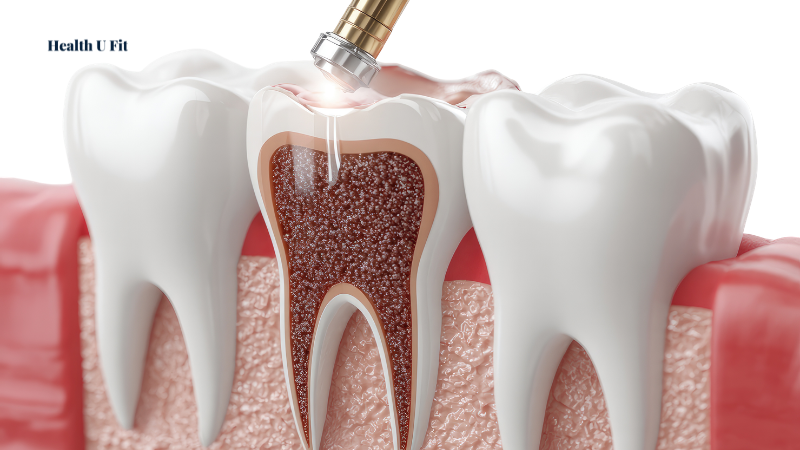
Silver fillings is also called dental amalgam, have been used by dentists for over 100 years to treat cavities and fix damaged teeth. They are made from a mix of metals like silver, tin, copper, and a small amount of mercury. The mercury helps hold all the materials together, making the filling strong and long-lasting. Because they are durable and affordable, silver fillings have been a common choice especially for back teeth that handle a lot of pressure while chewing.
Some concerns have been raised about their safety, mainly because they contain mercury. Since mercury can be harmful in large amounts, some people worry that small amounts released from fillings might affect health. This has led to ongoing research and discussions about their safety. Because of this, it is important for people to understand both the benefits and possible risks of silver fillings. Having the right information helps patients make better decisions about their dental care based on their needs and preferences.
Table of Contents
What Are Silver Fillings?
Silver fillings have remained a widely used option in dentistry primarily because of their exceptional strength, long-lasting durability and cost-effectiveness. For many decades, dentists have relied on them as a dependable solution for treating cavities especially in the back teeth where the pressure from chewing and grinding is the greatest. These fillings are designed to handle heavy daily use without wearing down or breaking easily, making them particularly suitable for areas of the mouth that experience constant stress.
Their strong and resilient nature allows them to maintain their structure over many years often lasting longer than some alternative materials. This makes them a practical and economical choice for patients who need a reliable restoration that can endure regular use. In addition to their durability, silver fillings are also relatively simple and quick for dentists to place. The application process is less time-consuming compared to some other types of fillings, which can make dental visits more efficient and convenient for both the patient and the dentist. Their combination of strength, longevity and ease of use has contributed to their continued popularity in dental care.
Why Are People Concerned?
The primary concern surrounding silver fillings comes from the presence of mercury. Mercury is known to be toxic in large quantities and this has led some people to question whether even small amounts released from fillings over time could be harmful. There is a concern that daily activities such as chewing or grinding teeth might release tiny amounts of mercury vapor, potentially leading to long-term exposure. These concerns have sparked ongoing discussions about the safety of dental amalgam.
What Does Research Say?
According to major health organizations including the World Health Organization, silver fillings are considered safe for most people. Research has shown that the amount of mercury released from these fillings is extremely low and typically not enough to cause health problems. Scientific studies over many years have supported the conclusion that dental amalgam remains a safe and effective option for cavity treatment in the general population. However, as a precaution, certain groups may be advised to limit or avoid the use of silver fillings. These groups can include pregnant women, young children, and individuals who may have a sensitivity or allergy to mercury. In such cases, dentists often recommend alternative materials.
Potential Risks
Although silver fillings are generally safe, they do come with some potential drawbacks. Small amounts of mercury vapor may be released, especially during chewing, though this is usually within safe limits. In rare cases, some individuals may experience allergic reactions to the materials used in the fillings. Additionally, the metallic appearance of silver fillings can be a concern for those who prefer a more natural-looking smile. Another factor to consider is that placing these fillings may require removing a slightly larger portion of the natural tooth compared to some modern alternatives.
Benefits of Silver Fillings
- High Durability – Silver fillings are very strong and can last 10–15 years or even longer with proper care.
- Excellent Strength – They can handle heavy chewing pressure, making them ideal for back teeth.
- Cost-Effective – Usually more affordable than other types of fillings like composite or ceramic.
- Long-Lasting Performance – Less likely to wear down or break compared to some alternatives.
- Quick and Easy Placement – Dentists can place them faster which reduces treatment time.
- Less Sensitive to Moisture – Can be applied even when the area is not completely dry, unlike some other fillings.
- Proven Track Record – Used safely and effectively in dentistry for over 100 years.
- Strong Bonding – Forms a tight seal that helps protect the tooth from further decay.
Alternatives to Silver Fillings
For those who prefer to avoid mercury or want a more natural appearance, there are several alternatives available. These include composite (tooth-colored) fillings, ceramic fillings, and gold fillings. Composite and ceramic options blend well with natural teeth and do not contain mercury, making them popular choices for visible areas. However, these alternatives can be more expensive and may not always offer the same level of durability as silver fillings, depending on the situation.
Should You Remove Existing Silver Fillings?
In most cases, dentists do not recommend removing existing silver fillings unless they are damaged, worn out, or causing problems. Removing them unnecessarily can actually increase exposure to mercury during the process. If you have concerns about your fillings, it is best to consult your dentist, who can evaluate your specific situation and recommend the safest course of action.
Conclusion
Silver fillings have a long history of safe and effective use in dentistry making them a trusted and reliable option for treating cavities. Over the years, millions of patients have benefited from their strength, durability and ability to restore damaged teeth, particularly in areas that experience heavy chewing pressure. Although silver fillings contain a small amount of mercury, research and guidance from major health organizations indicate that the amount released from the fillings is minimal and generally not enough to cause harm to most people. Some individuals may have specific concerns, sensitivities or medical conditions that make them prefer alternative filling materials such as composite, ceramic or gold fillings. These options can provide similar restorative benefits without containing mercury, and may be chosen for aesthetic reasons as well. Ultimately, the decision about whether to use silver fillings should be made in consultation with a qualified dental professional. By discussing your unique health needs lifestyle and personal preferences with your dentist, you can develop a treatment plan that provides effective cavity repair while giving you peace of mind about your overall oral and general health.
FAQs
What are silver fillings?
Silver fillings, also called dental amalgam, are a mixture of metals including silver, tin, copper, and a small amount of mercury. They are used to fill cavities and restore decayed teeth, especially in areas that experience strong chewing pressure.
Are silver fillings safe?
For most people, silver fillings are considered safe. The small amount of mercury present releases minimal vapor, which studies suggest is unlikely to cause harm. They have been used successfully in dentistry for over a century.
Who should avoid silver fillings?
Certain groups may be advised to limit or avoid silver fillings, including pregnant women, young children, and individuals with known mercury allergies or sensitivities. Your dentist can help assess your personal risk.
Do silver fillings affect overall health?
For the majority of people, silver fillings do not affect overall health. Research indicates that the tiny amount of mercury released is generally safe, but if you have specific concerns, it’s best to discuss options with your dentist.

