

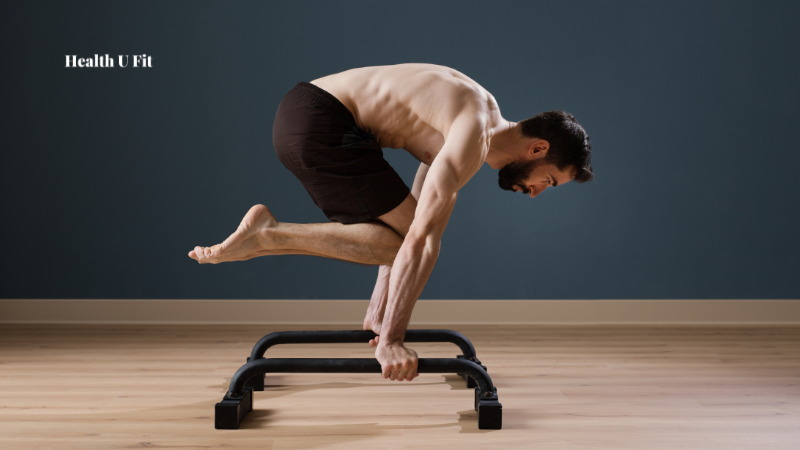
Calisthenics is a form of exercise that mainly uses body weight and requires little to no equipment. Common calisthenics exercises include pushups, squats, crunches, planks, burpees, pullups, lunges, chin-ups, jump rope, and dips. These exercises involve natural body movements that engage multiple muscle groups at the same time. Performing calisthenics regularly can help improve strength, flexibility, balance, endurance, and coordination.
Most exercises are done at a steady and controlled pace, making them suitable for people of different fitness levels. Calisthenics has roots in Ancient Greece and continues to be one of the most popular workout styles today because it is simple, effective, and accessible. Many exercises can be done at home, outdoors, or in the gym without expensive equipment.
Squats
- Stand with your feet shoulder-width apart.
- Bend your knees and push your hips backward as if sitting in a chair.
- Lower your body as far as comfortable.
- Push through your legs to return to a standing position.
- Keep your back straight and your head facing forward throughout the movement.
- Avoid letting your knees extend beyond your toes to reduce strain on the knee joints.
Pushups
- Begin in a face-down position on the floor.
- Place your hands slightly wider than shoulder-width apart.
- Extend your legs backward with your toes touching the floor.
- Tighten your core muscles to keep the body straight.
- Push the floor away to lift your body upward.
- Slowly lower yourself until your chest nearly touches the ground.
- Keep the elbows close to the body rather than flaring outward.
- Beginners can perform knee pushups for an easier variation.
Crunches
- Lie flat on your back with your feet on the floor and knees bent.
- Cross your hands over your chest.
- Tighten the abdominal muscles and lift your upper body toward the knees.
- Pause briefly at the top of the movement.
- Slowly return to the starting position.
- Keep your neck and head relaxed while performing the exercise.
Plank
- Start in a pushup position with your forearms resting on the floor.
- Engage the core muscles to maintain a straight body line.
- Hold the position as long as possible without allowing the hips to sag.
- Keep your breathing steady throughout the exercise.
Burpees
- Stand with your feet shoulder-width apart.
- Lower into a squat position and place your hands on the floor.
- Jump your feet backward into a pushup position.
- Perform a pushup by lowering your chest to the floor.
- Jump your feet forward toward your hands.
- Explode upward into a jump with your arms raised overhead.
- Return to the starting position and repeat.
Lunges
- Stand upright with your feet together.
- Step one foot forward and bend the front knee at a 90-degree angle.
- Lower the back knee until it nearly touches the floor.
- Push through the heel of the front foot to return to standing.
- Bring your feet together and repeat on the opposite side.
Pullups
- Stand facing the pullup bar.
- Grip the bar with palms facing away from you.
- Place your hands shoulder-width apart or wider.
- Pull your body upward until your head rises above the bar.
- Slowly lower yourself back down with control.
- Use your back, shoulders, and arm muscles during the movement.
Chin-Ups
- Stand below the pullup bar.
- Grip the bar with palms facing toward you.
- Keep your hands at shoulder-width distance.
- Pull your body upward until your chin clears the bar.
- Lower yourself slowly back to the starting position.
- Chin-ups place more emphasis on the bicep muscles.
Jump Rope
- Hold the rope handles firmly in both hands.
- Keep your arms close to your body.
- Rotate the rope using your wrists.
- Jump lightly as the rope passes under your feet.
- Keep a slight bend in your knees to reduce pressure on the joints.
- Stay on the balls of your feet for smoother movement.
Dips
- Stand between the dip bars and grip each side firmly.
- Support your body weight with straight arms.
- Bend your elbows and slowly lower your body downward.
- Push back upward using your triceps and chest muscles.
- Repeat the movement in a controlled manner.
Tips for Beginners
Get a Health Checkup – People who are new to exercise or returning after a long break may benefit from speaking with a healthcare professional before starting a workout routine. This can help determine the right level of intensity and reduce the risk of injury.
Set Realistic Goals – Setting clear and achievable goals can improve motivation and help track progress over time. Keeping a workout journal or calendar can also help maintain consistency.
Start Slowly – Beginners should begin with simple exercises and fewer repetitions before gradually increasing intensity. Building strength slowly can help prevent injuries and avoid feeling overwhelmed.
Focus on Proper Form – Correct technique is more important than speed or repetition count. Good form helps target the right muscles and lowers the chance of strain or injury.
Stay Consistent – Consistency is one of the most important parts of calisthenics training. Regular practice helps improve endurance, flexibility, and overall fitness over time.

