

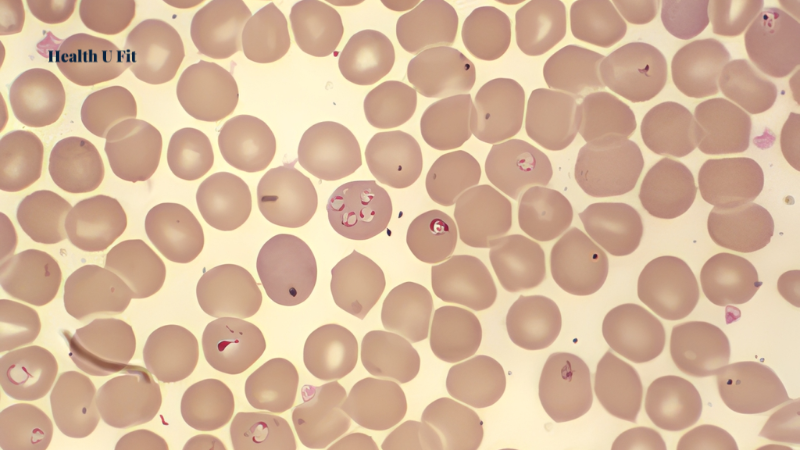
Babesiosis is a tick-borne infectious disease caused by microscopic parasites that infect red blood cells. Although it is not as widely known as malaria or Lyme disease, babesiosis has become increasingly important in public health discussions, especially in certain regions where tick populations are growing. The disease can range from mild to severe, and in some cases, it can even become life-threatening, particularly in older adults or individuals with weakened immune systems. Understanding how babesiosis spreads, how it affects the body, and how it can be prevented is essential for reducing its impact.
Table of Contents
Babesiosis
Babesiosis is caused by parasites from the genus Babesia. These parasites infect red blood cells, similar to the malaria parasite, and are usually transmitted through the bite of infected ticks. In the United States, the most common species responsible is Babesia microti. In Europe and other parts of the world, different species such as Babesia divergens and Babesia venatorum may be involved.
Once inside the human body, the parasite multiplies within red blood cells, eventually causing them to rupture. This leads to a reduction in oxygen-carrying capacity and triggers a range of symptoms.
How Babesiosis Spreads
The primary way babesiosis spreads is through the bite of infected blacklegged ticks (also known as deer ticks). These ticks often become infected after feeding on animals such as mice or deer that carry the parasite.
Main transmission routes include:
- Tick bites (most common)
- Blood transfusion (rare but possible)
- Mother-to-child transmission during pregnancy or childbirth (very rare cases reported)
Unlike some other infections, babesiosis does not spread directly from person to person through casual contact.
Risk Factors for Babesiosis
Certain groups of people are more likely to contract babesiosis or experience severe symptoms:
- People living or traveling in tick-endemic areas (such as parts of the northeastern and upper midwestern United States)
- Older adults, especially those over 50
- Individuals with weakened immune systems (such as cancer patients or those without a spleen)
- People with other serious medical conditions
Symptoms of Babesiosis
The symptoms of babesiosis can vary widely. Some people may not show any symptoms at all, while others may become seriously ill.
Common symptoms include:
- Fever and chills
- Fatigue and weakness
- Sweating
- Headache
- Muscle and joint pain
- Loss of appetite
In severe cases:
- Shortness of breath
- Dark urine (due to red blood cell breakdown)
- Severe anemia
- Low blood pressure
- Organ failure
Symptoms usually appear 1 to 4 weeks after a tick bite, but in some cases, they may take longer to develop.
How Babesiosis Affects the Body
Once the parasite enters the bloodstream, it invades red blood cells. These cells are responsible for carrying oxygen throughout the body. As the infection progresses:
- Red blood cells are destroyed faster than the body can replace them
- Oxygen delivery to tissues decreases
- The liver and spleen work harder to remove damaged cells
- Anemia develops, leading to fatigue and weakness
In severe infections, complications can include kidney failure, respiratory distress, and even death if not treated promptly.
Diagnosis of Babesiosis
Diagnosing babesiosis requires laboratory testing because its symptoms often resemble those of other illnesses such as malaria or influenza.
Common diagnostic methods include:
- Blood smear microscopy: Doctors examine a blood sample under a microscope to look for Babesia parasites inside red blood cells.
- PCR (Polymerase Chain Reaction) test: Detects genetic material of the parasite and is highly accurate.
- Antibody tests: Identify immune response to the infection, though they may not detect early cases.
Early and accurate diagnosis is important for effective treatment.
Treatment of Babesiosis
Babesiosis is treatable, especially when detected early. The choice of treatment depends on the severity of the infection.
Common treatment options include:
- Atovaquone plus azithromycin: The most commonly used combination for mild to moderate cases
- Clindamycin plus quinine: Used in more severe infections
In severe cases, additional treatments may be needed, such as:
- Blood transfusions (to replace destroyed red blood cells)
- Hospitalization for monitoring and supportive care
Most patients improve within a few days to weeks of starting treatment, although recovery may take longer in severe cases.
Possible Complications
If untreated, babesiosis can lead to serious health problems, including:
- Severe hemolytic anemia
- Kidney or liver failure
- Respiratory distress syndrome
- Enlarged spleen
- Death (rare but possible in high-risk individuals)
People without a spleen are especially vulnerable because the spleen plays a key role in removing infected red blood cells.
Prevention of Babesiosis
Preventing babesiosis mainly involves avoiding tick bites and reducing exposure to tick habitats.
Key prevention strategies include:
- Wearing long sleeves and long pants in wooded or grassy areas
- Using insect repellents containing DEET or permethrin
- Checking the body for ticks after outdoor activities
- Showering soon after being outdoors
- Removing attached ticks quickly and properly
- Keeping lawns trimmed and reducing tick habitats around homes
In areas where babesiosis is common, awareness and early tick removal are especially important.
Babesiosis and Blood Safety
Because babesiosis can be transmitted through blood transfusions, some regions have introduced screening programs for donated blood. This helps reduce the risk of transmission in hospitals and medical settings.
Global Distribution and Rising Concerns
Babesiosis is most commonly found in:
- Northeastern United States (such as New York, Massachusetts, and Connecticut)
- Upper Midwest (such as Wisconsin and Minnesota)
- Parts of Europe
Some regions of Asia and Australia
Climate change and expanding tick habitats have contributed to a rise in cases in recent years. Warmer temperatures allow ticks to survive in areas where they were previously uncommon.
Babesiosis vs. Malaria
Babesiosis is often compared to malaria because both infect red blood cells. However, there are key differences:
- Babesiosis is transmitted by ticks, while malaria is transmitted by mosquitoes
- Different parasites cause each disease (Babesia vs. Plasmodium)
- Treatment and geographic distribution differ
Despite similarities, they are separate diseases with different prevention strategies.
Conclusion
Babesiosis is a serious but treatable tick-borne disease that affects red blood cells and can cause a wide range of symptoms, from mild discomfort to severe, life-threatening illness. Early diagnosis and prompt treatment are key to recovery. As tick populations expand due to environmental changes, awareness of babesiosis is becoming increasingly important. Preventive measures such as avoiding tick bites, using repellents, and checking for ticks after outdoor activities remain the most effective ways to reduce risk. With proper knowledge and precautions, babesiosis can be effectively managed and prevented, helping protect individuals and communities from this emerging infectious disease.

