

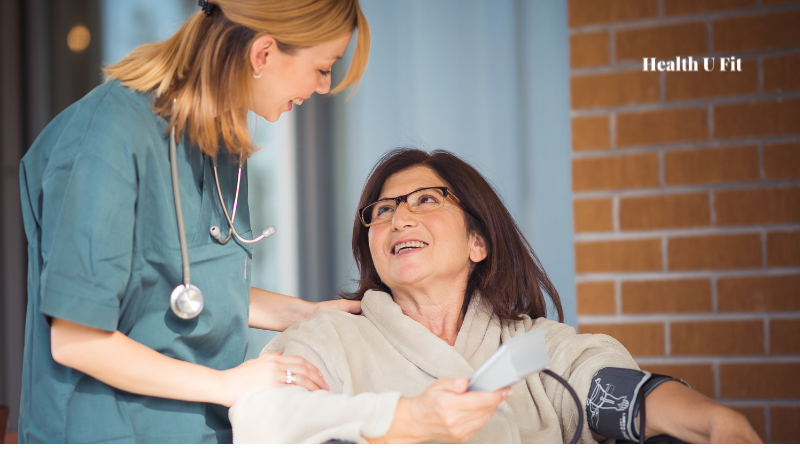
Women’s health is a broad and essential field that focuses on the complete well-being of women, including their physical, mental and emotional health at every stage of life. From adolescence, when the body begins to undergo major hormonal and developmental changes, to adulthood when reproductive and lifestyle-related health needs become more prominent and later into older age, when menopause and age-related conditions may arise, women experience a wide range of biological transitions that require careful attention and appropriate medical support. These changes are often unique to women and can influence overall health in different ways compared to men, making specialized care, early awareness and regular health monitoring extremely important.
Understanding women’s health goes beyond simply treating illness; it is about prevention, education and encouraging healthier daily habits that support long-term well-being. It involves recognizing the importance of reproductive health, hormonal balance, nutrition, mental wellness and lifestyle choices that collectively shape a woman’s quality of life. When these factors are understood and managed properly, they not only help in preventing diseases but also contribute to improved energy levels, emotional stability and overall life satisfaction.
Table of Contents
Understanding Women’s Health
Women’s health is not limited to reproductive health alone; it includes a wide range of medical, psychological and social factors. While certain conditions affect both men and women many diseases and health issues present differently in women. Hormonal changes, genetic factors and lifestyle choices all play a role in shaping a woman’s overall health.
One key aspect of women’s health is the influence of hormones such as estrogen and progesterone. These hormones regulate menstrual cycles, fertility, pregnancy and even mood. Changes in hormone levels can affect energy, emotional stability and physical health making it essential for women to understand their bodies and seek appropriate care when needed.
Reproductive Health and Wellness
Reproductive health is a central component of women’s health. It includes menstruation, fertility, pregnancy and menopause. Conditions such as Polycystic Ovary Syndrome (PCOS) and Endometriosis are common among women and can affect fertility and overall well-being. Early diagnosis and proper treatment are crucial in managing these conditions effectively.
Regular gynecological check-ups including Pap smears and breast examinations, are important for early detection of potential health issues. Preventive care plays a major role in reducing risks associated with reproductive health problems. Education and awareness also empower women to make informed decisions about their bodies and health.
Mental Health and Emotional Well-Being
Mental health is an equally important aspect of women’s health. Women are more likely to experience conditions such as Depression and Anxiety Disorder due to a combination of biological, social and psychological factors. Hormonal fluctuations, life transitions and societal pressures can contribute to emotional challenges.
Maintaining mental well-being involves stress management, emotional support and self-care practices. Activities such as mindfulness, meditation and regular exercise can help improve mental health. Seeking professional help when needed is also crucial as early intervention can prevent more serious complications.
Nutrition and Diet
A balanced diet is essential for maintaining good health. Women have specific nutritional needs that change over time. For example, iron is important during menstruation while calcium and vitamin D are crucial for bone health especially as women age.
Eating a diet rich in fruits, vegetables, whole grains, lean proteins and healthy fats supports overall well-being. Proper nutrition helps in maintaining energy levels, supporting immune function and preventing chronic diseases. Hydration is equally important, as it aids digestion and keeps the body functioning efficiently.
Physical Fitness and Active Lifestyle
Regular physical activity is a cornerstone of women’s health. Exercise helps maintain a healthy weight, improves cardiovascular health, strengthens muscles and bones and boosts mental well-being. Activities such as walking, yoga, strength training and aerobic exercises can be easily incorporated into daily routines.
Exercise also plays a significant role in preventing conditions such as Heart Disease which is one of the leading causes of death among women worldwide. Staying active not only improves physical health but also enhances mood and reduces stress.
Preventive Healthcare and Screenings
Preventive healthcare is essential for early detection and treatment of diseases. Regular screenings such as mammograms, blood pressure checks and cholesterol tests help identify potential health risks before they become serious. Vaccinations and routine health check-ups also play a key role in maintaining long-term health.
Women should work closely with healthcare providers to develop personalized health plans based on their age, lifestyle and medical history. Early detection often leads to better treatment outcomes and improved quality of life.
Hormonal Changes and Life Stages
Women go through several life stages, each with its own set of health considerations. Adolescence marks the beginning of menstruation and hormonal changes. During the reproductive years, women may experience pregnancy and childbirth. Later in life, menopause brings a decline in hormone levels leading to symptoms such as hot flashes, mood changes and bone density loss.
Understanding these transitions helps women prepare for and manage the changes effectively. Proper medical guidance and lifestyle adjustments can ease the impact of hormonal shifts and improve overall well-being.
Chronic Diseases and Risk Factors
Women are at risk of various chronic diseases including Breast Cancer, Diabetes, and osteoporosis. Risk factors such as genetics, lifestyle and environmental influences play a role in the development of these conditions.
Adopting a healthy lifestyle including regular exercise, a balanced diet, and avoiding harmful habits like smoking, can significantly reduce the risk of chronic diseases. Awareness and education are key to prevention and early intervention.
Role of Sleep and Rest
Sleep is often overlooked but is essential for overall health. Women may experience sleep disturbances due to hormonal changes, stress or lifestyle factors. Poor sleep can affect physical health, mental well-being, and daily performance.
Establishing a regular sleep routine, creating a comfortable sleep environment, and managing stress can improve sleep quality. Adequate rest allows the body to recover and function optimally.
Social and Environmental Factors
Women’s health is also influenced by social and environmental factors such as access to healthcare, education and economic stability. Cultural norms and societal expectations can impact health behaviors and access to resources.
Improving women’s health requires a holistic approach that addresses these broader factors. Empowering women through education and access to healthcare services is essential for achieving better health outcomes.
Technology and Women’s Health
Advancements in technology have significantly improved women’s healthcare. Digital health tools, mobile apps and telemedicine services provide easier access to information and medical support. Women can now track their menstrual cycles, monitor fitness levels and consult healthcare professionals remotely.
These innovations make healthcare more accessible and personalized helping women take control of their health in a more informed and convenient way.
Empowerment Through Awareness
Education and awareness are powerful tools in improving women’s health. When women understand their bodies and health needs, they are better equipped to make informed decisions. Awareness campaigns, community programs and access to reliable information play a crucial role in promoting healthy behaviors.
Empowerment also involves breaking stigmas around topics such as menstruation, mental health and reproductive issues. Open conversations help create a supportive environment where women can seek help without hesitation.
Conclusion
Women’s health is a vital aspect of overall well-being that requires attention, awareness and proactive care. From physical fitness and nutrition to mental health and preventive care every aspect plays a role in maintaining a healthy life. By understanding their unique health needs and making informed choices, women can lead healthier more fulfilling lives. Investing in women’s health is not just about individual well-being it is about building stronger families and communities. With the right knowledge, support and resources, women can take charge of their health and create a positive impact on society as a whole.

