

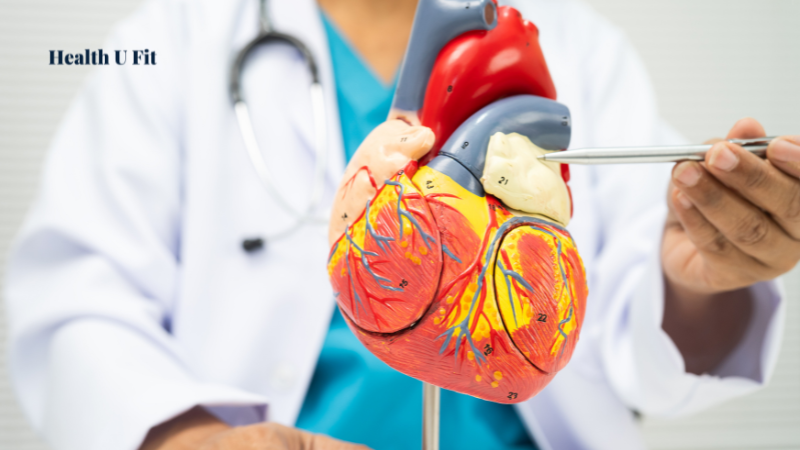
Cardiovascular diseases (CVDs) are a group of disorders that affect the heart and blood vessels, and they remain one of the leading causes of death worldwide. These conditions can develop gradually over time or appear suddenly, often with life-threatening consequences. Understanding cardiovascular diseases is essential not only for treatment but also for prevention as many of the risk factors are closely linked to lifestyle choices and environmental influences.
Table of Contents
What Are Cardiovascular Diseases?
Cardiovascular diseases refer to a broad category of medical conditions involving the heart and circulatory system. These include coronary artery disease, heart attacks, strokes, heart failure, and arrhythmias. The most common underlying issue in many of these conditions is a process called Atherosclerosis, where fatty deposits (plaques) build up inside the arteries, restricting blood flow.
When blood flow to the heart or brain is blocked, it can result in severe events such as Heart Attack or Stroke. These events often occur suddenly but are typically the result of long-term damage to the cardiovascular system.
Types of Cardiovascular Diseases
There are several major types of cardiovascular diseases each affecting different parts of the heart or blood vessels:
- Coronary Artery Disease (CAD): The most common type, caused by plaque buildup in the arteries supplying the heart.
- Heart Failure: A condition where the heart cannot pump blood effectively to meet the body’s needs.
- Arrhythmias: Irregular heartbeats that can be too fast, too slow or erratic.
- Peripheral Artery Disease (PAD): Narrowing of arteries in the limbs, often causing pain during movement.
- Congenital Heart Disease: Structural heart defects present at birth.
Each of these conditions may vary in severity, but all can significantly impact quality of life and overall health.
Causes and Risk Factors
Cardiovascular diseases are influenced by a combination of genetic, environmental, and lifestyle factors. Some of the most common causes and risk factors include:
- Unhealthy Diet: High intake of saturated fats, salt, and sugar can lead to plaque buildup.
- Physical Inactivity: Lack of exercise weakens the heart and contributes to obesity.
- Smoking: Damages blood vessels and increases blood pressure.
- Excessive Alcohol Consumption: Can raise blood pressure and contribute to heart disease.
- Obesity: Strongly linked to high cholesterol, hypertension, and diabetes.
- Chronic Conditions: Diseases like Hypertension and Diabetes significantly increase the risk of cardiovascular complications.
In addition to these, factors such as age, family history, and stress levels also play a crucial role.
Symptoms of Cardiovascular Diseases
The symptoms of cardiovascular diseases can vary widely depending on the specific condition. However, some common warning signs include:
- Chest pain or discomfort (angina)
- Shortness of breath
- Fatigue or weakness
- Palpitations (irregular heartbeat)
- Swelling in the legs, ankles or feet
- Dizziness or fainting
In severe cases, symptoms may appear suddenly, such as during a heart attack or stroke, requiring immediate medical attention.
Diagnosis and Medical Evaluation
Diagnosing cardiovascular diseases typically involves a combination of physical examinations, medical history reviews and diagnostic tests. Common tests include:
- Electrocardiogram (ECG) to measure heart activity
- Echocardiogram to visualize heart structure and function
- Blood tests to check cholesterol and sugar levels
- Stress tests to evaluate heart performance under exertion
- Imaging tests such as CT scans or angiography
Early detection plays a crucial role in preventing complications and improving treatment outcomes.
Treatment Options
Treatment for cardiovascular diseases depends on the type and severity of the condition. It often involves a combination of lifestyle changes, medications and medical procedures.
- Lifestyle Modifications
- Adopting a balanced diet rich in fruits, vegetables and whole grains
- Regular physical activity
- Quitting smoking
- Managing stress effectively
- Medications
Doctors may prescribe medications to control blood pressure, cholesterol levels, and blood clotting. Common medications include statins, beta-blockers, and anticoagulants.
Medical Procedures and Surgeries
In more severe cases, medical interventions may be required, such as:
- Angioplasty and stent placement to open blocked arteries
- Coronary artery bypass surgery
- Pacemaker or implantable defibrillator for arrhythmias
These treatments aim to restore normal blood flow and improve heart function.
Prevention Strategies
Preventing cardiovascular diseases is often more effective than treating them. Key preventive measures include:
- Maintaining a healthy weight
- Eating a heart-friendly diet
- Exercising regularly (at least 150 minutes per week)
- Monitoring blood pressure and cholesterol levels
- Managing stress and mental health
- Avoiding tobacco use
Public health initiatives and awareness campaigns also play a vital role in reducing the global burden of cardiovascular diseases.
Global Impact of Cardiovascular Diseases
Cardiovascular diseases pose a significant challenge to global health systems. According to the World Health Organization, millions of people die each year due to CVDs with a large proportion of these deaths occurring in low- and middle-income countries. Limited access to healthcare, lack of awareness, and delayed diagnosis contribute to the high mortality rates.
Role of Technology and Innovation
Advancements in medical technology have greatly improved the diagnosis and treatment of cardiovascular diseases. Wearable devices, telemedicine and AI-powered diagnostics are helping individuals monitor their heart health more effectively. Innovations in surgical techniques and drug development continue to enhance survival rates and quality of life for patients.
Conclusion
Cardiovascular diseases remain a major health concern worldwide, but they are largely preventable with the right lifestyle choices and early intervention. By understanding the causes, recognizing the symptoms, and adopting preventive measures, individuals can significantly reduce their risk. Continued advancements in medicine and increased public awareness offer hope for a future where the burden of cardiovascular diseases is significantly reduced.

