

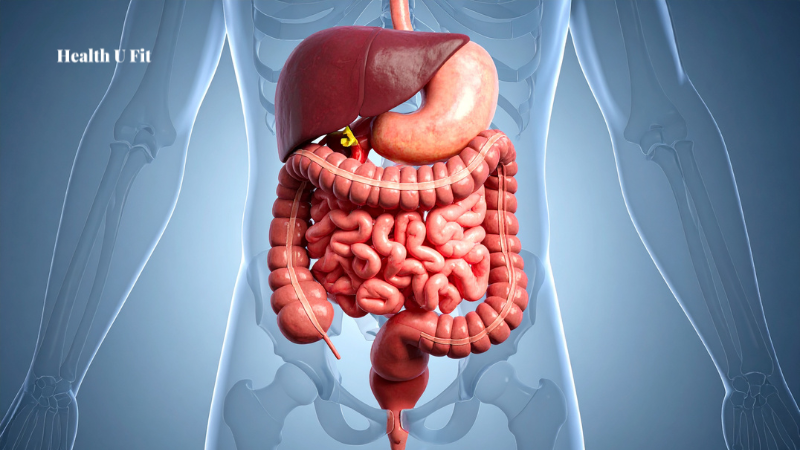
Bad breath, medically known as Halitosis, is a common and often embarrassing issue that affects millions of people worldwide. While most people associate bad breath with poor oral hygiene such as not brushing or flossing properly the truth is that the causes can go much deeper. One increasingly discussed factor is gut health. In recent years, growing research and awareness around the Gut Microbiome has raised an important question: can bad gut health actually cause bad breath? The answer is yes under certain conditions, your digestive system can significantly influence how your breath smells.
Table of Contents
Understanding Gut Health and Its Role
Gut health refers to the balance and function of microorganisms living in your digestive tract, primarily in the intestines. These microorganisms bacteria, fungi, and other microbes play a vital role in digestion, immunity, and overall well-being. When this balance is disturbed, a condition known as Gut Dysbiosis can occur. This imbalance can lead to a range of health issues, including digestive discomfort, inflammation, and, in some cases, unpleasant breath.
When harmful bacteria outnumber beneficial ones, they can produce gases and toxins during digestion. Some of these compounds, such as sulfur-containing gases, can enter the bloodstream and eventually be released through the lungs, causing bad breath that doesn’t originate from the mouth itself.
How Gut Problems Can Lead to Bad Breath
There are several ways in which poor gut health can contribute to Halitosis:
- Acid Reflux and GERD – Conditions like Gastroesophageal Reflux Disease (GERD) can cause stomach acids and partially digested food to move back up into the esophagus. This not only creates a sour taste but can also produce a foul odor that affects breath.
- Bacterial Imbalance – An unhealthy gut may harbor bacteria that produce strong-smelling gases such as hydrogen sulfide. These gases can be absorbed into the bloodstream and expelled through breathing, leading to persistent bad breath.
- Poor Digestion – When food is not properly digested, it can ferment in the gut. This fermentation process produces gases that may contribute to bloating and unpleasant breath.
- Constipation – Chronic constipation can cause waste to remain in the body longer than normal. This can lead to toxin buildup and, in some cases, bad breath as these toxins affect the digestive system.
- Infections in the Gut – Certain infections, such as Helicobacter pylori infection, are linked to both digestive issues and bad breath. This bacterium can disrupt the stomach lining and contribute to odor-producing compounds.
Signs Your Bad Breath May Be Gut-Related
Not all bad breath comes from the gut, but some signs may indicate a deeper issue:
- Persistent bad breath even after brushing and using mouthwash
- Frequent bloating, gas, or stomach discomfort
- Acid reflux or heartburn
- Irregular bowel movements
- A bitter or sour taste in the mouth
If these symptoms occur together, it may suggest that the root cause lies beyond oral hygiene.
How to Improve Gut Health and Freshen Breath
Improving gut health can often help reduce bad breath caused by internal issues. Here are some practical steps:
- Eat a Balanced Diet – Include fiber-rich foods, fruits, vegetables and whole grains to support healthy digestion. Fermented foods like yogurt and kefir can help maintain a healthy gut microbiome.
- Stay Hydrated – Drinking enough water helps digestion and prevents dryness, which can worsen bad breath.
- Use Probiotics – Probiotics can help restore the balance of good bacteria in the gut, reducing the production of odor-causing compounds.
- Avoid Trigger Foods – Spicy, fatty, and highly processed foods can worsen gut issues like acid reflux and should be limited.
- Maintain Oral Hygiene – Even if the root cause is gut-related, brushing, flossing, and cleaning the tongue are still essential.
- Seek Medical Advice – If bad breath persists, it’s important to consult a healthcare professional to check for underlying digestive conditions.
Conclusion
Bad gut health can indeed be a hidden cause of Halitosis, especially when the issue persists despite good oral hygiene. The connection between the digestive system and breath lies in the complex workings of the Gut Microbiome and how it affects digestion, gas production, and overall health. Conditions such as Gastroesophageal Reflux Disease, bacterial imbalances, and infections like Helicobacter pylori infection can all contribute to unpleasant breath. Understanding this link highlights the importance of looking beyond the mouth when dealing with chronic bad breath. By improving gut health through diet, lifestyle changes, and proper medical care, individuals can not only enhance their digestive health but also enjoy fresher breath and better overall well-being.

