

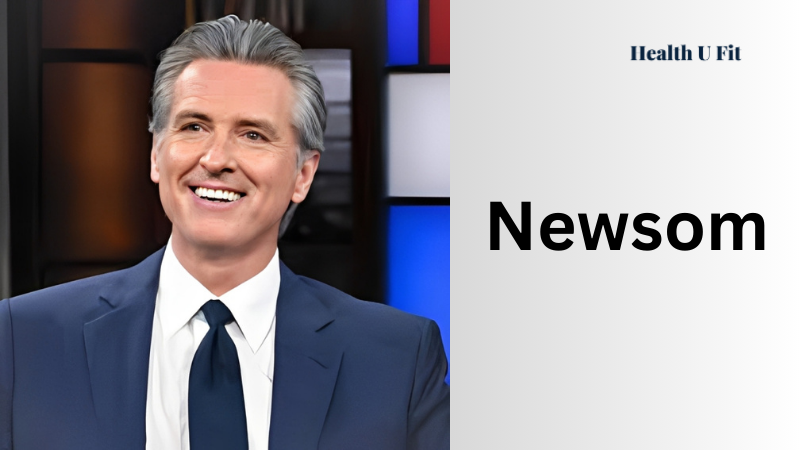
Gavin Newsom, the governor of California, announced that his office will allocate an additional $1.18 billion in the next round of the Bond Behavioral Health Continuum Infrastructure Program. The funding will support the development of behavioral health facilities in rural and tribal communities.
The money comes from a $6.4 billion bond approved by California voters in 2024, when they narrowly passed California Proposition 1 (2024) to generate new funding for mental health services.
Read Also – One-third of Americans cut everyday expenses to pay for healthcare in 2025, survey finds
With the first round of funding, the state created over 6,900 residential treatment beds and 27,000 outpatient slots within the first two years of distribution, Newsom said during a press conference on March 11. The funds supported the creation of 177 projects across 333 facilities in the state; in turn, California has seen a 9% decline in unsheltered homelessness, the first drop in 15 years, Newsom said.
“Proposition 1 is doing exactly what we promised it would do: transforming California’s behavioral health system. In just two years, we didn’t just meet our goal of creating 6,800 treatment beds; we exceeded it,” Newsom said. “That means we’re finally closing the gap that’s left too many communities without the care they need.”
During a press conference, Gavin Newsom said that within the first two years, 36 facilities have already opened and are expected to serve nearly one million people each year in California.
He added that the additional $1 billion represents the final round of funding and will support 66 more projects across 130 behavioral health facilities. These projects are expected to create over 2,500 treatment beds and 4,200 outpatient care slots. Newsom emphasized that this funding round will prioritize regions in California that are “significantly under-resourced” and have often been overlooked.
A few of the projects highlighted in this final round of funding included:
- A $12 million grant to establish California’s first Tribal Peer Respite with the Yurok Tribe, offering community-based support for people experiencing behavioral health crises;
- A $4.4 million grant to develop a residential substance use disorder treatment facility in Glenn County;
An additional $38 million grant to complete the second phase of the San Joaquin County Behavioral Health Services – BeWell Campus, which is expected to create a 52-bed social rehabilitation facility designed to serve six counties in the Northern San Joaquin Valley.
Genevieve Valentine, director of health care services in San Joaquin County, said the second round of funding will help address the region’s homeless population by providing local leaders with the tools and resources needed to intervene and deliver support services.
“This (BeWell) campus represents a bold, comprehensive vision of what behavioral health can and should be — accessible, coordinated, compassionate, holistic and built with a whole continuum in mind,” Valentine said during the press conference.
“We know that untreated mental health and substance abuse disorders are driving our region’s homelessness,” Valentine added. “Too many of our neighbors are cycling from streets to emergency rooms, to jails. Not because they choose to or want to.”
According to a press release on the second round of funding, the state will support eight projects in smaller counties that had not previously received awards. These include $44.8 million for Del Norte County, $11.6 million for Inyo County, $24.7 million for Shasta County, $23.7 million for Siskiyou County, $6.6 million for Sutter County, $3.5 million for Trinity County, and $9.7 million for Yuba County.
Last week, Gavin Newsom pointed to several counties that were successfully using funding from California Proposition 1 (2024) to implement the state’s CARE Court program. However, during the same press conference, he also expressed frustration with some cities and counties that he felt were not meeting the goals tied to those funds.
“We are highlighting those cities and counties that are succeeding across a spectrum, meaning delivering on what we are promoting here at the state level, and those who are falling behind,” Newsom said. “We’re not interested in funding failure anymore. The state, again, has done too much and now it is time to deliver at the local level.”

